
1. Causes of Bending Cracking in Stamped Parts
1. Poor plasticity of the steel used, including low elongation, uneven grain size, the continuous appearance of harmful Widmanstätten structure, cold bending performance that does not meet technical standards, and various surface quality issues, can all lead to reduced plasticity and result in bending cracking.
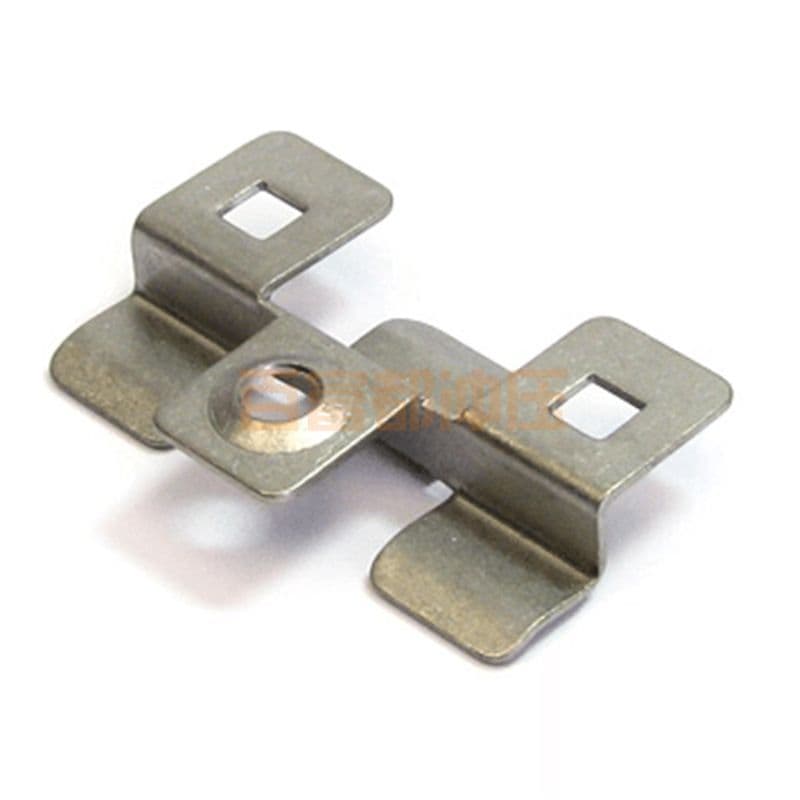
2. When the angle between the bending line and the rolling direction of the sheet does not conform to the nesting specifications, the angle between the bending line and the rolling direction of the sheet material does not meet the process requirements.
3. The bending radius is too small, causing the deformation of the outer layer metal during bending to exceed its deformation limit.
4. Poor quality of the blank shearing and blanking cross-sections, such as large burrs or cracks on the sheet at the bending area.
5. Severe deviation in material thickness dimensions can cause difficulty in feeding and cracking.
6. Factors such as worn die corner radius or insufficient clearance, scratches on the die surface, or improper design structure can lead to high feeding resistance, making stamped parts prone to cracking.
7. Poor pickling quality, or improper implementation of the steel pickling process, can cause over-pickling or hydrogen embrittlement, resulting in reduced plasticity and cracking.
8. Insufficient lubrication increases friction, which can easily lead to cracking.
II. Solutions for Bending Cracks in Stamped Parts
1. Improve the condition of the steel plate, mainly including selecting steel with good plasticity (such as good cold bending performance), locally annealing areas with large deformation, and improving the quality of the sheared blank cross-section.
2. Improve the technical condition of the working parts of the die, reduce the surface roughness of the punch and die working surfaces, and adjust the clearance to a reasonable value.
3. Develop the correct process plan and select an appropriate process scheme so that the steel has low flow resistance and is easy to deform during the bending process.
4. Improve the manufacturability of the product structure, select a reasonable fillet radius, and add process notches at local bending areas to avoid root fracture.
5. Improve lubrication conditions, apply reasonable lubrication, use lubricants with good lubrication performance, and reduce the resistance of steel flow during the bending process.
I. Causes of Bending Cracks in Stamped Parts
1. Poor plasticity of the steel used, including low elongation, uneven grain size distribution, the recurring presence of harmful Widmanstätten structure, cold bending performance that fails to meet technical standards, and various surface quality issues, can all lead to reduced plasticity and result in bending cracks.
2. When the angle between the bending line and the rolling direction of the sheet does not conform to the layout specifications, the angle between the bending line and the rolling direction of the sheet in the bending process fails to meet the process requirements.
3. The bending radius is too small, causing the deformation of the outer metal layer during bending to exceed the deformation limit.
4. Poor quality of the blank shearing and blanking cross-sections, such as significant burrs or cracks on the sheet at the bending area.
5. Severe deviation in material thickness dimensions can cause difficulties in feeding and cracking.
6. Factors such as worn die corner radius or excessively small clearance, scoring on the die surface, or improper design structure result in high feeding resistance, making stamped parts prone to cracking.
7. Poor pickling quality, or improper implementation of the steel pickling process, can cause over-pickling or hydrogen embrittlement, leading to reduced plasticity and cracking.
8. Insufficient lubrication and high friction can easily cause cracks.
2. Solutions for Bending Cracking in Stamped Parts
1. Improve the steel plate conditions, mainly including selecting steel with good plasticity (such as steel with good cold bending performance), locally annealing areas with large deformation, and improving the quality of the sheared blank cross-section.
2. Improve the technical condition of the working parts of the die, reduce the surface roughness of the punch and die working surfaces, and adjust the clearance to a reasonable level.
3. Develop the correct process plan and select an appropriate process scheme to minimize flow resistance and facilitate deformation of the steel during the bending process.
4. Improve the manufacturability of the product structure, select a reasonable fillet radius, and add process notches at local bending areas to avoid root cracking.
5. Improve lubrication conditions, apply proper lubrication, and use lubricants with good lubrication performance to reduce the resistance of steel flow during the bending process.