Sheet Metal Fabrication Services
Metal Assembly and Subassembly for Production-Ready Modules
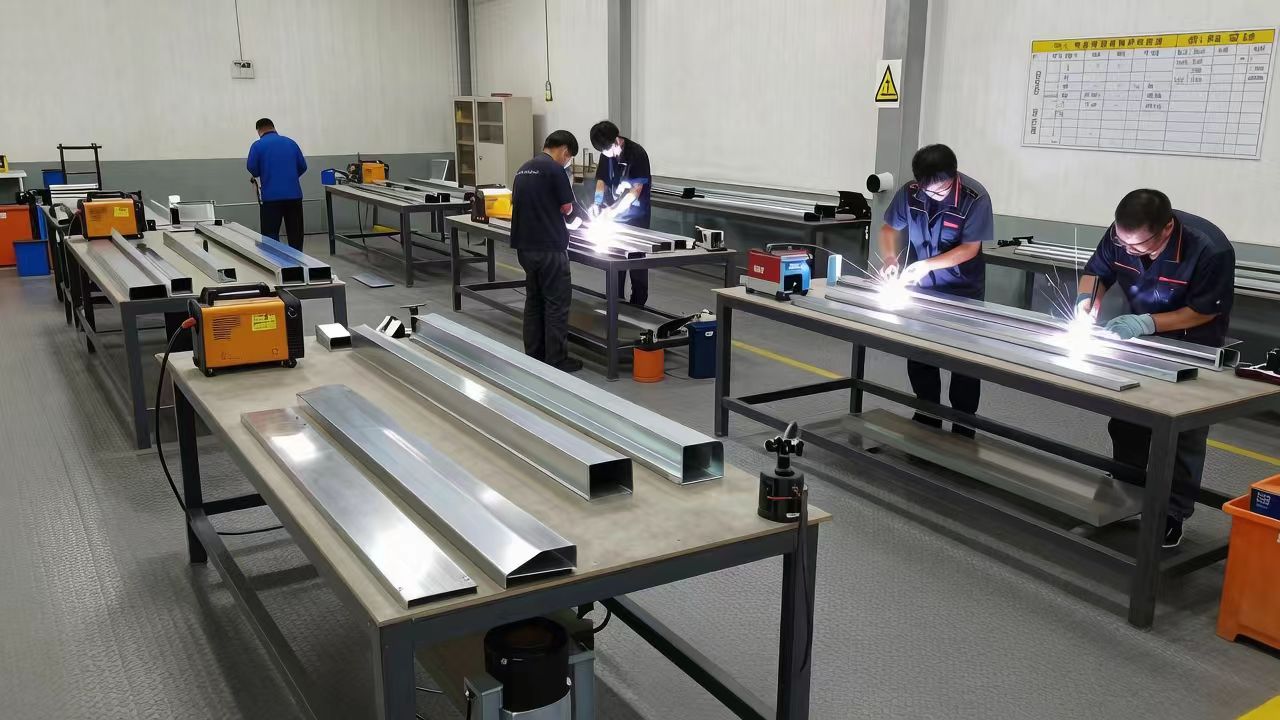
Assembly of stamped, machined and fabricated components into production-ready modules — with controlled fit-up and documented inspection.
Direct answer: Metal assembly and subassembly services at Balford combine stamped and fabricated components into production-ready modules, verifying critical dimensions and fit against your print. We review the bill of materials, joining method, inspection points and packaging before quoting.
Core Capability: Assembly & Subassembly
Component joining
Riveting, clinching, press-fit, threaded inserts and welding coordination.
Fit verification
Critical dimensions and fit checked against the assembly drawing.
Production modules
Subassemblies built in controlled sequences for repeat production.
Kitting & packaging
Protective packing and export-ready kitting planned with the project.
Assembly DFM Review
Joining method
Riveting, clinching, press-fit, inserts or welding coordination chosen for function and volume.
Fit and tolerances
Clearance and interference reviewed so components assemble without rework.
Orientation and access
Assembly sequence planned for tool access, orientation and inspection.
Inspection gates
First-article and in-process checks defined per the control plan.
Materials and Components
Stamped components
Balford-made stamped and drawn parts assembled into the module. See sheet metal fabrication.
Machined parts
CNC machined components included in the assembly. See CNC machining services.
Plating and finish
Plated or coated parts coordinated via the supplier network before assembly.
Applications
Solenoid and valve modules
Assemblies around solenoid valve components. See solenoid valve components.
Automotive subassemblies
Component modules for vehicle systems. See automotive machining.
Equipment assemblies
Brackets, frames and mounts built for industrial equipment. See industrial machining.
Related Case Studies
Projects with assembly-relevant fit and geometry requirements.


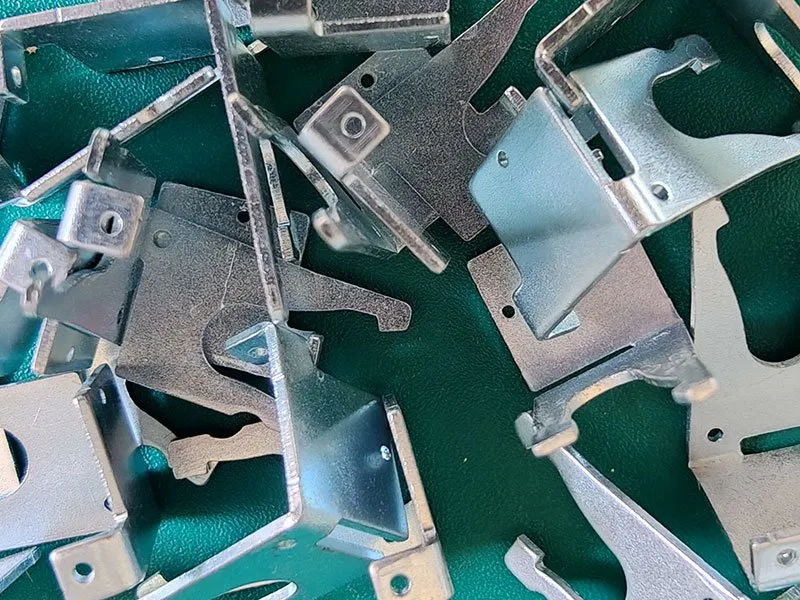
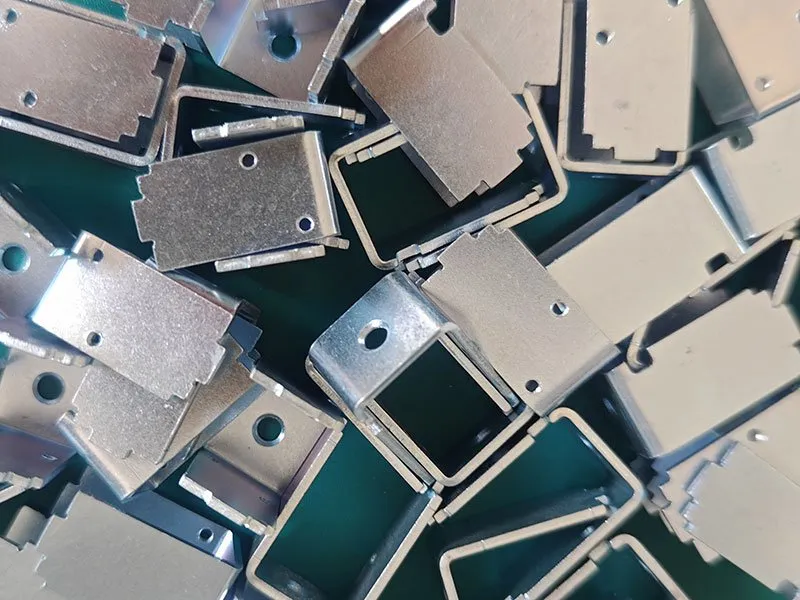
Browse the full case study library →
RFQ Notes
Send the bill of materials, assembly drawing and target volume. For assembly design guidance read designing parts for assembly, then request a quote.
Compliance and Quality
- Automotive material compliance — IMDS, REACH, RoHS and GADSL for automotive programs.
- Balford IMDS process — material data from quotation to delivery.
- IMDS compliance checklist — 15 steps for automotive suppliers.
- Quality and certifications — ISO 9001:2015 and IATF 16949-aligned controls.
Frequently Asked Questions
What assembly services do you provide?
Component joining, fit-up and module build for stamped, machined and fabricated parts: riveting, clinching, press-fit, welding coordination, threaded inserts and simple electro-mechanical assembly, with inspection at defined gates.
Do you assemble parts made by other suppliers?
Yes. We can assemble customer-supplied components alongside Balford-made parts, provided drawings and specifications define fit, torque, orientation and inspection requirements.
What inspection do you do on assemblies?
Critical dimensions, fit, torque, orientation and function are verified per the control plan, with first-article and in-process checks documented. Functional tests can be added where the specification requires them.
Can you manage the supply chain for an assembly?
Within the Balford supplier network we coordinate plating, heat treatment and selected bought-in parts, so the assembly arrives with the full process documented. See supplier network for the categories we manage.
Do you provide packaging and kitting?
Yes. Kitting, protective packaging and export-ready packing are planned with the project so parts arrive in the condition your line expects.
What is needed to quote an assembly?
A bill of materials, assembly drawing or step-by-step instructions, target volume and any test or certification requirements. If we manufacture components too, send the component drawings as well.
Secure Project Review
Send Balford Your Drawing
NDA before detailed file exchange. Drawing-based DFM review. Prototype-to-production route. Check the RFQ checklist before sending files.
Related manufacturing capability: custom metal stamping or metal welding and brazing — all reviewed from the same drawing before quoting.
Assemblies often combine plated, hardened or passivated parts — the secondary operations page lists which steps run in-house and which use partners.
Which assembly method does your module need?
| Method | Typical use | What to watch |
|---|---|---|
| Riveting (solid, semi-tubular, blind) | Permanent joints between sheet parts, brackets and housings | Hole size and grip length decide joint strength; rivet set is checked on the first article |
| Clinching / press joining | Sheet-to-sheet joints without fasteners or heat | Material pair and thickness must suit the tool; not for every alloy combination |
| Press-fit and interference assembly | Bearings, bushes, pins and sleeves into housings | Interference and bore tolerance decide whether the joint holds or the part cracks |
| Threaded inserts and hardware | Fastener threads in thin sheet | Pull-out and torque values depend on sheet thickness and insert type |
| Welding and brazing coordination | Structural joints and sealed assemblies | Distortion control and post-weld straightening; finishing after welding |
Where a module can be joined more than one way, the deciding factors are whether the joint must come apart, what load it carries, the material pair and the finish sequence. State the function of the joint at enquiry stage and Balford will say which method holds it.
Assembly quality control
Assembly is where the tolerances of every component meet, so the checks are set by the module's function rather than by the drawing alone.
- Fit-up before joining: components are checked in the fixture before riveting or welding, so a bad stack is found before it is permanent
- First article per setup: the first assembled module is measured against the drawing and the functional dimensions, then held as the reference for the run
- Joint checks: rivet set and flushness, clinch quality, press-fit depth and insert torque are verified by method and sampling agreed at quotation
- Functional dimensions: the dimensions that decide whether the module installs - mounting hole centres, overall height, bore alignment - are measured after assembly, not before
- Cleanliness and damage: surfaces and finishes are inspected after handling, because a module can pass dimensionally and still be rejected for a marked finish
- Kitting and traceability: parts, quantities and lot references are recorded so a module can be traced back to its components
The page deliberately does not publish rejection or delivery percentages: quality is recorded per lot and reviewed in the routine, and the evidence available to a customer is the inspection record and the PPAP Level 3 documentation for new programmes.
Riveting and joining
Riveting is the default permanent joint for sheet modules because it joins dissimilar materials without heat and does not distort the surrounding panel. The joint is only as good as the hole and the grip length, so both are set by the fixture and verified on the first article rather than judged by eye.
Assembly and subassembly FAQ
What assembly services do you provide?
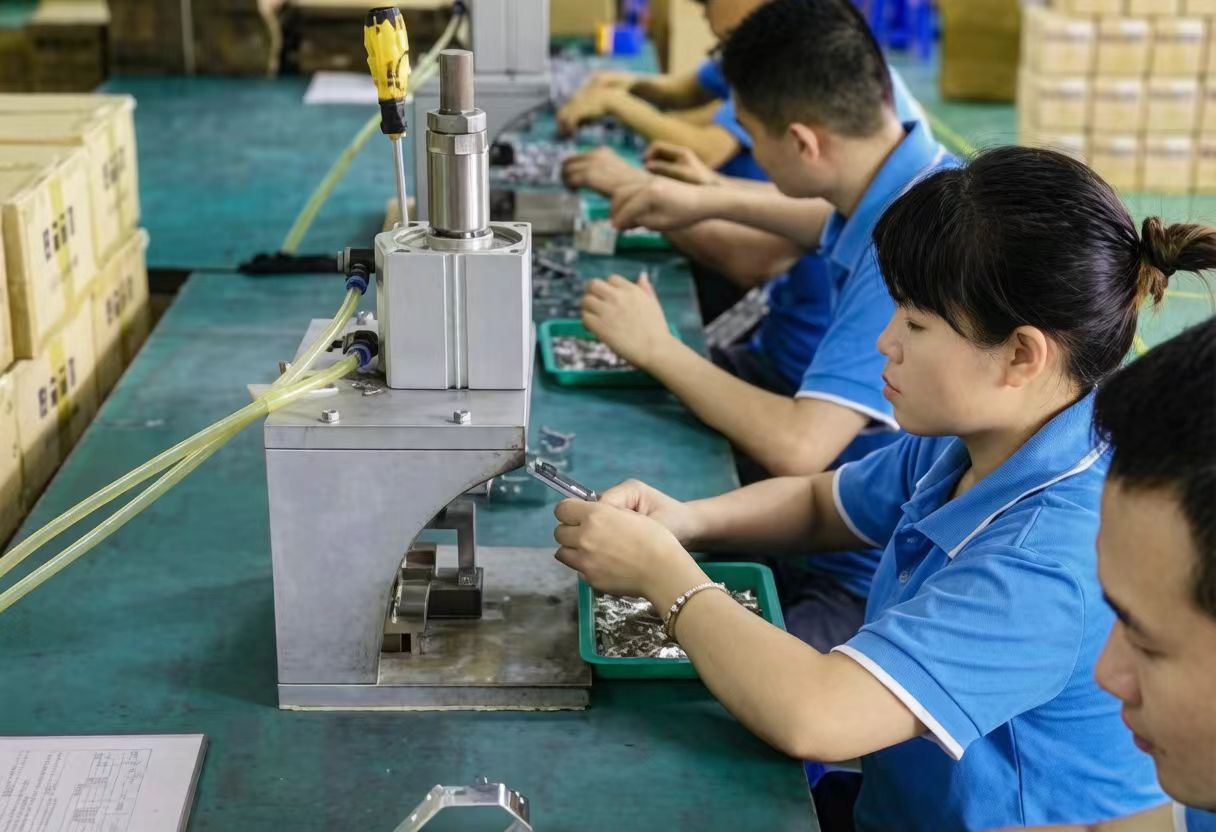
Riveting, clinching and press joining, press-fit assembly of bearings, bushes and pins, threaded insert installation, welding and brazing coordination, inspection, kitting and export-ready packaging. Assembly is treated as a manufacturing operation with its own fixtures and inspection, not as a packing step at the end of the line.
Can you assemble customer-supplied parts?
Yes. Customer-supplied components are inspected on receipt against the agreed criteria before they enter a module, because a supplied part that is out of tolerance will fail the assembly rather than the other way round.
Do you assemble parts that you also manufacture?
Yes, and that is usually the point: stamped and deep drawn housings, machined components and fabricated brackets made in the same plant go into assembly with one drawing review behind them, instead of a purchased-part stack with three suppliers' tolerances in it.
How is the finish sequence handled around assembly?
Finishing and assembly are sequenced deliberately: parts that are welded or riveted usually finish after joining, while bearing bores and sealing faces are protected or finished before assembly so they are not damaged by it. Bulk finishing operations are performed by audited partner companies and declared on the quotation.
What documentation comes with an assembled module?
Inspection records for the dimensions and joint checks agreed at quotation, material traceability back to the components, and PPAP Level 3 documentation for new programmes. Balford is certified to ISO 9001:2015 with process controls aligned to IATF 16949 requirements; Balford is not certified to IATF 16949 and does not hold ISO 14001.