Tube & Pipe Fabrication
Bent Tube Assemblies and CNC Tube Bending
Tube coiling is now a separate capability: see coiled tube.
Programmed CNC tube bending for multi-bend parts with repeatable angle, plane and length — plus helical tube coiling, end forming and assembly support.
Direct answer: CNC tube bending services at Balford program multi-bend tube parts so angle, plane and length repeat part after part, and the same tube line coils tube into helical coils with a controlled coil OD, pitch and turn count. We review the centerline model, bend radius, wall and springback before quoting, and can combine bending and coiling with cutting, end forming, welding and assembly for finished tubular parts.
Core Capability: CNC Bending
Programmed multi-bend
Angles and planes controlled from the 3D model or bend table.
Springback compensation
Tooling and program compensation verified on first pieces.
Mandrel support
Internal support for tight radii and thin-wall tube.
Finished tubular parts
Cut, bent, end-formed and assembled from one supplier.
Tube Coiling: Helical Coils and Coiled Tube
Tube coiling winds tube into a helical coil with a controlled coil OD, pitch and number of turns. It is used where a fluid, refrigerant or sensing line has to fit a defined envelope, and where the coil itself does the work — a heat-exchange or expansion coil. Coiling runs on the same tube line as CNC bending, so a part can be bent and coiled, end-formed, welded and assembled without changing supplier.
Helical coils
Controlled coil OD, pitch and number of turns.
Leg and end forms
Straight legs and end forms to the drawing.
Coil assemblies
Cut, formed and assembled coils from one supplier.
Material variety
Stainless, carbon steel, aluminum, copper and brass.
Engineering Review for CNC Bends
Centerline geometry
Send the 3D centerline or bend data table so planes and lengths are unambiguous.
Radius vs wall
Tight radii need mandrel support; ovality limits should be specified where the bore must stay open.
Springback
Material and radius drive compensation; first-piece verification locks the program.
Assembly fit
End forms, cut length and orientation reviewed against the assembly interface.
Engineering Review for Tube Coils
Coil vs tube geometry
Coil diameter relative to tube bend limits drives feasibility; confirm material and wall early.
Pitch and turns
Pitch consistency and turn count are set by the drawing and held in tooling.
End geometry
Straight legs and end forms are planned so the coil fits its assembly.
Springback
Coiling springback is compensated in tooling and confirmed on first pieces.
Materials
Stainless steel
Corrosion-resistant multi-bend lines. See stainless steel.
Carbon steel
Structural and hydraulic tube. See carbon steel.
Aluminum
Lightweight tube systems. See aluminum.
Applications
Fluid lines
Multi-bend tube for fluid routing. See automotive machining.
HVAC connections
Programmed bends for line sets. See HVAC components.
Equipment frames
Bent tube for structural assemblies. See industrial machining.
Sensor and instrument tubing
Precision coils for sensing lines. See sensor housings.
Equipment packaging
Coiled tube for space-constrained assemblies. See industrial machining.
Related Case Studies
Tube forming projects from production history.

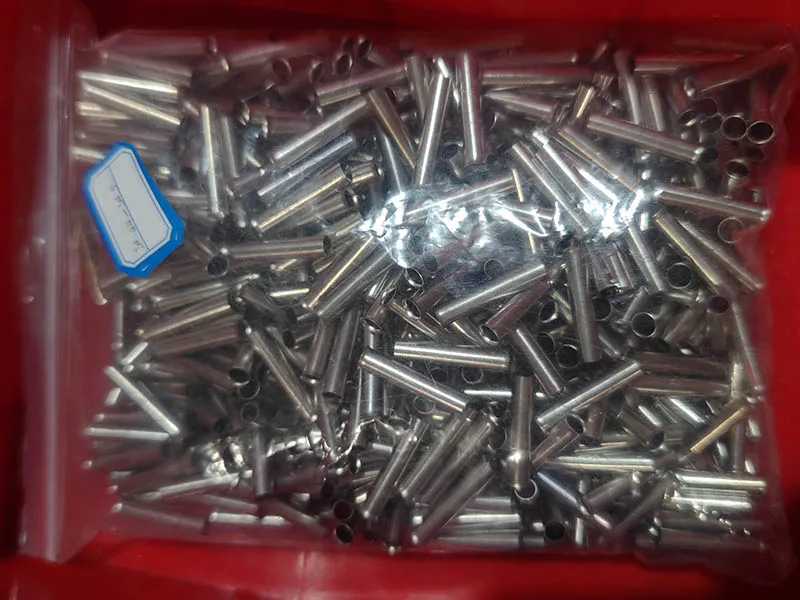
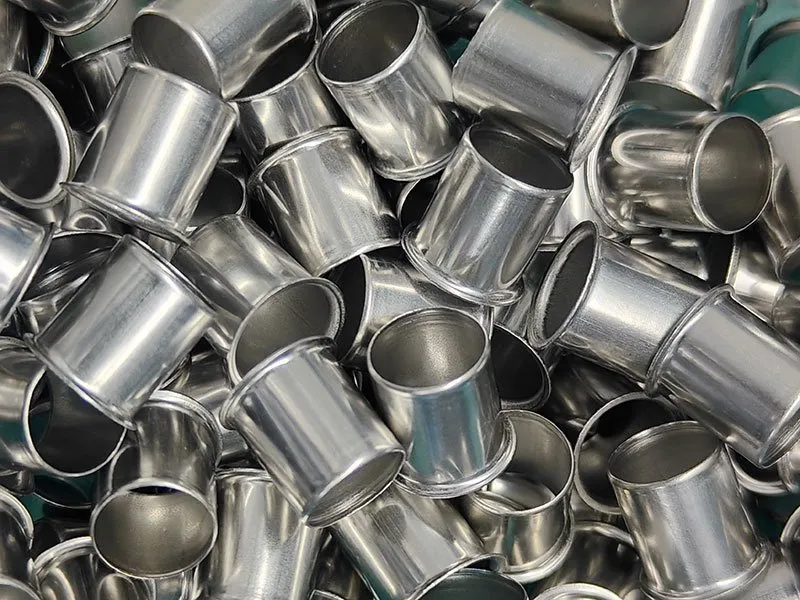
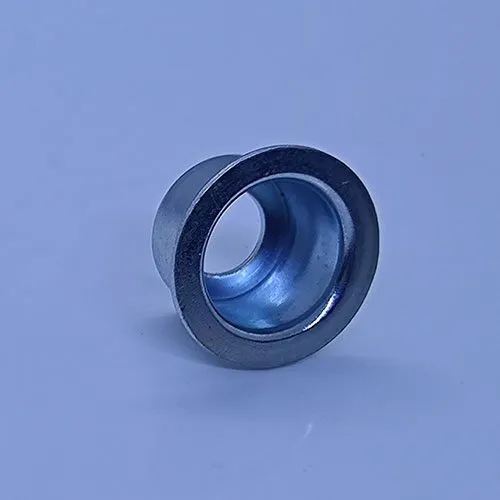
Browse the full case study library →
RFQ Notes
Send the centerline model or bend table for a bent part; send coil OD, pitch, number of turns, tube material and wall for a coiled part. Read the CNC tube bending design guide, then request a quote.
Compliance and Quality
- Automotive material compliance — IMDS, REACH, RoHS and GADSL for automotive programs.
- Balford IMDS process — material data from quotation to delivery.
- IMDS compliance checklist — 15 steps for automotive suppliers.
- Quality and certifications — ISO 9001:2015 and IATF 16949-aligned controls.
Frequently Asked Questions
What is CNC tube bending?
CNC tube bending uses numerically controlled machines to bend tube to programmed angles and planes with high repeatability. It is the right route for multi-bend parts where angle, plane and length must match the 3D model part after part.
What is the difference between CNC bending and press bending?
CNC bending programs each bend with controlled feed and rotation, so multi-bend tubes are produced in one setup with consistent geometry. Press or compression bending suits simpler single bends. Method choice follows the part geometry and volume.
How accurate are CNC bent tubes?
Angle, plane-of-bend and length accuracy are confirmed against the drawing on first pieces, with tooling compensation for springback. Exact values depend on material, radius and wall; we confirm per project rather than quoting a blanket number.
Can you bend tube with tight radii?
Yes, within material limits — tighter radii may need mandrel support to preserve the cross-section. Send the radius, wall and ovality requirement so we can review feasibility.
Do you offer CNC bending of other profiles?
Round and square tube are the common profiles; formed and rectangular sections are reviewed case by case for tooling feasibility.
What files do you need?
The centerline 3D model or a bend data table (bend radius, angles, planes, tangent lengths), plus material, OD, wall and quantity.
What is tube coiling?
Tube coiling winds tube into helical coils — commonly for fluid routing, heat exchange or compact packaging. Coil diameter, pitch and end geometry are controlled to the drawing.
What tube materials do you coil?
Stainless steel, carbon steel, aluminum, copper and brass tube are the common choices; material and wall are confirmed with the coil geometry before quoting.
What coil geometry can you produce?
Coil OD, pitch, number of turns, leg lengths and end form are set by the drawing. Tight coils need smaller bend radii relative to the tube, so feasibility is reviewed against material and wall.
Do you offer coiled tube as an assembly?
Yes. Coiled tube can be cut, end-formed and assembled with fittings so you receive a finished coil assembly.
Where are coiled tubes used?
Typical uses include fluid and refrigerant lines, heat-exchange coils, sensor and instrument tubing and compact equipment packaging.
What do you need to quote?
Coil OD, pitch, number of turns, tube material, OD, wall, leg or end geometry, and quantity. A drawing or 3D model is the clearest input.
Related Capabilities
Metal welding services
TIG, MIG/MAG and brazing for tube, sheet metal and fabricated assemblies.
Tube bending services
Single-bend and formed tube, with the same line feeding coiling.
Sheet metal fabrication
Cutting, bending, welding and assembly from one drawing.
Assembly and subassembly
Joining, hardware insertion and inspection into a delivered module.
Secure Project Review
Send Balford Your Drawing
NDA before detailed file exchange. Drawing-based DFM review. Prototype-to-production route. Check the RFQ checklist before sending files.
Bent Tube Assemblies: From Bend Program to Finished Part
A bent tube assembly is more than a bent tube. It is the bent tube plus the end forms, the fittings, the braze or weld joints, the mounting point and the leak test that make it fit the machine it was designed for. Every one of those steps moves the geometry, so they have to be planned together rather than added after the bends are right.
Balford runs that whole sequence on one site: tube cut to length, bent on the CNC line, end-formed on the hydraulic press, fitted with rings or ferrules, then brazed, welded and assembled. Because the bend program, the forming tools and the joining fixtures are all set from the same model, the assembly that comes off the line matches the routing the engineer designed around.
- Multi-bend parts from a centreline model or a bend table, with springback compensation verified on first pieces.
- End forming, flattening, bulging and sizing on bent tube ends.
- Ring and ferrule fitting, brazing and welding, so the assembly arrives complete.
- Materials: stainless steel, copper (including TP2 refrigeration tube), brass, aluminium and carbon steel.
Assemblies that carry a fluid or refrigerant circuit normally continue into brazing; where the joint is structural, into welding. Both run in-house, so trial fits and rework do not wait on an outside supplier.
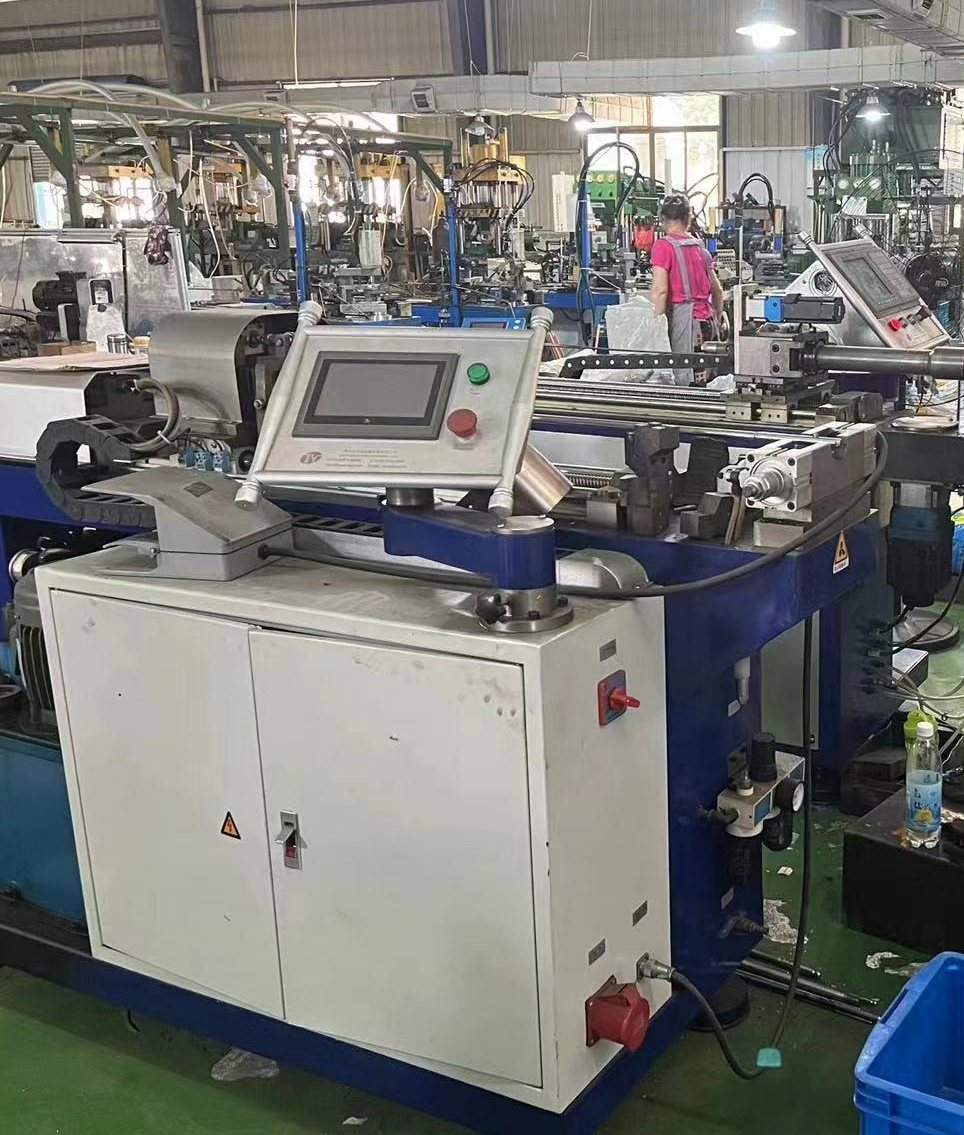
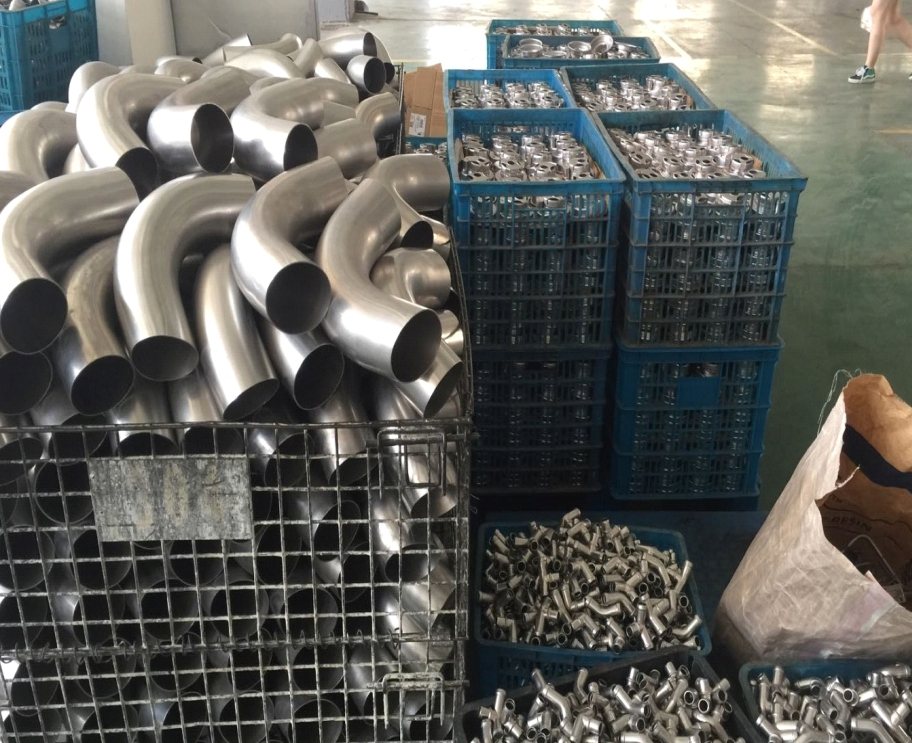
Related manufacturing capability: tube bending or tube coiling — all reviewed from the same drawing before quoting.