Tube & Pipe Fabrication
Precision Tube Bending for Round, Square and Formed Tubing
Precision tube bending for round, square and formed tubing — rotary draw, mandrel, roll and compression bending from prototype through volume production.
Direct answer: Tube bending services at Balford deliver repeatable bends with controlled geometry for round, square and formed tubing. We select rotary draw, mandrel, roll or compression bending to control flattening, wrinkling, springback and surface marking, and support bent tubes and tubular assemblies for automotive, HVAC, refrigeration, industrial and equipment projects.
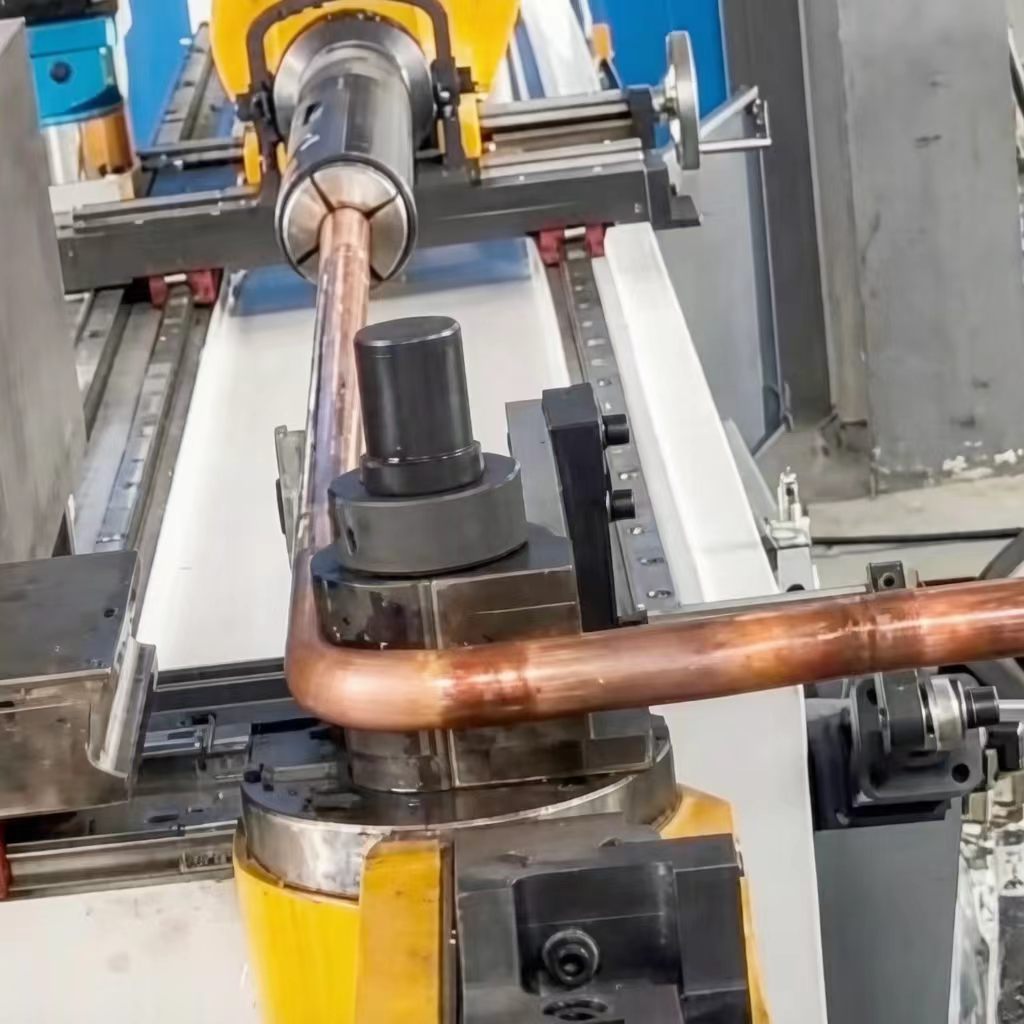
Tube Bending Methods
Rotary draw bending
Controlled die set for accurate, repeatable bends and multi-bend tube designs.
Mandrel bending
Internal support preserves the cross-section for tighter radii and thin-wall tubing.
Roll bending
Progressive forming for larger, smooth radii in frames, guards and rails.
Compression bending
Practical method for straightforward bends and generous radii.
Engineering Review for Tube Bends
Bend radius and ovality
Radius vs wall thickness sets flattening risk; specify maximum ovality where the cross-section must stay open.
Springback and plane of bend
Multi-bend programs compensate springback and plane-of-bend so the part matches the 3D model.
Mandrel and wiper tooling
Tight radii and thin walls need internal support; tooling is planned with the method.
End forms and assembly
Cut length, end form and assembly interfaces reviewed so the tube fits the system.
Supported Materials
Stainless steel
Corrosion-resistant tubing for process and equipment lines. See stainless steel.
Carbon steel
Structural and hydraulic tubing. See carbon steel.
Aluminum tubing
Lightweight lines and frames. See aluminum.
Quality Focus
- Incoming material verification
- Tooling and first-piece inspection
- Angle, radius and profile checks
- Consistent part-to-part repeatability across full production runs
Typical Use Cases
Automotive and equipment
Tubing for vehicle and industrial applications. See automotive machining.
HVAC and refrigeration
Line sets and connections. See HVAC components.
Frames, handles and handrails
Structural bent tube products.
Medical and industrial subassemblies
Precision bent tubes in finished assemblies.
Related Case Studies
Tube and pipe forming projects from production history.

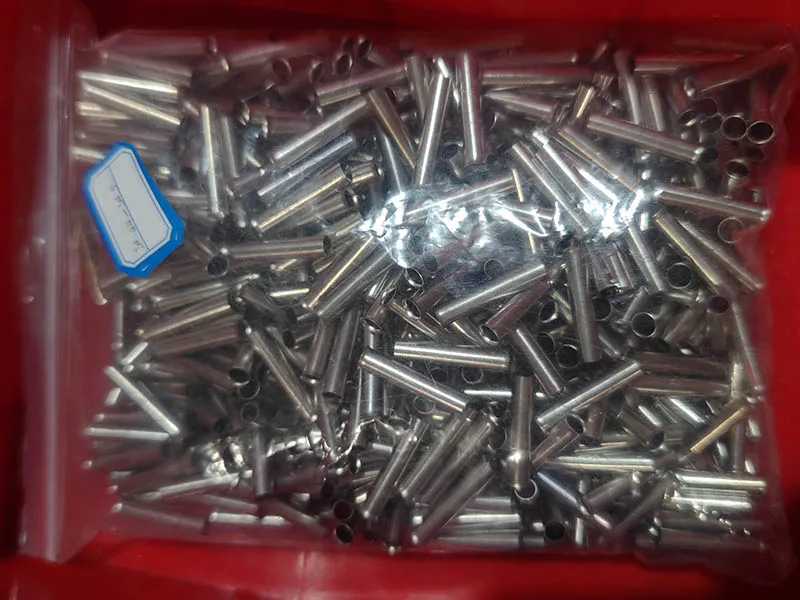
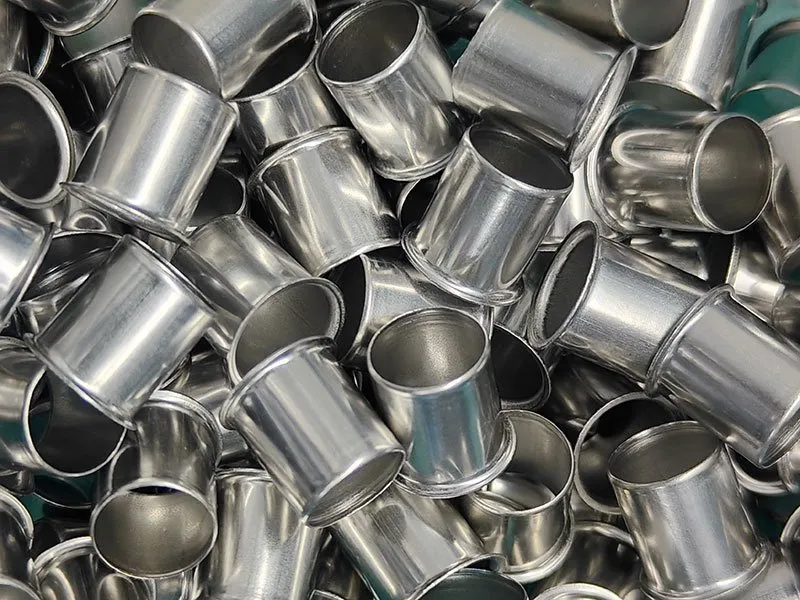
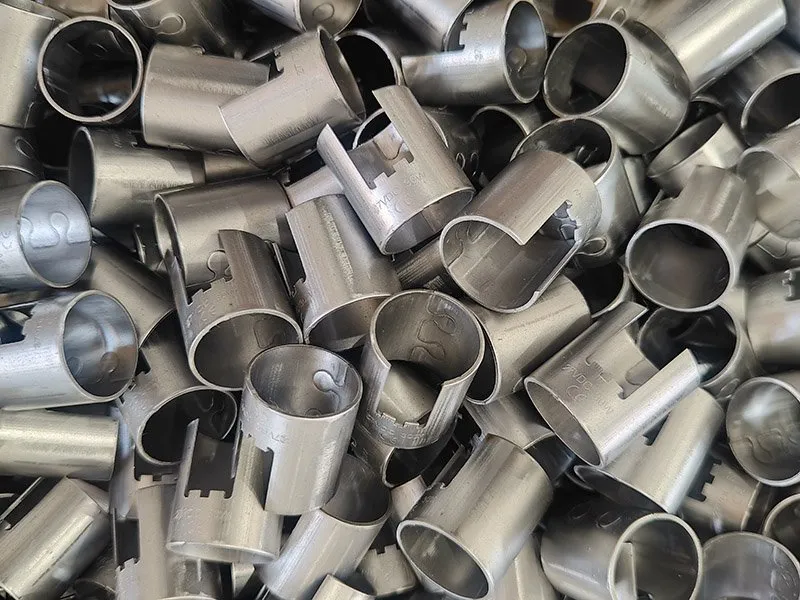
Browse the full case study library →
RFQ Notes
Send tube material, OD, wall thickness, bend radius, angles and target volume. Read the CNC tube bending design guide and the bend allowance guide, then request a quote.
Compliance and Quality
- Automotive material compliance — IMDS, REACH, RoHS and GADSL for automotive programs.
- Balford IMDS process — material data from quotation to delivery.
- IMDS compliance checklist — 15 steps for automotive suppliers.
- Quality and certifications — ISO 9001:2015 and IATF 16949-aligned controls.
Frequently Asked Questions
What tube bending methods do you use?
Rotary draw bending for accurate, repeatable close-tolerance bends; mandrel bending when internal support is needed for tighter radii or thin-wall tubing; roll bending for large, smooth radii; and compression bending for straightforward bends with generous radii.
Which tube materials do you bend?
Stainless steel, carbon steel, aluminum tubing, copper and brass, plus selected alloys. Material grade, OD, wall thickness and bend radius are reviewed before quoting.
How do you control flattening and wrinkling?
Tooling and method selection control cross-section ovality: mandrels and wiper tooling support the inside of the bend, and bend speed and lubrication are managed. Requirements such as maximum ovality or minimum wall thinning should be on the drawing.
Do you provide complete tubular assemblies?
Yes. Tube bending can be combined with cutting, end forming, welding coordination, surface treatment and simple assembly so you receive a finished tubular part or assembly.
Can you handle multi-bend designs?
Yes. Multi-bend tube programs are validated for springback, plane-of-bend and length compensation so the finished tube matches the 3D model. Send the centerline model or bend data table with your RFQ.
What do you need to quote a tube bend?
Tube material, OD, wall thickness, bend radius, bend angles, plane-of-bend information, target volume and any ovality or surface requirements. The centerline 3D model is the clearest input.
Secure Project Review
Send Balford Your Drawing
NDA before detailed file exchange. Drawing-based DFM review. Prototype-to-production route. Check the RFQ checklist before sending files.
CNC Tube Benders and Automatic Tube Forming Lines
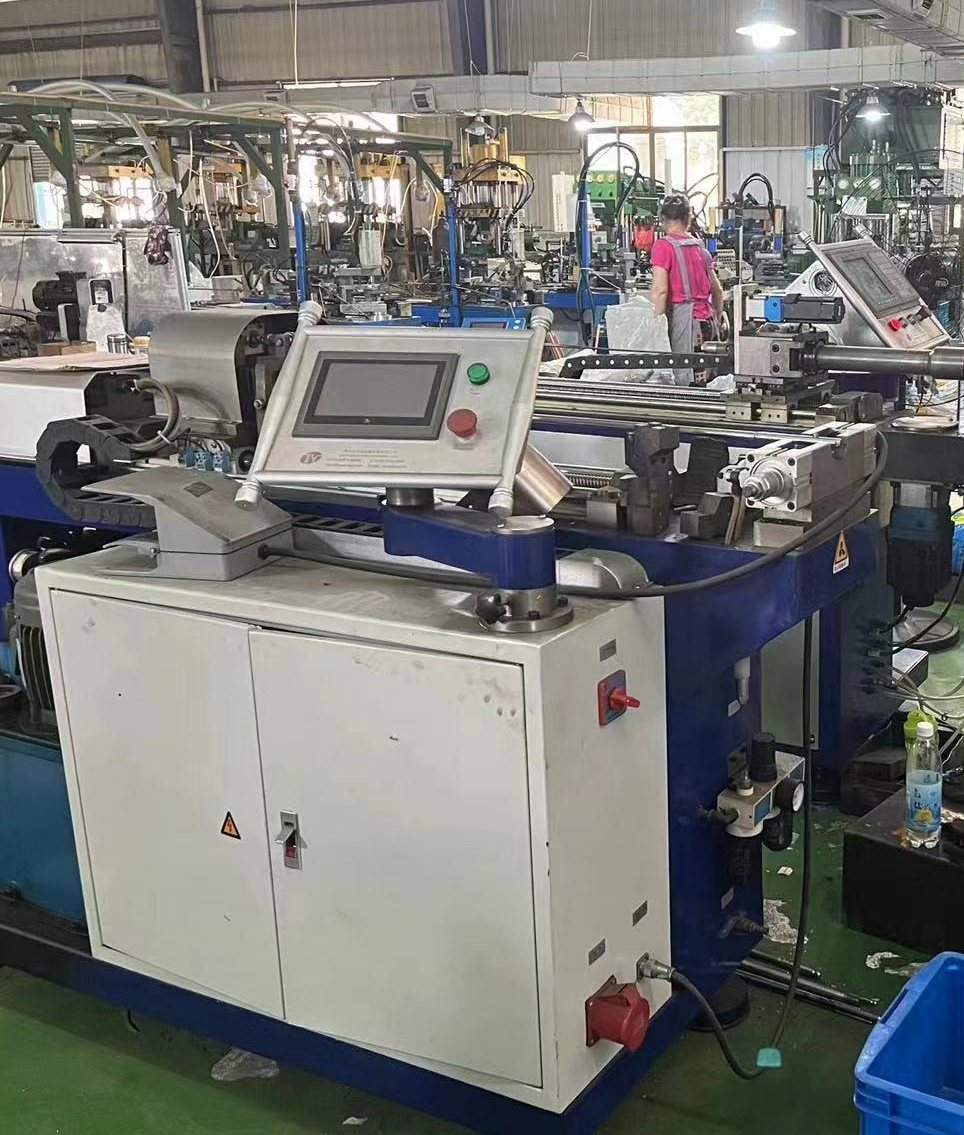
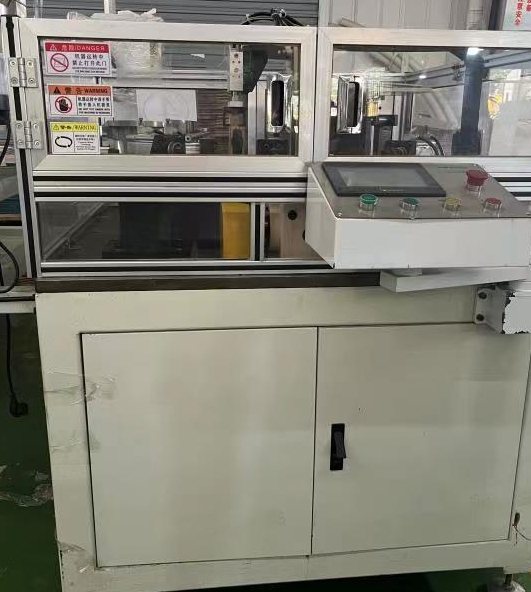
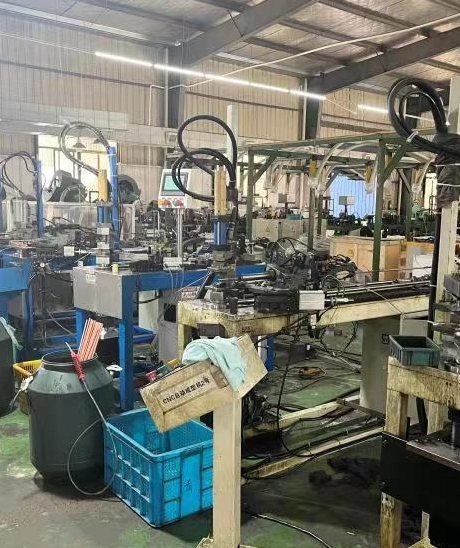
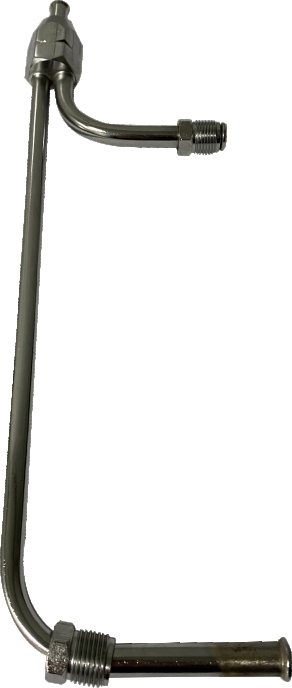
Tube bending here is a dedicated line, not a press brake with a radius tool. Fully automatic CNC tube benders run the bend program for multi-bend parts; an automatic S-bend production line handles continuous bend sequences; hydraulic presses form the tube ends; and automatic ring machines fit ferrules onto tube ends in the same flow. That combination is what makes bent tube parts repeatable at volume instead of depending on how the operator sets the machine that morning.
Fully automatic CNC tube bender
Runs the bend program for multi-bend parts, so angle, plane of bend, radius and leg length repeat from part to part.
Automatic S-bend production line
Continuous S-shaped bends for pipe runs and coil connections, where the bend sequence has to stay constant across a long production run.
Hydraulic press and automatic ring machine
End forming, flattening, bulging and sizing, plus ring and ferrule fitting, on the same automated line.
Refrigeration and Air-Conditioning Pipe Joints
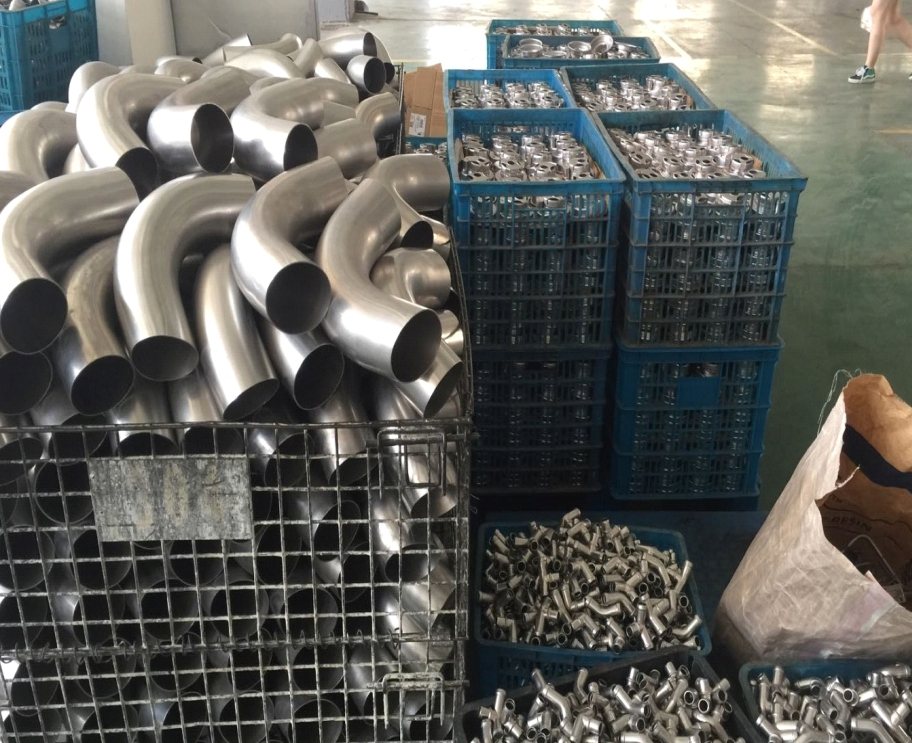
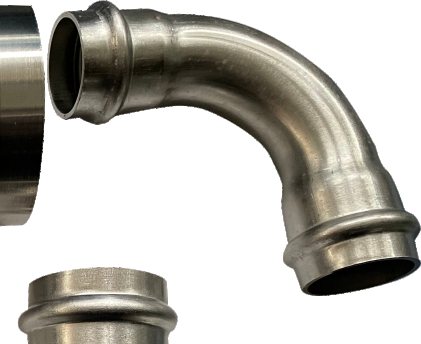
Pipe joints for air-conditioning and refrigeration are made from TP2 copper tube and formed as one piece by continuous bending, cold stamping, CNC spinning and hydraulic plastic extrusion, rather than assembled from several cut parts and welded together. Forming the joint in one piece removes a joint that a refrigerant circuit would otherwise have to seal.
After forming, the parts are degreased, de-oxidised and passivated. That is what gives the joint its pressure resistance and corrosion resistance, keeps the surface clean for brazing or welding, and keeps the part inside the RoHS material requirements that refrigeration and HVAC buyers specify.
- Typical use: air-conditioning and refrigeration systems, HVAC equipment, pharmaceutical and chemical plant, and marine piping.
- Joint integrity is proven by pressure and leak testing rather than by appearance.
- Bent and formed parts continue into tube coiling, brazing, welding and assembly in the same plant.
- Engineering rules for the geometry are on CNC tube bending: radius, wall thickness and springback, and the industry page is HVAC and refrigeration.
After Bending: Cleaning, Passivation and Testing
Degreasing and de-oxidising
Forming lubricants and oxide are removed after bending, so the tube surface is clean for brazing or welding.
Passivation
Copper and stainless parts are passivated for corrosion resistance, which is what keeps a refrigeration joint serviceable in a wet or chemical environment.
Pressure and leak testing
Bent and brazed assemblies are tested for pressure tightness; the test pressure comes from your drawing rather than a default setting.
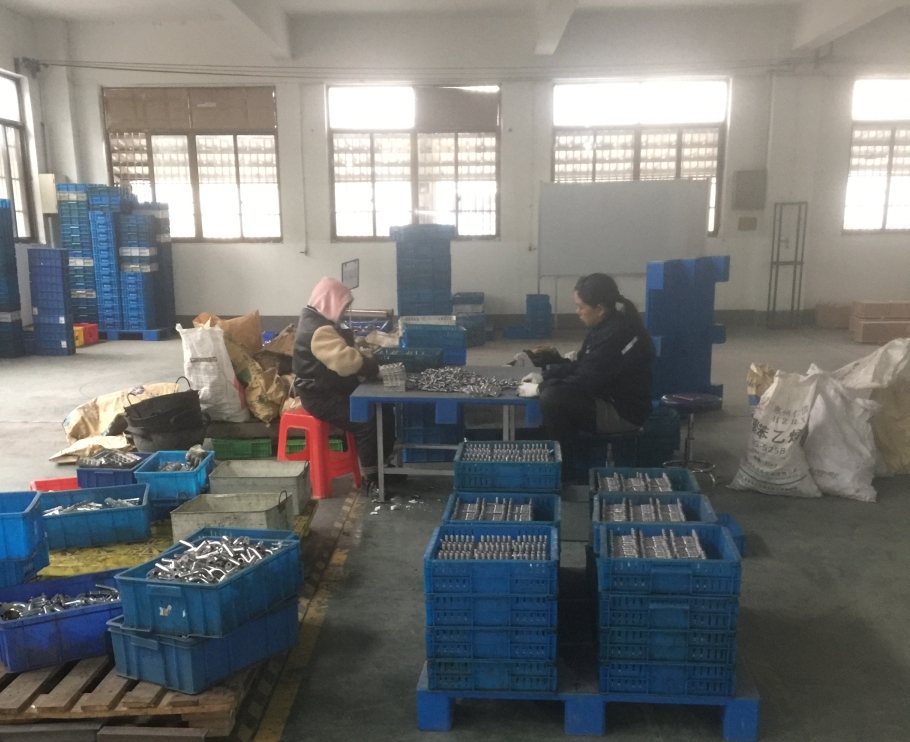
Related manufacturing capability: CNC tube bending services or tube coiling — all reviewed from the same drawing before quoting.
Which bending method does your part need?
| Method | Best for | Tooling | What it gives you |
|---|---|---|---|
| CNC press-brake bending | Boxes, brackets, panels, enclosures and multi-bend sheet parts | Standard or dedicated press-brake tooling | Controlled angles, fast set-up, repeatable across a batch |
| Rotary draw tube bending | Structural and fluid tubing with a tight, consistent radius | Bend dies and mandrel matched to the tube | Controlled radius and ovality; the standard route for tube |
| Mandrel bending | Thin-wall or tight-radius tube where collapse must be avoided | Mandrel set matched to bore | Keeps the bore open, limits flattening at the bend |
| Roll bending | Large-radius curves, arcs and rings | Rolls, no dedicated die | Long sweeping bends that a press brake cannot form |
| Compression bending | Simple, less demanding bends on thicker tube | Simple tooling | Economical where radius tolerance is not critical |
Where more than one method works, the deciding factors are the drawing radius, the wall thickness, the tube wall's tendency to flatten, and the quantity. Send the drawing with the bend radius and wall thickness marked and Balford will say which route holds it.
Downstream operations after bending
A bent part usually still needs its ends and holes. Bent blanks move into the next operation in the same plant: cutting and blanking, sheet metal fabrication, welding and assembly, CNC machining for interfaces, and finishing. The bend allowance and the blank size are planned with those operations, because the flat pattern, the holes and the bend relief all move together.
Parent capability page: sheet metal fabrication and processing.