
I. Technical Requirements for Custom Metal Chassis Processing
1. Technical performance requirements: The chassis structure should be designed based on the electrical and mechanical performance of the equipment and its operating environment, incorporating essential physical and chemical design to ensure the chassis has good rigidity and strength, as well as effective electromagnetic isolation, grounding, and noise isolation, along with ventilation and heat dissipation performance.
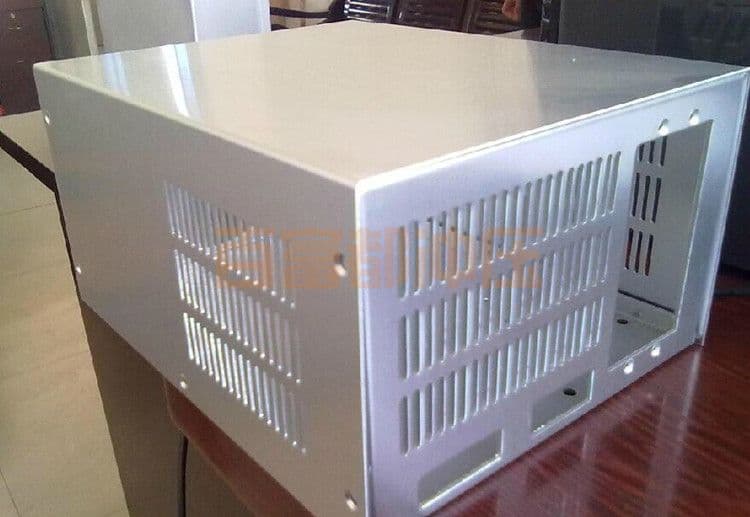
Furthermore, the chassis must also possess resistance to vibration, impact, corrosion, dust, water, and radiation, ensuring stable and reliable operation of the equipment.
2. It should offer excellent usability and safety protection features, be easy to operate, install, and maintain, and ensure the safety of operators.
3. It should be adaptable for production, assembly, debugging, and packaging transportation.
4. It should comply with standardization, normalization, and serialization requirements.
5. It should have an aesthetically pleasing appearance, be practical, and have coordinated colors.
In today's era, chassis have become an indispensable metal product in the computer industry. Various styles of cabinets can be seen in major computer rooms. With the continuous development of the computer industry, the functions of cabinets have become increasingly significant. Cabinets are typically used in network wiring rooms, floor distribution rooms, central computer rooms, data rooms, network cabinets, control centers, monitoring rooms, and monitoring centers.
II. What Are the Types of Chassis Shell Materials?
Below, the editor from Zhejiang Baifudu Electromechanical will mainly introduce the common materials used for computer chassis. Let's take a look together!
1. Acrylic Transparent Side Panel Chassis
Acrylic panels offer excellent transparency, with colorless transparent organic glass sheets achieving a light transmittance of up to 92%. In addition, acrylic panels feature good weather resistance and strong adaptability to natural environments. Prolonged exposure to sunlight, rain, and wind will not cause them to change. An acrylic transparent side panel allows you to see the hardware inside the chassis in action. If the components inside the chassis feature lighting effects, the colors that shine through will create a whole different aesthetic.
2. Sound-Absorbing and Noise-Reducing Chassis
So-called active noise reduction no longer relies solely on increasing panel thickness to passively and inefficiently block noise. Instead, high-density sound-absorbing cotton is incorporated to actively absorb noise, eliminating a significant portion of it before it reaches the chassis panels, thereby enhancing the noise reduction effect. The sound-absorbing cotton material not only provides excellent acoustic absorption but also offers decent thermal dissipation. When paired with several large, quiet fans, it truly achieves both noise reduction and heat dissipation in one go.
3. Glass Transparent Side Panel Chassis
Unlike ordinary glass, glass transparent side panel chassis typically use tempered glass. Tempering creates compressive stress on the glass surface, so when external force is applied, the surface stress is first counteracted, thereby increasing load-bearing capacity. Compared to standard acrylic or plastic transparent side panels, tempered glass side panels offer superior light transmittance. Therefore, after building a lighting-focused setup, tempered glass chassis provide better visual effects. Additionally, tempered glass is more scratch-resistant than acrylic and will not become covered in unsightly scratches over time like acrylic materials do. Furthermore, due to the heavier weight of tempered glass, it effectively stabilizes the chassis and prevents resonance. As a result, tempered glass is increasingly favored by chassis manufacturers and DIY enthusiasts alike.
4. Aluminum Chassis
Aluminum chassis often feature excellent heat dissipation, electromagnetic shielding, and lighter weight. This material offers a premium feel both visually and tactilely. However, aluminum chassis are quite expensive and offer fewer variations in exterior design. Compared to steel panels, aluminum panels have lower strength, especially the top and side panels. A side panel not yet installed on the chassis can easily leave an irreparable dent if accidentally stepped on.
5. Plastic Chassis
Compared to metal materials, one advantage of plastic is that shaping and coloring are very simple, enhancing the chassis's visual appeal. However, the pros and cons are clear-cut: plastic materials not only have low strength and cannot absorb electromagnetic radiation, but they are also more prone to scratching and difficult to maintain.
6. SECC Chassis
SECC is electro-galvanized steel sheet. It is a stamping material, which is a cold-rolled sheet coated with a zinc layer on its surface, giving it a smooth, gray appearance. It offers rust and corrosion resistance, but at a relatively higher cost. The typical sheet thickness ranges from 0.4 to 3.2 mm. SECC material is commonly used by major computer chassis manufacturers, and its price is higher than that of hot-dip galvanized steel. Therefore, this material can be found in high-end gaming chassis or server chassis.