
Vỏ van điện từ dập sâu: chọn vật liệu & thiết kế cho ứng dụng ô tô
Tóm tắt
Vỏ van điện từ cho hệ thống phanh ô tô (ABS, EBS) là một ứng dụng dập sâu then chốt. Vỏ phải đảm bảo độ từ thẩm, độ kín áp, khả năng chống ăn mòn và độ ổn định kích thước — tất cả ở sản lượng công nghiệp. Dưới đây là góc nhìn thực tế về chọn vật liệu, quy tắc thiết kế và trình tự sản xuất cho vỏ van điện từ dập sâu.
Vì sao chọn dập sâu cho vỏ van điện từ
Dập sâu là quy trình được chọn cho vỏ van điện từ vì nó tạo ra chi tiết rỗng, liền khối, độ dày thành đều — điều mà gia công cắt gọt hay hàn khó đạt ổn định. Sự đồng đều đó quan trọng vì ba lý do:
- Hiệu năng mạch từ: Độ dày thành đều giữ phân bố từ thông đồng nhất, nên van điện từ phản hồi ổn định.
- Độ kín áp: Dập liền khối loại bỏ đường hàn — vốn có thể trở thành đường rò dưới áp suất thủy lực hoặc khí nén.
- Độ chính xác kích thước: Dung sai chặt trên đường kính trong và chiều sâu là then chốt cho lắp ráp pít-tông và kiểm soát hành trình.
Chọn vật liệu cho vỏ van điện từ
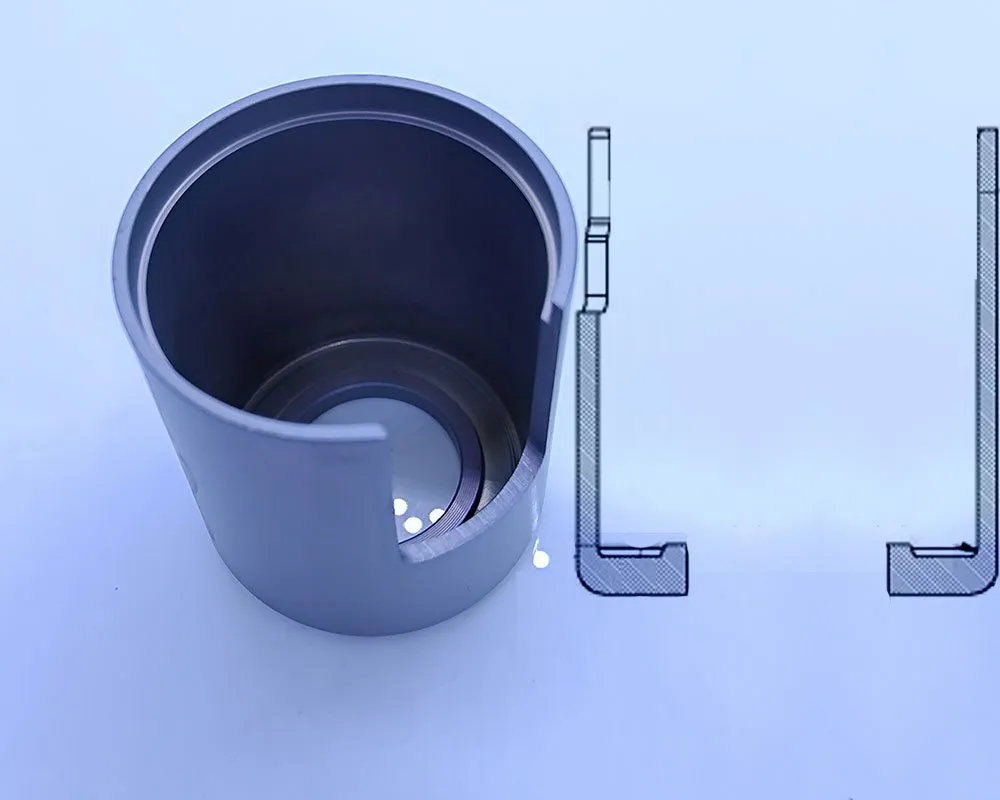
Lựa chọn vật liệu ảnh hưởng trực tiếp đến hiệu năng từ, khả năng chống ăn mòn và tính tạo hình. Balford làm việc với nhiều loại vật liệu cho ứng dụng van điện từ:
| Vật liệu | Tính chất chính | Ứng dụng điển hình |
|---|---|---|
| Thép carbon thấp (ví dụ 1008, 1010) | Độ từ thẩm tốt, hiệu quả chi phí, dễ tạo hình. Cần mạ (ví dụ mạ kẽm) để chống ăn mòn. | Vỏ van điện từ ABS và EBS tiêu chuẩn cho xe du lịch. |
| Thép không gỉ (ví dụ 430F) | Chống ăn mòn tốt và có tính từ. Khả năng tạo hình thấp hơn thép carbon thấp. | Vỏ van thủy lực cần bảo vệ ăn mòn tốt hơn. |
| Thép không gỉ (ví dụ 304, 316L) | Chống ăn mòn rất tốt. Không từ ở trạng thái ủ; có thể nhiễm từ nhẹ sau biến dạng nguội. | Ứng dụng trong môi trường khắc nghiệt (ví dụ xe thương mại, máy công trình). |
Lưu ý thiết kế: Với mạch từ, độ từ thẩm của vật liệu (μ) là thông số then chốt. Thép carbon thấp cho sự cân bằng tốt giữa chi phí và tính chất từ. Nếu chống ăn mòn là ưu tiên số một, vật liệu như thép không gỉ 430F là một dung hòa.
Thiết kế cho dập sâu: những lưu ý với vỏ van điện từ
1. Tỷ số dập và hình học
Tỷ lệ chiều sâu trên đường kính là yếu tố chính quyết định độ phức tạp và chi phí quy trình.
- Nguyên tắc chung: Nếu chiều sâu chi tiết vượt 1,5 lần đường kính, dập bằng khuôn liên hoàn trở nên khó khăn. Khi đó phải dập sâu.
- Năng lực Balford: Chúng tôi chuyên những chi tiết dập sâu khó, kể cả các phương án giảm đường kính nhiều công đoạn phức tạp để đạt chiều sâu và phân bố độ dày thành theo yêu cầu.
2. Độ dày thành và dung sai
- Kích thước then chốt:Đường kính trong cho lắp pít-tông, độ dày đáy cho cấp áp và tổng chiều sâu cho chiều dài hành trình.
- Dung sai đạt được:Một số đặc điểm gia công then chốt có thể được kiểm soát tới ±0,001 mm khi quy trình, hình học, vật liệu và điều kiện kiểm tra cho phép. Năng lực đạt được cho từng đặc điểm cụ thể sẽ được xác nhận từ bản vẽ trong buổi rà soát DFM, dựa trên các kiểm soát được chứng nhận ISO 9001:2015, tương thích với yêu cầu IATF 16949.
3. Độ hoàn thiện bề mặt
- Bề mặt trong:Bề mặt nhẵn giảm ma sát pít-tông và giảm mài mòn trong suốt vòng đời sử dụng.
- Bề mặt ngoài:Với chi tiết được mạ, bề mặt đồng nhất là điều kiện để lớp phủ bám đúng.
- Kiểm soát quy trình:Quy trình dập sâu của chúng tôi tạo bề mặt nhẵn, thường loại bỏ được nhu cầu gia công thứ cấp.
4. Mặt bích và các đặc điểm lắp ráp
- Thiết kế mặt bích:Mặt bích (hay mép loe) phải tạo bề mặt làm kín đáng tin cậy cho gioăng O-ring hoặc đệm.
- Khuyến nghị:Hãy ghi rõ độ phẳng và độ nhám bề mặt (Ra) xác định trên mặt bích để đảm bảo kín khít dưới áp suất.
5. Ren và các nguyên công thứ cấp
- Ren:Ren, dù trong hay ngoài, thường được tạo ở nguyên công thứ cấp — tarô hoặc cán ren — sau khi chu trình dập sâu chính hoàn tất.
- Đột lỗ:Lỗ dẫn hướng hoặc lỗ lắp ráp có thể được tạo ở bước đột thứ cấp, hoặc tích hợp trực tiếp vào chuỗi khuôn liên hoàn.
Quy trình sản xuất vỏ van điện từ của Balford
Mua vật liệu:- Chúng tôi mua vật liệu đã chứng nhận từ các nhà máy được phê duyệt, có truy xuất nguồn gốc đầy đủ và tuân thủ yêu cầu RoHS, REACH.
- Mua vật liệu:Thiết kế khuôn: Đội kỹ thuật của chúng tôi thiết kế và chế tạo khuôn dập sâu nhiều công đoạn, chú trọng dòng chảy vật liệu và kiểm soát độ mỏng của thành.
- Thiết kế khuôn:Dập sâu: Chúng tôi chạy chuỗi dập trên máy ép chính xác cao, kiểm soát lực giữ phôi và dầu bôi trơn để giữ hình học chi tiết ổn định.
- Dập sâu:Kiểm tra chất lượng: Kiểm tra trong quá trình và kiểm tra cuối được thực hiện bằng máy đo tọa độ (CMM) đã hiệu chuẩn cùng đồ gá chuyên dụng, đối chiếu mọi kích thước với bản vẽ.
- Kiểm tra chất lượng:Nguyên công thứ cấp: Mạ, nhiệt luyện hoặc cán ren được thực hiện tại xưởng khi khả thi, hoặc điều phối qua mạng lưới đối tác đã được thẩm định của chúng tôi.
- Nguyên công thứ cấp:Ưu điểm của vỏ van điện từ dập sâu so với phương án gia công cắt gọt
Vỏ dập sâu
Vỏ gia công cắt gọt (ví dụ từ thép thanh)| Hiệu suất sử dụng vật liệu | Cao (phoi rất ít) | Thấp (hao phí vật liệu lớn do gia công cắt gọt) |
|---|---|---|
| Tốc độ sản xuất | Cao (phù hợp sản xuất khối lượng lớn) | Chậm (thời gian chu kỳ mỗi chi tiết dài) |
| Độ dày thành | Đồng đều, ổn định | Có thể thay đổi; phụ thuộc kích thước phôi |
| Tính liền khối của chi tiết | Đồng đều, ổn định | Có thể thay đổi; phụ thuộc kích thước phôi |
| Tính liền khối của chi tiết | Hoàn toàn không có đường hàn — chi tiết ra khỏi khuôn là một khối liên tục. | Không có đường hàn — vỏ được tạo từ một phôi duy nhất, nên không có gì phải mài hay kiểm tra. |
| Chi phí | Đơn giá thấp hơn ở sản lượng lớn — khuôn nhanh chóng được khấu hao khi chạy máy ép cấp phôi cuộn. | Đơn giá cao hơn |
| Thời gian giao | Thời gian làm khuôn ban đầu dài hơn — thường 30–60 ngày để chế tạo và chạy thử khuôn liên hoàn và khuôn chuyền. | Thời gian làm khuôn ngắn hơn — chúng tôi thường rút ngắn nhờ nền khuôn sẵn có hoặc khuôn mềm. |
Hỏi đáp: câu hỏi kỹ thuật về vỏ van điện từ
Hỏi: Balford khuyến nghị vật liệu nào cho vỏ van điện từ cần cả độ từ thẩm và khả năng chống ăn mòn?
Đáp: Với hầu hết ứng dụng, thép không gỉ 430F cho sự cân bằng vững chắc — nó có từ tính và chịu được khá tốt trong môi trường ăn mòn nhẹ. Nếu cần chống ăn mòn tốt hơn, 304 hoặc 316L sẽ đáp ứng, nhưng cần nhớ chúng có thể giảm từ tính sau khi tạo hình, làm yếu mạch từ. Nên xác nhận sớm yêu cầu từ thông với đội thiết kế. Kỹ sư của chúng tôi có thể hỗ trợ chọn vật liệu và gửi mẫu để bạn kiểm nghiệm.
Hỏi: Tỷ lệ chiều sâu trên đường kính tối đa mà Balford có thể đạt cho một vỏ van điện từ dập sâu là bao nhiêu?
Đáp: Điều đó phụ thuộc vào vật liệu và hình học. Với các loại thép ô tô điển hình, chúng tôi có thể đạt tỷ số dập trên 2,5:1 ở chi tiết cuối nhờ chuỗi công đoạn giảm đường kính. Hãy gửi bản vẽ hoặc thông số mục tiêu, chúng tôi sẽ đưa ra đánh giá khả thi cụ thể.
Hỏi: Balford có thể sản xuất vỏ van điện từ có mặt bích và ren trong không?
Đáp: Có. Chúng tôi có thể dập luôn mặt bích trong quá trình tạo hình. Ren trong thường được thêm ở nguyên công thứ cấp — cán ren là lựa chọn ưu tiên của chúng tôi vì độ bền và độ chính xác kích thước. Chúng tôi xử lý phần này trong toàn bộ phạm vi dự án, để bạn nhận được chi tiết hoàn chỉnh sẵn sàng lắp ráp.
Hỏi: Balford đảm bảo độ kín áp của một vỏ dập sâu như thế nào?
Đáp: Hệ thống chất lượng của chúng tôi bao gồm chứng nhận vật liệu và kiểm tra kích thước trong suốt quá trình sản xuất. Với chi tiết chịu áp, chúng tôi cung cấp dịch vụ kiểm tra rò như một hạng mục gia tăng giá trị. Hệ thống được chứng nhận ISO 9001:2015, với các kiểm soát tương thích yêu cầu IATF 16949, nghĩa là phòng ngừa lỗi được tích hợp vào quy trình thay vì chỉ phát hiện ở khâu kiểm tra cuối.
Hỏi: Balford có những chứng nhận nào cho sản xuất linh kiện ô tô?
Đáp: Balford được chứng nhậnISO 9001:2015và vận hành hệ thống quản lý chất lượng theo hướng đáp ứngIATF 16949các yêu cầu này, nên các kiểm soát của chúng tôi phù hợp với kỳ vọng của ngành ô tô. Chúng tôi cũng có thể cung cấp chứng nhận vật liệu và tuyên bố RoHS/REACH kèm theo lô hàng.
Hỏi: Làm sao để nhận báo giá cho một vỏ van điện từ dập sâu?
Đáp: Hãy gửi bản vẽ 2D có ghi dung sai, mô hình 3D, tiêu chuẩn vật liệu và sản lượng ước tính hằng năm. Chúng tôi sẽ phản hồi báo giá tách riêng chi phí khuôn và đơn giá từng chi tiết.