Mục lục
Sử dụng các liên kết bên dưới để chuyển đến phần bạn cần:Sử dụng các liên kết bên dưới để chuyển đến phần bạn cần:
- Giới thiệu: Dập kim loại là gì?
- Giới thiệu: Dập kim loại là gì? Phần Một: Các Quy Trình Dập Kim Loại
- Phần Một: Các Quy Trình Dập Kim Loại Phần Hai: Vật liệu cho Dập kim loại
- Phần Hai: Vật liệu cho Dập kim loại Phần Ba: Thiết kế để sản xuất hiệu quả (DFM)
- Phần Ba: Thiết kế để sản xuất hiệu quả (DFM) Phần Bốn: Ứng Dụng Trong Ngành
- Phần Bốn: Ứng Dụng Trong Ngành Phần Năm: Tiêu chuẩn Chất lượng và Những gì Bạn Có thể Mong đợi
- Phần Năm: Tiêu chuẩn Chất lượng và Những gì Bạn Có thể Mong đợi Phần Sáu: Vì sao nên hợp tác với nhà sản xuất dập chính xác tại Trung Quốc
- Phần Sáu: Vì sao nên hợp tác với nhà sản xuất dập chính xác tại Trung Quốc
- Phần Bảy: Hiểu Về Chi Phí Dập Kim Loại
- Phần Tám: Dung sai và Xử lý bề mặt
- Phần Chín: Dập kim loại so với các quy trình thay thế
- Phần Mười: Cách Nhận Báo Giá — Danh Sách Kiểm Tra Dành Cho Người Mua
- Phần Mười Một: Các Nghiên Cứu Điển Hình về Dập Kim Loại
- Câu hỏi thường gặp
Mới trong ấn bản này:các yếu tố chi phối chi phí, dung sai và bề mặt xử lý thực tế, so sánh quy trình, danh mục kiểm tra sẵn sàng báo giá dành cho bộ phận thu mua, và các nghiên cứu điển hình từ sản xuất thực tế — được biên soạn dành cho kỹ sư và đội ngũ thu mua tìm nguồn cung ứng chi tiết dập.
Giới thiệu: Dập kim loại là gì?
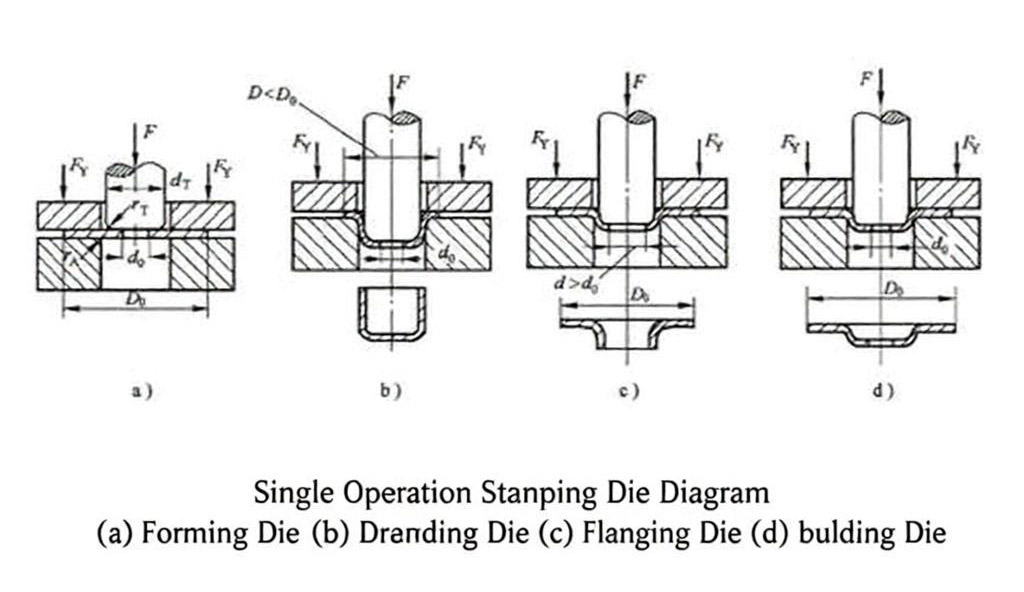
Dập kim loại là quá trình tạo hình nguội sử dụng lực ép thủy lực lớn để chuyển đổi tấm kim loại phẳng thành các chi tiết hoàn thiệnMáy dập tạo hình dẫn động một dụng cụ chuyên dụng—được gọi là mộtkhuôn dập—tác động lên cuộn thép hoặc phôi, buộc vật liệu phải cắt, uốn hoặc kéo giãn thành hình dạng mong muốn.
Sau khi bộ khuôn được nghiệm thu và chứng minh tính khả thi, máy dập có thể vận hànhhàng chục đến hàng trăm chi tiết giống hệt nhau mỗi phút, duy trì độ đồng nhất kích thước chặt chẽ qua hàng triệu chu kỳChi phí đầu tư ban đầu cho khuôn dập là đáng kể, nhưng khoản chi phí một lần này sẽ được phân bổ qua các lô sản xuất khối lượng lớn, giúp giá thành trên mỗi chi tiết thấp hơn đáng kể so với gia công cắt gọt hoặc chế tạo.
Đối với người mua B2B trong các ngành ô tô, y tế, hàng không vũ trụ và công nghiệp, dập kim loại mang lại ba lợi thế chính:
| Lợi thế | Tại Sao Điều Này Quan Trọng |
|---|---|
| Tốc độ | Sản lượng lớn với thời gian chu kỳ chỉ tính bằng giây |
| Độ lặp lại | Hàng triệu chi tiết đồng nhất với dung sai ổn định |
| Hiệu quả chi phí | Sau khi chi phí chế tạo khuôn được hoàn vốn, chi phí trên mỗi chi tiết giảm đáng kể. |
Hướng dẫn này cung cấp cho các kỹ sư thu mua, quản lý chuỗi cung ứng và nhà thiết kế sản phẩm những nội dung thiết yếu: các quy trình dập chính, cách chọn vật liệu, các nguyên tắc thiết kế để sản xuất hiệu quả, ứng dụng của những chi tiết này và những điều cần kiểm tra khi đánh giá một xưởng dập.
Phần Một: Các Quy Trình Dập Kim Loại
Lựa chọn quy trình dập phù hợp là một trong những quyết định quan trọng nhất trong dự án chi tiết kim loại. Nó ảnh hưởng trực tiếp đến ngân sách chế tạo khuôn, độ ổn định của sản xuất, cơ cấu chi phí và khả năng mở rộng quy mô về sau.
1. Dập khuôn liên hoàn

Dập khuôn liên hoàn cho dải kim loại liên tục chạy qua một khuôn duy nhất với nhiều trạm. Mỗi trạm thực hiện một công đoạn—đột lỗ, cắt phôi, uốn, dập nổi, hoặc tạo hình—theo trình tự, và chi tiết hoàn chỉnh ra khỏi trạm cuối cùng.

Để biết thêm chi tiết về các phương pháp khuôn dập liên hoàn cụ thể, hãy tham khảo hướng dẫn của chúng tôi vềCắt xoay trong khuôn, Taro trong khuôn, dập bốn trượt và dập nhiều trượt, vàdập sâu vi mô bằng khuôn dập liên hoàn.
Phù hợp nhất cho:
- Sản xuất khối lượng lớn (hơn 100.000 chi tiết mỗi năm)
- Các chi tiết phức tạp cần nhiều bước tạo hình
- Chi tiết có hình học ổn định qua các chu kỳ sản xuất dài
Ứng dụng điển hình: Giá đỡ, kẹp, phụ kiện kẹp, chi tiết dập đa tính năng, đầu nối điện và linh kiện kết cấu ô tô
Lợi thế chính:
- Năng suất cao với thao tác chi tiết tối thiểu giữa các trạm
- Chất lượng ổn định, có thể lặp lại nhờ các quy trình tự động hóa được kiểm soát chặt chẽ
- Chi phí nhân công trên mỗi chi tiết thấp hơn so với gia công dập một công đoạn
Những điểm cần lưu ý:
- Chi phí đầu tư ban đầu cho khuôn cao hơn
- Thời gian phát triển khuôn dài hơn
- Phù hợp nhất cho các đợt sản xuất ổn định, khối lượng lớn
2. Dập vuốt sâu
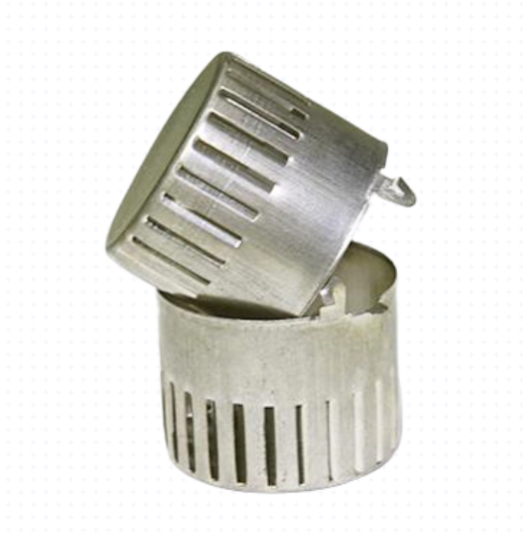
Dập vuốt sâu định hình kim loại tấm thành các hình dạng sâu, rỗng hoặc hình trụ bằng cách kéo vật liệu theo hướng xuyên tâm vào lòng khuôn bằng chày dập. Phương pháp này tạo ra kết cấu liền mạch, mang lại độ bền kết cấu—một yêu cầu then chốt đối với vỏ bọc, hộp bảo vệ và các chi tiết chịu áp lực. tạo hình kim loại tấm thành các dạng sâu, rỗng hoặc hình trụ bằng cách kéo vật liệu theo hướng xuyên tâm vào khoang khuôn bằng chày. Quá trình này tạo ra kết cấu liền mạchCác quyết định về dập sâu thường phụ thuộc vào vật liệu và hình học. Các kỹ sư của chúng tôi đề cập đến vật liệu đặc biệt và hợp kim, dập sâu siêu sâu cho các chi tiết dài và hẹp, dập sâu thép không gỉ, và giới hạn năng lực của chúng tôi trong các bài viết kỹ thuật riêng biệt.

Các câu hỏi về dập sâu thường xoay quanh vật liệu và hình học. Các kỹ sư của chúng tôi đảm nhậnvật liệu đặc biệt và hợp kim, Dập sâu siêu cấp cho các chi tiết dài và hẹp, Dập sâu thép không gỉvàgiới hạn năng lực của chúng tôitrong các bài viết kỹ thuật riêng biệt.
Dập sâu được xác định bởi tỷ lệ chiều sâu trên đường kính của chi tiết. Khi chiều sâu vượt quá đường kính, bạn đã bước vào lãnh địa dập sâu thực thụ, và điều đó thường có nghĩa là cần nhiều công đoạn dập để đạt được hình học mong muốn mà không bị rách hay làm mỏng quá mức.
Phù hợp nhất cho:
- Chi tiết dạng trụ, dạng cốc hoặc dạng hộp
- Các chi tiết yêu cầu độ dày thành đồng đều
- Các ứng dụng đòi hỏi tính liền mạch và độ toàn vẹn kết cấu
Ứng dụng điển hình:
Vỏ van điện từ, vỏ cảm biến, vỏ động cơ, vỏ pin, linh kiện truyền dẫn chất lỏng, vỏ và nắp cho các hệ thống công nghiệpLợi thế chính:
Lợi thế chính:- Kết cấu liền mạch loại bỏ các điểm hàn Kết cấu liền mạch loại bỏ các điểm hàn
- Độ bền kết cấu và khả năng chịu áp suất vượt trội Độ bền kết cấu và khả năng chịu áp suất vượt trội
- Dòng chảy hạt vật liệu bám theo đường viền chi tiết, giúp tăng cường độ bền Dòng chảy hạt vật liệu bám theo đường viền chi tiết, giúp tăng cường độ bền
Những điểm cần lưu ý:
- Những điểm cần lưu ý:
- Dòng chảy vật liệu và tỷ số vuốt cần được kiểm soát kỹ thuật chặt chẽ
- Dòng chảy vật liệu và tỷ số vuốt cần được kiểm soát kỹ thuật chặt chẽ
- Những thách thức như giảm độ dày thành, đàn hồi ngược và mài mòn khuôn đòi hỏi chuyên môn sâu
3. Dập chính xác / Dập tinh (Fine Blanking)
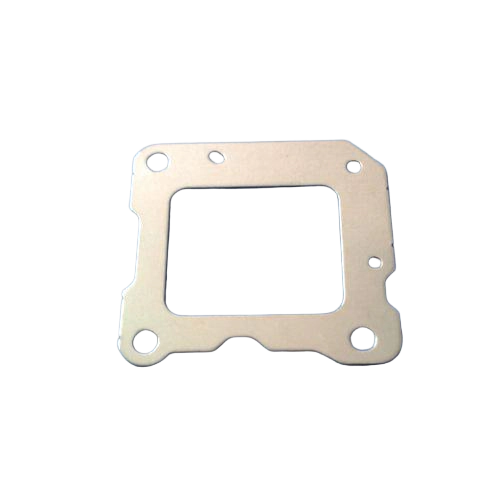
3. Dập chính xác / Dập tinh (Fine Blanking) đề cập đến các kỹ thuật đòi hỏi yêu cầu vận hành có độ chính xác cao để sản xuất các chi tiết với dung sai kích thước nghiêm ngặt và yêu cầu về chất lượng bề mặt. Dập tinh (Fine blanking) là một quy trình chính xác chuyên biệt tạo ra các chi tiết có độ chính xác cao với dung sai chặt chẽ và cạnh cắt sạch, đạt chất lượng cắt xén.
Dập chính xác có sự giao thoa với dập tinh (fine blanking) và dập nổi (coining). Xemcác hoạt động dập tinh (fine blanking), Dập sâu phức tạp trong dập chính xácvàtạo hình dày cục bộcho các chi tiết kỹ thuật.
Khác với dập cắt phôi thông thường, dập cắt tinh sử dụng vòng chặn hình chữ V (V-ring stinger) bao quanh chày dập cắt để kẹp chặt vật liệu, mang lạicạnh mịn, không nứt gãy không có gờ hoặc vết nứt khuôn.
Phù hợp nhất cho:
- Chi tiết dạng phẳng hoặc nông với biên dạng phức tạp
- Các chi tiết yêu cầu dung sai chặt chẽ và cạnh sắc sạch
- Các chi tiết tương thích chặt chẽ với các linh kiện lắp ghép
Ứng dụng điển hình: Các chi tiết cơ khí chính xác, chi tiết dập chịu tải, phôi bánh răng, và các chi tiết cho ngành ô tô hoặc hàng không vũ trụ
Lợi thế chính:
- Chất lượng mép đồng đều ngay sau khi dập
- Giảm nhu cầu gia công hoàn thiện thứ cấp
- Độ chính xác kích thước đáp ứng các thông số kỹ thuật khắt khe
Những yếu tố cần cân nhắc chính:
- Chi phí đầu tư ban đầu cho khuôn cao hơn
- Tốt nhất khi các thông số kỹ thuật về hiệu suất gần như không cho phép bất kỳ sự thỏa hiệp nào
Tóm tắt lựa chọn quy trình
| Quy trình | Quy trình | Hình học | Sản lượng | Dung sai |
|---|---|---|---|---|
| Chi phí chế tạo khuôn | Khuôn dập liên hoàn | Chi tiết phức tạp, đa đặc tính kỹ thuật | Cao | Từ tiêu chuẩn đến dung sai chặt |
| Cao | Dập sâu | Hình trụ rỗng, sâu | Trung bình đến cao | Chặt chẽ |
| Cao | Dập tinh (Fine blanking) | Biên dạng phẳng, nông, phức tạp | Trung bình đến cao | Rất chính xác |
Nguyên tắc lựa chọn:Hãy bắt đầu từ chi tiết, không phải từ quy trình. Xác định hình học, yêu cầu dung sai, sản lượng hàng năm và các nguyên công phụ trợ trước khi quyết định lựa chọn quy trình.
Nếu bạn đang cân nhắc các phương án công nghệ cho một dự án mới, hãy bắt đầu vớiTổng quan về năng lực dập kim loạivà gửi bản vẽ cho đội ngũ kỹ sư của chúng tôi — quy trình phù hợp phụ thuộc vào hình học, vật liệu, dung sai và sản lượng hàng năm.
Phần Hai: Vật liệu cho Dập kim loại
Việc lựa chọn vật liệu quyết định khả năng tạo hình, độ mài mòn của khuôn, giá thành chi tiết và hiệu suất cuối cùng của sản phẩm. Chọn đúng mác vật liệu có thể là sự khác biệt giữa một quy trình sản xuất suôn sẻ và tình trạng dừng máy tốn kém.Việc lựa chọn vật liệu phù hợp có thể tạo nên sự khác biệt giữa một quy trình sản xuất suôn sẻ và những chậm trễ tốn kém.
Thép không gỉThép không gỉ
Thép không gỉ là hợp kim được ưu tiên hàng đầu cho gia công dập, với hàm lượng crôm trên 10,5%, niken từ 8-10%, cùng các nguyên tố hợp kim khác.Thép không gỉ là hợp kim thép phổ biến nhất cho quá trình dập, bao gồm hơn 10,5% crôm, 8-10% niken và các nguyên tố hợp kim khácCác mác thép dập thông dụng:
301, 302, 305, 316, 321, 410, 420, 440A, 17-4 PH, 17-7 PHCác mác thép dập thông dụng:Thuộc tính chính:
Đặc tính chính:
Độ bền cơ học cao và khả năng chống ăn mòn tốt- Bề mặt hoàn thiện sạch và đáp ứng từ tính
- Dòng 300 (austenit) mang lại khả năng tạo hình tuyệt vời cho các chi tiết dập sâu
- Dòng 300 (austenit) mang lại khả năng tạo hình tuyệt vời Phù hợp nhất cho:
Phù hợp nhất cho:Nhôm
Nhôm mang lại tỷ lệ độ bền trên khối lượng cao cùng khả năng tạo hình tốt, khả năng chống ăn mòn và hiệu suất dập sâu vững chắc.
Các mác thép dập thông dụng: 1100, 3003, 5052, 5005, 5083, 6061, 6063
Các mác thép dập thông dụng:1100
- 1100 (nhôm nguyên chất): Độ dẻo cao, lý tưởng cho quá trình dập sâu
- 5052Cân bằng giữa độ bền và hiệu suất dập
- 6061Có thể nhiệt luyện, phù hợp cho các chi tiết kết cấu
Phù hợp nhất cho:Vỏ linh kiện điện tử, chi tiết ô tô nhẹ hóa, vỏ bọc pin, tản nhiệt
Đồng và Hợp kim Đồng
Đồng có tính dẻo, dẫn điện, chống ăn mòn và tạo thành một lớp màng bảo vệ trên bề mặt khi tiếp xúc với môi trường.
Các mác thép phổ biến: C101, C110 (đồng nguyên chất); C17200 (đồng beryllium); C51900 (đồng phosphor)
Phù hợp nhất cho: Thanh cái điện, dây dẫn tổn thất thấp, linh kiện thiết bị công nghiệp, linh kiện van điện từ
Vật liệu khác
Năng lực dập sâu của Balford còn mở rộng đến titan, hợp kim titan, hợp kim Monel, hợp kim nền niken, hợp kim Kovar và thép InvarNhững vật liệu chuyên dụng này đáp ứng các ứng dụng khắt khe trong ngành hàng không vũ trụ, y tế và môi trường nhiệt độ cao.
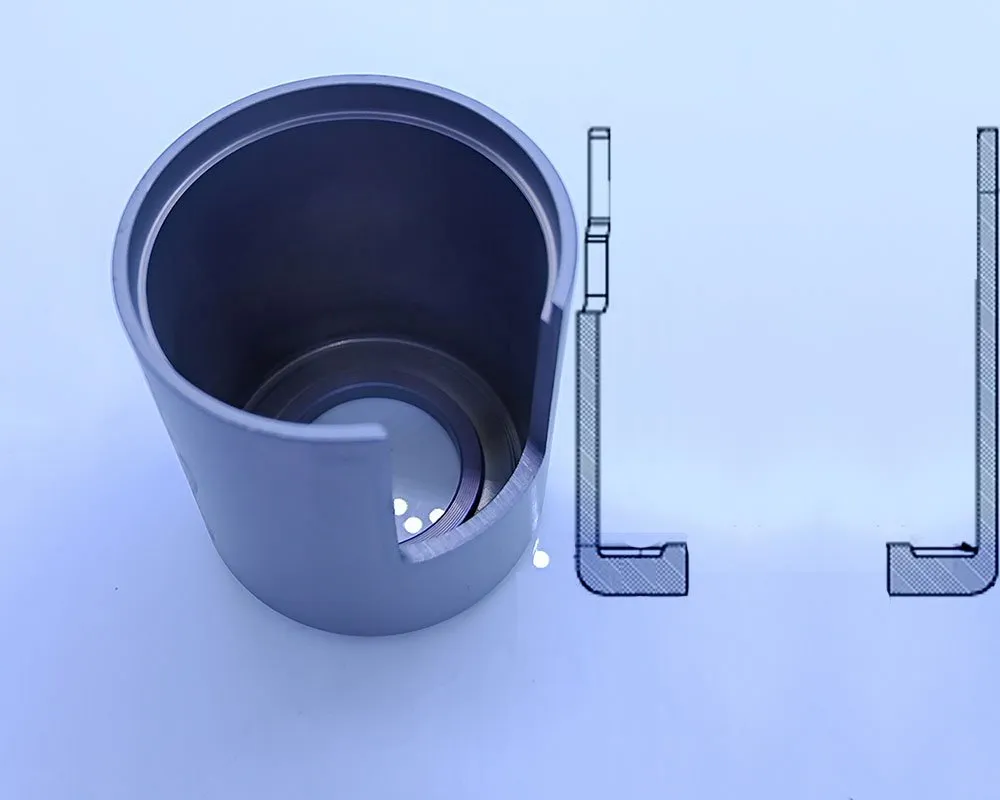
Việc lựa chọn vật liệu quyết định khả năng tạo hình, chi phí và hiệu suất. Đối với các hợp kim đặc biệt, hãy xem so sánh của chúng tôi vềSo sánh titan TA1 và TA2 cho gia công dậpvàHướng dẫn vật liệu.
Danh mục kiểm tra lựa chọn vật liệu
Khi đánh giá vật liệu cho một dự án dập, hãy xem xét:
- Yêu cầu cơ khíĐộ bền, độ cứng, khả năng chống mỏi
- Các yếu tố môi trườngPhơi nhiễm ăn mòn, dải nhiệt độ
- Khả năng tạo hìnhVật liệu có thể chịu được mức biến dạng yêu cầu không?
- Độ nhẵn bề mặtBề mặt sau dập có đạt yêu cầu không, hay cần xử lý sau dập?
- Chi phíChi phí vật liệu + chi phí gia công + hao mòn khuôn
- Thời gian giao hàng: Nguồn cung và tính sẵn có của vật liệu
Phần Ba: Thiết kế để sản xuất hiệu quả (DFM) trong dập kim loại
Áp dụng các nguyên tắc DFM ngay từ đầu sẽ giúp cắt giảm chi phí chế tạo khuôn, giảm phế phẩm và duy trì sản xuất ổn định. Hãy đưa đối tác dập khuôn của bạn tham gia ngay từ giai đoạn thiết kế—khi họ có thể xem xét hình học chi tiết ban đầu—để tránh phải làm lại tốn kém và thay đổi khuôn về sau.
Thiết kế uốn
- Bán kính uốn: Nên có ít nhấtGấp 1,0 đến 1,5 lần độ dày vật liệu
- Chiều cao uốn: Được đo từ điểm tiếp xúc của bán kính tạo hình, phải đạt tối thiểu2,5 lần chiều dày vật liệu
- Vị trí lỗ: Đặt các lỗ cách nhau ít nhấtCách vị trí uốn 1,5 lần độ dày vật liệu
- Các mối uốn quan trọngThiết kế các mối uốn quan trọng sao cho đường uốn vuông góc với hướng thớ vật liệu. Điều này giúp giảm thiểu nguy cơ nứt dọc theo bán kính uốn và nâng cao độ bền tổng thể của chi tiết.
Thiết kế lỗ và rãnh
- Độ sâu không được vượt quáGấp 2 lần đường kính
- Bán kính tối thiểu phải đạt ít nhất6 lần độ dày vật liệu
Nguyên tắc DFM chung cho dập tấm
Từ hướng dẫn kỹ thuật của Balford:
- Thiết kế để lắp ráp: Các chi tiết dập phải đáp ứng yêu cầu hiệu suất chức năng của mục đích sử dụng cuối cùng đồng thời vẫn đảm bảo dễ dàng lắp ráp. Tránh các đặc điểm không cần thiết gây phức tạp cho việc xử lý hoặc liên kết.Các chi tiết dập phải đáp ứng các yêu cầu về hiệu suất kỹ thuật cho mục đích sử dụng và dễ dàng lắp ráp. Tối ưu hóa hiệu suất sử dụng vật liệu: Tối ưu bố trí chi tiết trên dải để nâng cao hiệu suất kim loại, giảm phế liệu và tiến tới sản xuất không chất thải. Điều này trực tiếp giảm chi phí trên từng chi tiết.
- Tối ưu hóa hiệu quả sử dụng vật liệuĐơn giản hóa hình học: Giữ hình dạng và đặc điểm chi tiết càng đơn giản càng tốt. Hình học đơn giản giúp giảm độ phức tạp của khuôn, tăng tốc độ chế tạo dụng cụ và cải thiện thời gian hoạt động của máy ép.
- Chỉ định dung sai phù hợp: Hãy đưa ra dung sai lỏng nhất vẫn đáp ứng được yêu cầu chức năng. Dung sai chặt hơn mức cần thiết sẽ làm tăng phế phẩm và đẩy chi phí lên cao mà không mang lại giá trị gia tăng.Các hình dạng đơn giản và kết cấu hợp lý giúp đơn giản hóa thiết kế khuôn dập và nâng cao hiệu quả sản xuất Thiết kế để kéo dài tuổi thọ khuôn: Đảm bảo hình học chi tiết tương thích với kết cấu khuôn chắc chắn. Tránh các góc nhọn, các đặc điểm sâu và hẹp, hoặc các phần mỏng làm tăng tốc độ mài mòn dụng cụ và rút ngắn chu kỳ bảo trì khuôn.
- Chỉ định dung sai phù hợp: Hãy sử dụng độ chính xác kích thước thấp nhất vẫn đáp ứng được các yêu cầu chức năng — điều này giúp giảm phế phẩm và đảm bảo chất lượng ổn định Khi nào nên hợp tác với đối tác dập kim loại của bạn
- Thiết kế để tối ưu tuổi thọ khuônThời điểm lý tưởng: Trong giai đoạn
Khi nào nên hợp tác với đối tác dập kim loại của bạn
Thời điểm lý tưởng: Trong quá trình Giai đoạn thiết kế ý tưởng và thiết kế sơ bộ, trước khi đưa ra bất kỳ cam kết nào về dụng cụ. Các câu hỏi chính cần thảo luận:
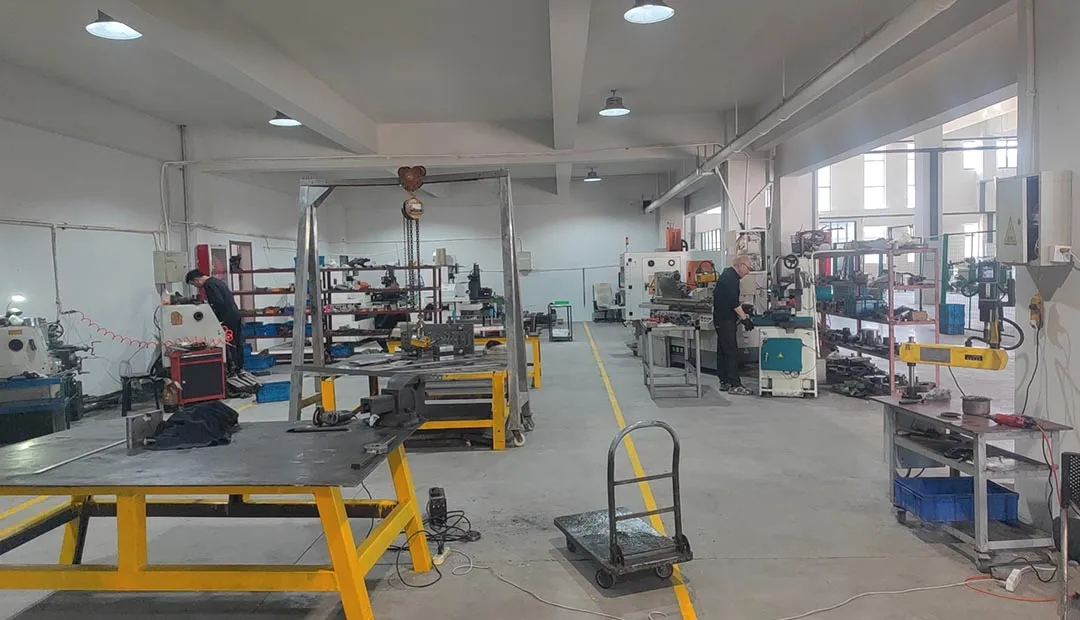
Balford tự thiết kế và chế tạo khuôn mẫu nội bộ, giúp rút ngắn chu trình từ thiết kế đến mẫu thử và kiểm soát chi phí khuôn. Chúng tôi cung cấp hướng dẫn DFM thực tiễn cho các nhóm chi tiết phổ biến trongHướng dẫn thiết kế vòng đệm dập nguộivàTổng quan về 25 phương pháp gia công chế tạo.
- Việc chế tạo khuôn sẽ khó khăn đến mức nào?
- Có thể gia công lại chi tiết để đơn giản hóa quá trình sản xuất không?
- Các yếu tố chi phí chính trong thiết kế hiện tại là gì?
Phần Bốn: Ứng Dụng Trong Ngành
Dập kim loại đóng vai trò then chốt trong nhiều ngành công nghiệp, mỗi ngành đều có những yêu cầu riêng.
Ô tôÔ tô
Ngành công nghiệp ô tô phụ thuộc vào công nghệ dập để tạo ra các chi tiết bền bỉ, nhẹ. Các ứng dụng chính bao gồm:Ngành công nghiệp ô tô dựa vào công nghệ dập để tạo ra các chi tiết bền bỉ nhưng vẫn nhẹ. Các ứng dụng chính bao gồm:
- Vỏ van điện từ
- Vỏ van điện từ Vỏ cảm biến
- Vỏ cảm biến Vỏ động cơ
- Vỏ động cơ Linh kiện phanh
- Linh kiện phanh Chi tiết kết cấu và giá đỡ
- Chi tiết kết cấu và giá đỡ
Sản xuất van điện từ và cảm biến
Dập vuốt sâu là quy trình được lựa chọn hàng đầu để sản xuất linh kiện van điện từ và cảm biến với số lượng lớn. Các dạng hình học này rất phù hợp với khuôn dập vuốt sâu, và các chi tiết dập mang lại đặc tính cơ học và từ tính mà những ứng dụng này yêu cầu.
Các chi tiết dập tiêu biểu trong lĩnh vực này:
- Khung và giá đỡ van điện từ
- Gông từ và chi tiết cực từ
- Vỏ van và chi tiết giữ
- Vỏ van điện từ
- Vỏ cảm biến
Ngành Y tế
Ngành Y tếCác ứng dụng y tế đòi hỏi độ chính xác, độ sạch và khả năng tương thích vật liệu. Các chi tiết dập vuốt sâu đáp ứngCông việc trong lĩnh vực y tế đòi hỏi dung sai chặt chẽ, quy trình xử lý sạch và vật liệu tương thích sinh học. Các chi tiết được dập sâu được sử dụng trong
:- Dụng cụ phẫu thuật Dụng cụ phẫu thuật
- Vỏ thiết bị y tế Vỏ thiết bị y tế
- Linh kiện cho thiết bị cấy ghép (với vật liệu phù hợp) Linh kiện cho thiết bị cấy ghép (với vật liệu đã được phê duyệt)
Hàng không vũ trụ
Hàng không vũ trụ:
Các thông số kỹ thuật hàng không vũ trụ đòi hỏi các chi tiết nhẹ, có độ bền cao, cùng khả năng truy xuất nguồn gốc và kiểm soát chất lượng nghiêm ngặt- :
- Linh kiện kết cấu máy bay
- Vỏ cảm biến hàng không
- Linh kiện hợp kim chuyên dụng
Điện tử
Sản xuất điện tử phụ thuộc vào dập chính xác cho:
- Vỏ ngoài
- Đầu nối
- Tấm chắn EMI
- Tản nhiệt
Phần Năm: Tiêu Chuẩn Chất Lượng và Những Gì Cần Mong Đợi từ Đối Tác Dập Khuôn
Chứng nhận chất lượng
Đối với người mua B2B, các chứng nhận chất lượng là yếu tố không thể thương lượng. Balford đã duy trì Chứng nhận ISO9001 từ năm 2017, với nhân sự chất lượng thực hiện Các kiểm tra theo tiêu chuẩn IATF 16949 trong quá trình sản xuất.
Quy trình Kiểm soát Chất lượng
Một hệ thống chất lượng vững chắc bao gồm:
- Tiền sản xuấtPhê duyệt chi tiết đầu tiên bởi đội ngũ kỹ thuật và chất lượng
- Trong quá trình sản xuất: Các kiểm tra kích thước và bề mặt được thực hiện theo khoảng thời gian định sẵn trong suốt quá trình sản xuất.: Các phép đo kích thước và ngoại quan thường xuyên trong quá trình sản xuất Giám sát của người vận hành: Nhân viên sản xuất thực hiện kiểm tra trực quan và kích thước ngay trên dây chuyền khi các chi tiết được đưa ra khỏi dây chuyền.
- Giám sát vận hànhKiểm tra của đội ngũ chất lượng: Các hoạt động kiểm tra được thực hiện theo quy trình phù hợp với tiêu chuẩn IATF 16949, bao gồm các đặc tính quan trọng và kiểm soát quá trình.
- Kiểm tra chuyên biệt: Phòng phân loại và kiểm tra riêng biệt được thiết lập để xác minh chất lượng một cách kỹ lưỡng và có phương pháp.Kiểm tra theo tiêu chuẩn IATF 16949
- Tài liệu và Hỗ trợPhòng phân loại và kiểm tra chuyên dụng để kiểm soát chất lượng tỉ mỉ Đối với người mua nước ngoài, tài liệu đầy đủ là điều đương nhiên. Quý khách có thể mong đợi sự hỗ trợ bao gồm:
Tài liệu và Hỗ trợ
Tài liệu PPAP (Quy trình phê duyệt chi tiết sản xuất) — thông thường ở Cấp độ 3 trừ khi Quý khách có yêu cầu khác.Đối với người mua quốc tế, tài liệu đầy đủ là yếu tố thiết yếu. Quý khách sẽ nhận được hỗ trợ bao gồmTuân thủ IMDS (Hệ thống Dữ liệu Vật liệu Quốc tế) — được nộp trực tiếp nếu chi tiết của bạn yêu cầu.
- Tài liệu tuân thủ RoHS — khai báo vật liệu và báo cáo thử nghiệm theo yêu cầu.
- Tài liệu PPAPBáo cáo thử nghiệm phun muối — theo tiêu chuẩn ASTM B117 hoặc tiêu chuẩn do Quý khách chỉ định.
- Báo cáo kiểm tra độ dày lớp phủ/mạ — kèm số liệu đo từ thiết bị đã hiệu chuẩn. Tuân thủ (Hệ thống Dữ liệu Vật liệu Quốc tế)
- Bảo mật tài liệu tuân thủ Đối với các linh kiện tùy chỉnh, Thỏa thuận Bảo mật (NDA) là quy trình tiêu chuẩn tại đây. Chúng tôi ký kết ngay từ đầu để bảo vệ bản vẽ, thông số vật liệu và nguyên mẫu của quý khách.
- Báo cáo thử nghiệm phun muối
- Báo cáo kiểm tra độ dày lớp phủ/mạ
Bảo mật
Khi làm việc với các linh kiện tùy chỉnh, Thỏa thuận bảo mật (NDA) nên là thông lệ tiêu chuẩn để bảo vệ bản vẽ, vật liệu và nguyên mẫu của khách hàng.
Phần Sáu: Vì sao nên hợp tác với nhà sản xuất dập chính xác tại Trung Quốc
Trung Quốc đã trở thành trung tâm toàn cầu vềDập kim loại chính xác, mang lại nhiều lợi thế vượt trội cho các nhà mua hàng B2B quốc tế.
Hiệu quả chi phí
Các nhà sản xuất Trung Quốc mang đến mức giá cạnh tranh mà không hề cắt giảm chất lượng. Lợi thế đến từ sự kết hợp của:
- Chuỗi cung ứng nguyên vật liệu ổn định
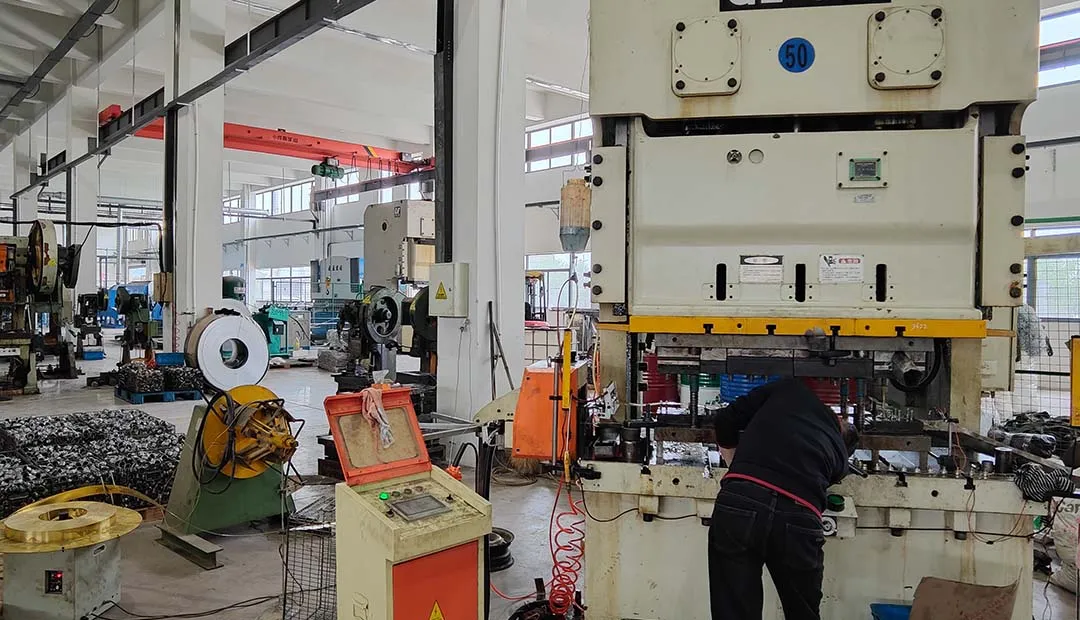
- Thiết bị ép hiện đại, được bảo dưỡng tốt
- Đội ngũ kỹ sư và chế tạo khuôn mẫu lành nghề
- Lợi thế theo quy mô
Năng lực kỹ thuật
Balford tập trung vào dập vuốt và dập đột chính xác cao, quy mô nhỏ đến vừa, độ khó gia công cao, với chuyên môn cụ thể về các quy trình dập sâu phức tạp.
Năng lực cốt lõi bao gồm:
- Dập phôi, uốn, dập nổi, tạo hình, đột lỗ, kéo sâu, xẻ rãnh
- Vật liệu: Thép, đồng, nhôm và các hợp kim khác nhau
- Các ngành công nghiệp: Ô tô, y tế, điện tử, công nghiệp
Thành tích đã được chứng minh
Kinh nghiệm là yếu tố quyết định. Balford sở hữuhơn mười năm kinh nghiệmsản xuất vỏ động cơ, vỏ van điện từ và vỏ cảm biếnNhiều khách hàng đã duy trì quan hệ hợp tác trong5-8 năm hoặc hơn, vớitỷ lệ giao hàng muộn và hàng trả lại luôn ở mức thấp.
Hợp tác quốc tế
Các mối quan hệ hợp tác lâu dài với các công ty quốc tế là minh chứng cho năng lực và độ tin cậy của chúng tôi:
- Facet S.r.l (Ý)
- Sensor Technik GmbH (Đức)
- Solenoid System Inc. (Hoa Kỳ)
- Công ty Sản xuất Điện Standard (Hoa Kỳ)
- FACET Srl, Senso Tech GmbH, Four Seasons (các đối tác bổ sung)
Phần Bảy: Hiểu Về Chi Phí Dập Kim Loại

Chi phí thường là câu hỏi đầu tiên mà bộ phận thu mua đặt ra, và câu trả lời trung thực là:Giá cả được quyết định bởi bản vẽ, vật liệu, số lượng và phương án dung sai— không phải theo mức giá mỗi kilôgam. Năm yếu tố chính chi phối mọi báo giá:
- Dụng cụ gia công.Khuôn dập liên hoàn và khuôn chuyển tiếp là khoản đầu tư ban đầu lớn nhất. Chi phí khuôn phụ thuộc vào kích thước chi tiết, số lượng đặc điểm, độ dày vật liệu, dung sai và tuổi thọ khuôn dự kiến. Khuôn được thiết kế tốt sẽ được phân bổ chi phí trên toàn bộ chương trình sản xuất.
- Vật liệu.Mác vật liệu, độ dày, tình trạng bề mặt và mức độ tận dụng chiều rộng cuộn là những yếu tố chi phối phần lớn chi phí đơn vị. Việc lồng phôi và tái chế phế liệu được tính toán ngay từ khâu thiết kế quy trình, chứ không phải giải pháp bổ sung sau đó.
- Số lượng.Sản lượng lớn biện minh cho việc đầu tư dụng cụ chuyên dụng và tự động hóa; sản lượng nhỏ thường phù hợp hơn với dụng cụ đơn giản, dụng cụ mềm hoặc quy trình sản xuất ngắn hạn.
- Dung sai và kiểm tra.Dung sai chặt chẽ, chuẩn định vị chức năng và kiểm tra thống kê làm tăng chi phí kiểm soát quá trình, đo lường và tài liệu.
- Các công đoạn gia công thứ cấp.Khoan ren, mài ba via, mạ điện, phủ lớp, xử lý nhiệt, hàn hoặc lắp ráp đều được báo giá như một phần của quy trình hoàn chỉnh—và chúng thường làm thay đổi dung sai dập mà bạn có thể đạt được.
Để tìm hiểu chi tiết về cách định giá các chi tiết dập—bao gồm sự khác biệt giữa giá báo và chi phí thực tế—hãy đọc bài viết của chúng tôiCách Tính Giá Linh Kiện Dập ĐộtMột báo giá đầy đủ cần tách riêng chi phí dụng cụ, đơn giá, kiểm tra, đóng gói và logistics để bạn có thể so sánh các nhà cung cấp trên cùng một cơ sở.
| Yếu tố chi phối chi phí | Ảnh hưởng điển hình | Những thông tin cần chia sẻ với nhà cung cấp |
|---|---|---|
| Dụng cụ | Vượt trội ở sản lượng thấp; tối ưu chi phí ở sản lượng cao | Mô hình 3D + bản vẽ 2D được kiểm soát, vật liệu, số lượng |
| Vật liệu | 15–40% chi phí đơn vị tùy theo mác vật liệu | Mác vật liệu, trạng thái nhiệt luyện, độ dày, tình trạng bề mặt |
| Số lượng | Định hướng lựa chọn quy trình và dụng cụ | Sản lượng hàng năm, kích thước lô, kế hoạch tăng tốc sản xuất |
| Dung sai | Tăng thêm rủi ro về kiểm soát, đo lường và làm lại | Kích thước quan trọng, chuẩn định vị, ký hiệu GD&T |
| Hoàn thiện & các công đoạn phụ | Tăng 10–30% vào chi phí đơn vị | Tiêu chuẩn hoàn thiện, che phủ, các công đoạn gia công tiếp theo |
Phần Tám: Dung sai và Xử lý bề mặt
Không có một "dung sai dập" duy nhất—năng lực phụ thuộc vào vật liệu, độ dày, loại đặc điểm, quy trình tạo khuôn và phương pháp đo lường. Bảng dưới đây là điểm khởi đầu thực tế cho các chi tiết thép dập; hãy xác nhận các giá trị cụ thể theo bản vẽ với nhà cung cấp trong quá trình xem xét kỹ thuật.
| Tính năng | Năng lực tổng quát | Năng lực chính xác cao hơn | Ghi chú |
|---|---|---|---|
| Đường kính lỗ | ±0,05 mm | ±0,02 mm | Phụ thuộc vào khe hở giữa chày và cối cũng như mác vật liệu bạn đang gia công |
| Vị trí lỗ | ±0.08 mm | ±0,04 mm | Khuôn dập liên hoàn giữ vị trí lỗ chính xác hơn so với các nguyên công đột phôi và đột lỗ riêng biệt |
| Góc uốn | ±0.5° | ±0.25° | Bù đàn hồi và bước dập tinh trong khuôn giúp giữ góc chính xác |
| Độ phẳng | 0,1–0,3 mm trên 100 mm | Có thể cần đến nguyên công dập giãn hoặc dập lại để kéo chi tiết vào đúng hình dạng | Tình trạng vật liệu và hướng thớ ảnh hưởng đến cách nó định vị |
| Cạnh cắt | Ba via nằm trong dung sai dập vuốt | Dập tinh (fine blanking) hoặc mài tinh (shaving) sẽ giúp đạt được dung sai chặt chẽ hơn | Hãy chỉ định hướng ba via—điều này rất quan trọng đối với việc lắp ráp và xử lý |
Độ hoàn thiện bề mặt là một thông số kỹ thuật riêng biệt so với kích thước. Các lựa chọn điển hình bao gồm mài ba via, đánh bóng rung, mạ kẽm hoặc mạ niken, sơn tĩnh điện, anod hóa trên nhôm, thụ động hóa trên thép không gỉ và che phủ tùy chỉnh. Xin lưu ý rằng độ dày lớp hoàn thiện có thể làm hẹp các lỗ lắp ép và ảnh hưởng đến độ khớp ren, vì vậy hãy chốt yêu cầu hoàn thiện ngay từ bước RFQ—xemHướng dẫn dung saiđể xem toàn bộ thông tin chi tiết.
Phần Chín: Dập kim loại so với các quy trình thay thế
Dập không phải lúc nào cũng là lựa chọn đúng đắn. Bộ phận thu mua nên cân nhắc so sánh với gia công CNC, đúc và sản xuất bồi đắp về chi phí, thời gian giao hàng, lựa chọn vật liệu và sản lượng trước khi quyết định:
| Tiêu chí | Dập kim loại | Gia công CNC | Đúc | In 3D (in 3D) |
|---|---|---|---|---|
| Sản lượng tối ưu | Trung bình–rất cao | Mẫu thử – khối lượng vừa | Cao (chi phí khuôn) | Mẫu thử – số lượng nhỏ |
| Xu hướng chi phí đơn vị | Giảm mạnh khi khối lượng tăng | Hầu hết là các hình dạng phẳng, do đó thời gian thiết lập máy quyết định chi phí nhiều hơn so với thời gian chu kỳ. | Đơn giá giảm khi sản lượng tăng, đặc trưng của các lô dập. | Chi phí trên mỗi chi tiết cao hơn so với dập ở sản lượng lớn. |
| Chi phí ban đầu chủ yếu nằm ở việc chế tạo và chạy thử khuôn. | Chi phí chế tạo và nghiệm thu khuôn dập tiến (progressive die) và khuôn chuyển (transfer die) cho sản lượng cao là rất lớn. | Từ thấp đến trung bình—đồ gá và jig đơn giản và rẻ hơn so với khuôn dập. | Khuôn ép nhựa cao cấp rất tốn kém và cần thời gian giao hàng đáng kể. | Không cần dụng cụ chế tạo cho việc cắt laser hoặc waterjet tiêu chuẩn. |
| Thời gian giao hàng điển hình cho các chi tiết mẫu đầu tiên kể từ khi đặt hàng. | 15–60 ngày cho thiết kế khuôn, chế tạo khuôn và phê duyệt mẫu, tùy thuộc vào loại khuôn. | 7–15 ngày đối với các chi tiết gia công đơn giản hoặc phôi cắt laser. | 6–10 tuần đối với sản phẩm đúc, bao gồm cả công đoạn chế tạo mẫu và khuôn. | Từ vài ngày đến một tuần đối với nguyên mẫu sản xuất nhanh hoặc chi tiết cắt. |
| Độ tự do hình học ở mức trung bình—cần có góc thoát khuôn và bán kính. | Độ tự do hình học cao, nhưng vẫn cần tính đến góc thoát khuôn và bán kính bo. | Rất cao—có thể tạo ra các đặc điểm nội thất phức tạp bằng gia công cơ khí. | Có thể đạt được hình dạng gần như hoàn thiện với độ chi tiết phức tạp ở mức rất cao. | Các lựa chọn vật liệu rất đa dạng, bao gồm vật liệu dạng cuộn và dạng tấm. |
| Chủng loại rất đa dạng—có sẵn dạng thanh, dạng tấm và hợp kim tùy chỉnh. | Bị giới hạn ở các hợp kim có thể đúc, điều này thu hẹp phạm vi lựa chọn. | Giới hạn ở một nhóm hợp kim nhỏ hơn, thường là các mác chuyên dụng. | Vật liệu rèn cho cơ tính bền vững, ổn định. | Phôi rèn có độ bền cao và tính dự đoán ổn định trong các chi tiết gia công. |
| Tính chất của vật đúc có tính định hướng và phụ thuộc vào quá trình đông đặc. | Các đặc tính thay đổi theo lớp và hướng chế tạo trong các chi tiết gia công đắp lớp. | Gia công biến dạng = bền vững | Trên thực tế, các quy trình này bổ trợ lẫn nhau. Nhiều chi tiết được dập để tạo thân, sau đó được gia công để tạo ren hoặc các lỗ khoan quan trọng. Để có khảo sát đầy đủ về các phương pháp chế tạo—bao gồm cắt, tạo hình, liên kết và hoàn thiện—xem | Gia công kim loại: 25 phương pháp chế tạo |
Trên thực tế, các quy trình này bổ trợ lẫn nhau: nhiều chi tiết được dập nguội để tạo thân rồi sau đó được gia công để tạo ren hoặc các lỗ khoan quan trọng. Để có khảo sát đầy đủ về các phương pháp chế tạo, bao gồm cắt, tạo hình, liên kết và hoàn thiện, xemPhần Mười: Cách Nhận Báo Giá — Danh Sách Kiểm Tra Dành Cho Người Mua.
Một yêu cầu báo giá (RFQ) đầy đủ sẽ giúp bạn nhận được báo giá hữu ích ngay từ lần đầu tiên—và bảo vệ cả hai bên khỏi những bất ngờ về sau. Trước khi gửi yêu cầu, hãy chuẩn bị:
(PDF) và
- Bản vẽ 2D được kiểm soát(PDF) vàMô hình 3D(STEP/IGES) ở cùng phiên bản, với các kích thước quan trọng và datum chức năng được đánh dấu.
- Thông số vật liệu:mác thép, trạng thái nhiệt luyện, độ dày, tình trạng bề mặt và mọi yêu cầu chứng nhận (chứng nhận lô cán, RoHS/REACH).
- Số lượng:sản lượng hàng năm, kích thước lô, số lượng nguyên mẫu và kế hoạch tăng sản lượng dự kiến.
- Bề mặt hoàn thiện và ngoại quan:xử lý bề mặt, vùng che phủ, bề mặt thẩm mỹ và vết gia công cho phép
- Kiểm tra và tài liệu:các đặc tính quan trọng, mức lấy mẫu, kiểm tra chi tiết đầu tiên, nhu cầu PPAP hoặc chứng nhận phù hợp.
- Logistics:quốc gia đến, điều kiện Incoterms ưu tiên và các ràng buộc về đóng gói.
Sau khi bản vẽ được xem xét, nhà cung cấp sẽ xác nhận quy trình công nghệ, phương án chế tạo khuôn, kế hoạch lấy mẫu và các vấn đề còn bỏ ngỏ trước khi báo giá. Đó chính xác là cách chúng tôi làm việc tạiBalford— gửi bộ hồ sơ quaBiểu mẫu liên hệhoặc Zalo và đội ngũ kỹ thuật sẽ phản hồi với quy trình sản xuất và báo giá chính thức.
Bài viết liên quan: Câu hỏi thường gặp · Thư viện sản phẩm tiêu biểu · Cách tính giá chi tiết dập · Hướng dẫn dung sai
Phần Mười Một: Các Nghiên Cứu Điển Hình về Dập Kim Loại
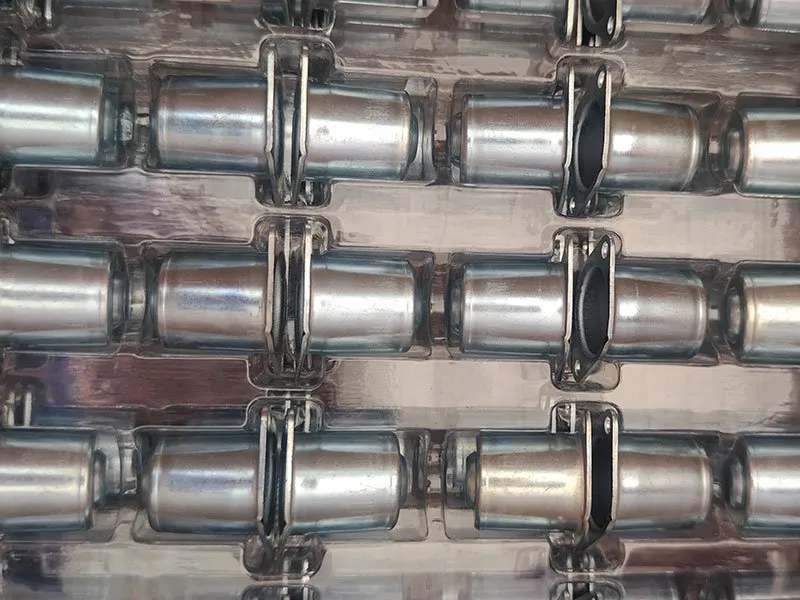
Các dự án thực tế cho thấy quá trình lựa chọn phương pháp gia công diễn ra như thế nào. Một vài ví dụ tiêu biểu từ xưởng sản xuất của chúng tôi:
- Cốc lò xo dùng cho giá đỡ lò xo van— một chi tiết dạng cốc được dập sâu, thay thế kết cấu chế tạo từ nhiều chi tiết bằng một chi tiết liền khối đồng nhất.
- Cực từ móng vi mô cho động cơ PM— một chi tiết nhỏ, phức tạp được sản xuất bằng khuôn dập liên hoàn, duy trì hình học chính xác qua khối lượng sản xuất lớn.
- Vỏ cảm biến tốc độ bánh xe ABS bằng thép không gỉ— dập sâu vỏ thép không gỉ thành mỏng với tình trạng thành được kiểm soát.
- Dập phôi long đền thép lò xo 65Mn—dập phôi chính xác cho chi tiết thép lò xo cacbon cao, với kiểm soát chặt chẽ chất lượng mép và độ phẳng.
- Vòng đệm phẳng bằng đồng thau cho van điện từ—lựa chọn vật liệu và kiểm soát ba via cho linh kiện dẫn điện, đảm bảo hiệu suất điện và độ kín ổn định.
Xem toàn bộThư viện điển hình thành côngđể xem thêm các ví dụ trong lĩnh vực ô tô, cảm biến, van điện từ, HVAC và thiết bị công nghiệp.
Kết luận: Đưa ra lựa chọn đúng đắn cho dự án dập của bạn
Dập kim loại là phương pháp sản xuất đã được chứng minh, hiệu quả về chi phí cho sản xuất khối lượng lớn các chi tiết kim loại chính xác. Thành công phụ thuộc vào:
- Lựa chọn quy trình phù hợp phù hợp với hình học chi tiết và yêu cầu về sản lượng của bạn
- Lựa chọn vật liệu phù hợp cho các yêu cầu về cơ học và môi trường của ứng dụng bạn
- Áp dụng các nguyên tắc DFM ngay từ giai đoạn thiết kế ban đầu
- Hợp tác với một nhà sản xuất giàu kinh nghiệm những đơn vị có thể cung cấp hỗ trợ kỹ thuật, đảm bảo chất lượng và tài liệu
Đối với những nhà thu mua đang tìm nguồn cung vỏ van điện từ, vỏ cảm biến, vỏ động cơ hoặc các linh kiện dập chính xác khác, hãy tìm kiếm một đối tác có:
- Thể hiện chuyên môn sâu về quy trình cụ thể của bạn (dập sâu, dập liên hoàn hoặc dập tinh)
- Kinh nghiệm chuyên môn trong các ngành liên quan (ô tô, y tế, hàng không vũ trụ)
- Chứng nhận chất lượng (chứng nhận ISO9001, quy trình phù hợp với IATF 16949)
- Thành tích đáng tin cậy về giao hàng đúng hạn và không có lỗi sản phẩm
- Bảo mật cho các thiết kế của bạn
Câu hỏi thường gặp về dập kim loại
Dập kim loại là gì?
Dập kim loại là quá trình tạo hình nguội, trong đó khuôn dập được dẫn động bởi máy dập tạo áp lực lớn lên tấm kim loại phẳng—được cấp dưới dạng cuộn hoặc phôi tấm—để cắt, uốn hoặc kéo giãn thành hình dạng hoàn chỉnh. Đây là phương pháp tốc độ cao, có thể lặp lại để sản xuất các chi tiết chính xác.
Các loại quy trình dập kim loại chính là gì?
Ba loại chính là dập khuôn liên hoàn (nhiều trạm trên dải liên tục cho các chi tiết phức tạp, sản lượng lớn), dập vuốt sâu (tạo hình rỗng liền mạch từ phôi phẳng), và dập tinh (dập chính xác cho dung sai chặt chẽ và cạnh sạch).
Những vật liệu nào có thể được sử dụng trong dập kim loại?
Các vật liệu phổ biến bao gồm thép carbon, thép không gỉ, nhôm, đồng, đồng thau và titan, cùng với các hợp kim đặc chủng như Monel, Kovar và Invar—việc lựa chọn phụ thuộc vào yêu cầu cơ học và môi trường của ứng dụng của bạn.
Những ngành công nghiệp nào sử dụng dập kim loại?
Dập kim loại được ứng dụng rộng rãi trong ngành ô tô, thiết bị y tế, hàng không vũ trụ, điện tử và thiết bị công nghiệp—bất cứ nơi nào bạn cần các chi tiết kim loại bền bỉ, sản xuất với sản lượng lớn và chất lượng đồng nhất.
Sự khác biệt giữa khuôn dập liên hoàn và dập vuốt sâu là gì?
Dập khuôn liên hoàn (progressive die) đưa dải kim loại qua các trạm tuần tự, thực hiện các nguyên công như cắt phôi, đột lỗ và tạo hình chỉ trong một lượt chạy—lý tưởng cho các chi tiết phức tạp với sản lượng lớn. Dập vuốt sâu (deep draw) ép vật liệu vào lòng khuôn để tạo ra các hình dạng rỗng liền mạch như vỏ hộp và vỏ bọc[reference:73].
Làm thế nào để lựa chọn nhà sản xuất dập kim loại?
Hãy đánh giá các chứng nhận và tiêu chuẩn mà hệ thống chất lượng thực sự vận hành: chứng nhận ISO 9001:2015, và liệu xưởng có đáp ứng các yêu cầu IATF 16949 nếu chương trình của bạn cần. Sau đó xem xét dải thiết bị và tải trọng máy ép, năng lực PPAP, giao hàng đúng hạn, và yêu cầu mẫu chi tiết hoặc tài liệu tham khảo để xác minh năng lực. Cũng nên kiểm tra thành tích giao hàng đúng hạn của họ và yêu cầu mẫu chi tiết hoặc tài liệu tham khảo từ khách hàng để xác minh năng lực.
Dập tinh (fine blanking) là gì?
Dập tinh (fine blanking) là một phương pháp dập chính xác sử dụng một gờ hình chữ V bao quanh chày để kẹp chặt vật liệu, tạo ra các cạnh nhẵn, không bị nứt gãy mà không cần mài bavia thứ cấp. Phương pháp này lý tưởng cho các chi tiết phẳng có biên dạng phức tạp và dung sai chặt chẽ.
Dập kim loại có hiệu quả về chi phí cho sản xuất khối lượng nhỏ không?
Với khoản đầu tư dụng cụ ban đầu, dập nguội là phương án kinh tế nhất cho sản lượng trung bình đến cao—thường từ 100.000+ chi tiết mỗi năm—khi chi phí khuôn được phân bổ trên các lô sản xuất lớn, giúp giảm giá thành mỗi chi tiết. Đối với sản lượng thấp, gia công CNC hoặc chế tạo có thể tiết kiệm chi phí hơn.
Chi phí khuôn dập kim loại là bao nhiêu?
Chi phí chế tạo khuôn được báo giá theo từng dự án vì phụ thuộc vào kích thước chi tiết, số lượng đặc điểm, độ dày vật liệu, dung sai và tuổi thọ khuôn dự kiến. Một khuôn dập cắt đơn giản có thể chỉ vài nghìn đô la; một khuôn dập liên hoàn phức tạp cho linh kiện ô tô có thể cao hơn đáng kể. Điều quan trọng đối với việc lập kế hoạch chi phí là chi phí trên mỗi chi tiết trong toàn bộ chương trình—đầu tư khuôn cao hơn thường là phương án tiết kiệm nhất ở sản lượng lớn. XemCách Tính Giá Linh Kiện Dập Đột.
Thời gian giao hàng điển hình cho các chi tiết dập là bao lâu?
Thời gian giao mẫu từ 7–30 ngày kể từ khi bản vẽ được xác nhận, tùy thuộc vào quy trình, và 30–60 ngày đối với khuôn dập liên hoàn và khuôn chuyển. Đối với sản xuất lặp lại, chúng tôi tuân thủ đúng tiến độ đã thống nhất—xem thời gian giao hàng tham chiếu của Balford theo từng quy trình trongCâu hỏi thường gặp.
Tuổi thọ của một khuôn dập là bao lâu?
Khuôn dập liên hoàn sản xuất thường được chế tạo để chịu hàng trăm nghìn đến hàng triệu lần dập, với chế độ bảo trì theo lịch trình—mài sắc, vệ sinh, kiểm tra—theo các chu kỳ định sẵn. Tuổi thọ khuôn phụ thuộc vào vật liệu, mác thép làm khuôn, dầu bôi trơn và độ căn chỉnh của máy ép. Việc bảo dưỡng khuôn cần được quy định rõ ràng trong thỏa thuận cung ứng.
Quý công ty có thể sản xuất mẫu trước khi chế tạo khuôn sản xuất không?
Có. Tùy thuộc vào hình dạng chi tiết và sản lượng, Balford có thể sử dụng phương pháp nguyên mẫu, khuôn mềm hoặc khuôn tạm thời, hoặc khuôn sản xuất chính thức. Việc lấy mẫu xác minh hình dạng, độ khớp và chức năng trước khi các đơn hàng lặp lại được phê duyệt—chiến lược lấy mẫu được xác định trong báo giá.
Số lượng đặt hàng tối thiểu (MOQ) là bao nhiêu?
Không có MOQ cố định. Chúng tôi xử lý cả lô nhỏ và đơn hàng khối lượng lớn; mức tối thiểu thực tế phụ thuộc vào quy trình và dụng cụ. Hãy gửi cho chúng tôi bản vẽ và số lượng mục tiêu để xem xét—xemCâu hỏi thường gặpđể biết thêm.
Làm thế nào để đảm bảo chất lượng cho các đơn hàng lặp lại?
Chất lượng được quản lý thông qua phê duyệt mẫu đầu tiên (first article approval), kiểm tra kích thước và bề mặt trong quá trình sản xuất, kiểm tra của người vận hành và kiểm tra cuối cùng theo kế hoạch kiểm soát đã thống nhất, tuân thủ các thông lệ tương thích IATF 16949 trong hệ thống ISO9001:2015 của chúng tôi. Các đặc tính quan trọng được chốt tại bước lấy mẫu sẽ được giám sát trên từng lô hàng.
Giới thiệu về Balford
Balford là nhà sản xuất dập kim loại chính xác có trụ sở tại Trung Quốc, chuyên vềDập vuốt sâu và dập chính xáccho các ứng dụng ô tô, van điện từ, cảm biến, y tế và hàng không vũ trụ. Sản phẩm chính bao gồm vỏ van điện từ, vỏ cảm biến, vỏ động cơ và vỏ động cơ DC.
Năng lực chính:
- Hơn 10 năm kinh nghiệm tổng hợp về kỹ thuật và sản xuất trong toàn đội ngũ của chúng tôi
- Đạt chứng nhận ISO9001 từ năm 2017
- Hệ thống chất lượng tuân thủ tiêu chuẩn IATF 16949 cho sản xuất đạt cấp ô tô.
- Năng lực dập sâu trên các thiết lập khuôn đơn và dây chuyền khuôn liên hoàn cho các đơn hàng khối lượng lớn.
- Dải vật liệu bao gồm đồng, sắt, thép không gỉ, nhôm, titan và các hợp kim đặc chủng—với chứng nhận vật liệu có sẵn theo yêu cầu.
- Phục vụ các OEM trong ngành ô tô, y tế, hàng không vũ trụ, điện tử và công nghiệp với các linh kiện dập.
Liên hệ:Đối với các yêu cầu, bản vẽ hoặc tư vấn kỹ thuật, vui lòng liên hệ trực tiếp với đội ngũ kỹ thuật của Balford.
Hướng dẫn này nằm trong chuỗi nội dung của Balford về dập kim loại chính xác. Để tìm hiểu sâu hơn về các quy trình, vật liệu hoặc ứng dụng cụ thể, vui lòng xem các bài viết liên quan của chúng tôi về dập vuốt sâu, dập kim loại chính xác và các nguyên tắc thiết kế để sản xuất đối với chi tiết dập.