Шестигранные гайки и резьбовые фитинги из нержавеющей стали для газовых датчиков
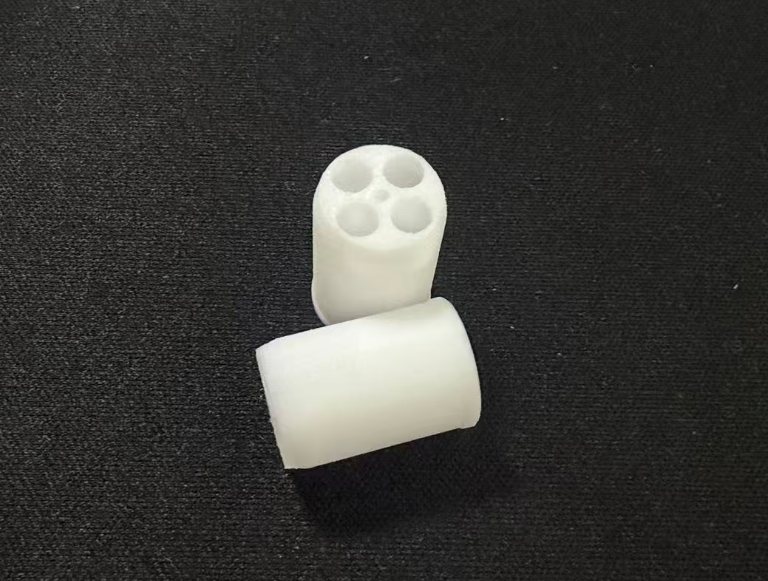
Гайка датчика — это резьбовой шестигранный корпус, который вводит чувствительный элемент газового датчика в бобышку: обеспечивает герметичность по выпускной системе или трубе, имеет грани под ключ для монтажа и удерживает отверстие, центрирующее элемент. Balford точит их из нержавеющего прутка по чертежу, в резьбах и размерах шестигранника, которые реально применяются в газовых датчиках: резьбы M12–M27 при размерах шестигранника S14–S30. Для тех же сборок мы также поставляем небольшие изоляторы из PTFE, закупаемые по чертежу у квалифицированных поставщиков, а не изготавливаемые на нашем производстве.
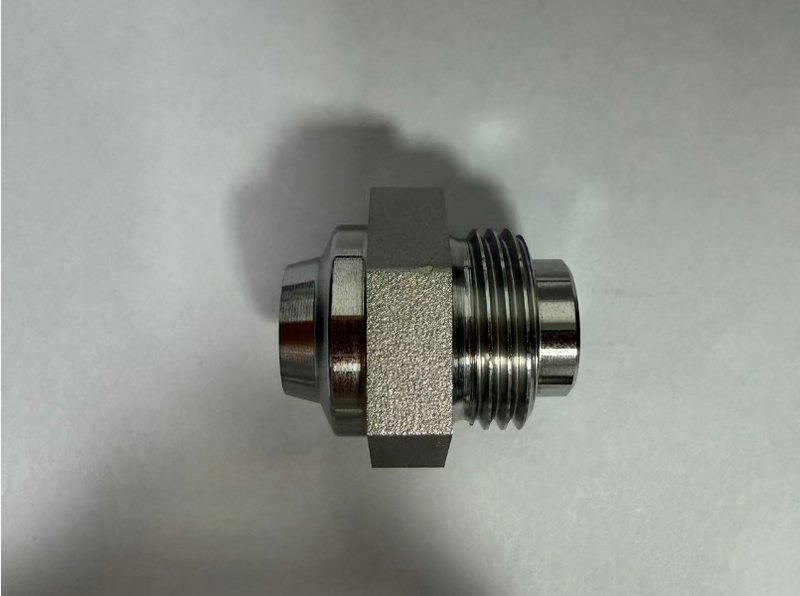
Семейства, которые мы точим
| Семейство датчиков | Резьба | Размер под ключ | Материал | Типовая высота |
|---|---|---|---|---|
| Датчик кислорода (автомобильный) | M18 | S22 | Нержавеющая сталь 430F / 430 | 24,8–29,5 мм |
| Датчик кислорода (мотоциклетный) | M12 | S14 / S17 | Нержавеющая сталь 430F | 16,5–23,9 мм |
| Датчик оксидов азота (NOx) | M20 / M22 / M27 | S22 / S24 / S30 | Нержавеющая сталь 304 / 430 | 13,5–36,3 мм |
| Датчик температуры отработавших газов | M14 | S17 | Нержавеющая сталь 304 | 13–18 мм |
| Прочие фитинги для датчиков | по чертежу | по чертежу | PTFE (покупное) | 11 - 20.5 мм |
Наружные диаметры по диапазону — примерно от 10.5 мм до 25 мм, отверстия — примерно от 1.8 мм до 16.5 мм. Каждая позиция — нестандартная деталь: резьбу, отверстие, уплотнительную поверхность и шестигранник определяет чертеж.
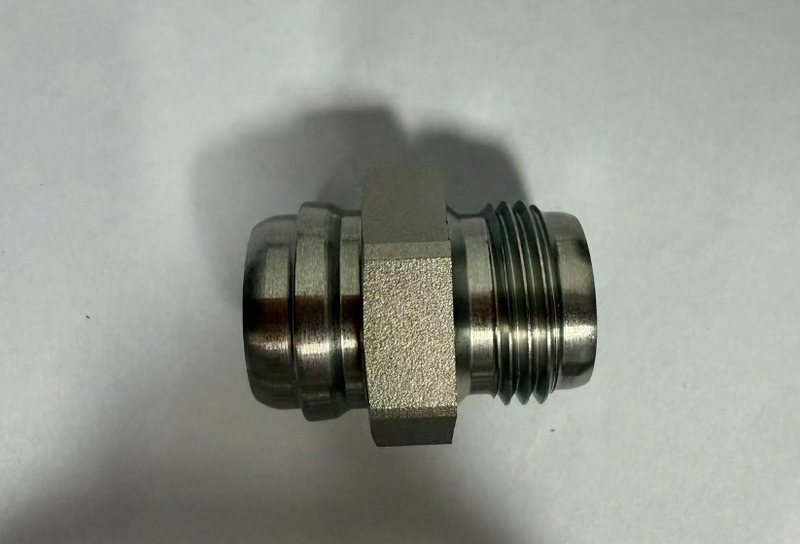
Как их изготавливают: токарная обработка с ЧПУ из прутка
Это токарные детали, а не вытянутые или штампованные. Круглый пруток обрабатывается на токарных станках с ЧПУ за один или два установа, чтобы резьба, грани шестигранника, отверстие и уплотнительная поверхность оставались соосными друг другу — в этом и смысл детали: шестигранная гайка, не соосная своему отверстию, не обеспечит перпендикулярную посадку датчика.
- Точение и нарезание резьбы на токарных станках с ЧПУ; отверстие и резьба выполняются от одной базы
- Прутковый материал закупается; точение, сверление, нарезание резьбы и контроль выполняются на собственном производстве
- Штампованные заготовки также обрабатываются на собственном производстве, если деталь лучше начинать со штамповки
- Типовой срок изготовления новой токарной детали: от 7 до 15 календарных дней с момента подтверждения чертежа
- Покупное, у нас не производится: PTFE-изоляторы и втулки на этой странице, а также массовая термообработка, низкоскоростная проволочная электроэрозионная обработка, пассивация, электрохимическая полировка, гальваническое покрытие, фосфатирование и жидкая окраска. Порошковая окраска разделена: крупные детали из листового металла проходят в нашей собственной ручной окрасочной камере, мелкие детали окрашивает партнер на автоматической линии. Горячая штамповка, холодное выдавливание, холодная высадка, литьё и порошковая металлургия закупаются как предзаготовки, близкие к конечной форме, и доводятся механической обработкой на собственном производстве.
Подробнее о механической обработке — см. Услуги механической обработки с ЧПУ и токарная обработка с ЧПУ.
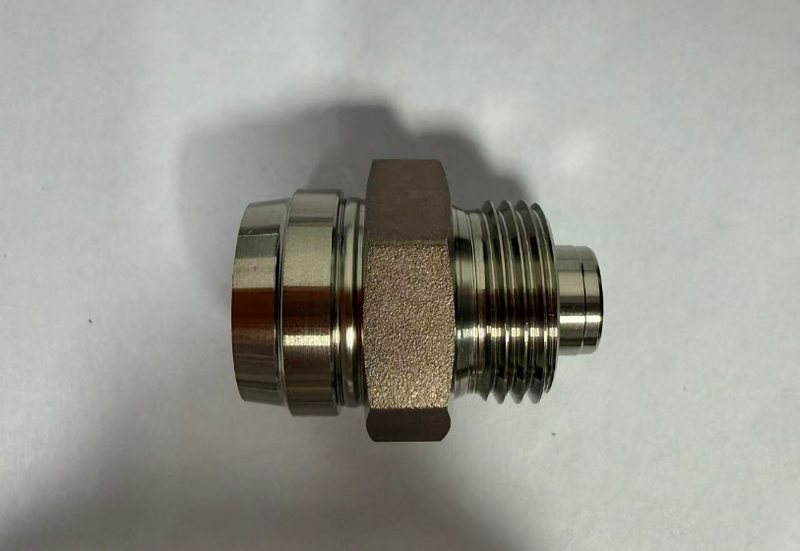
Материалы
- 430F - автоматная ферритная нержавеющая сталь. Обычный выбор для шестигранных гаек кислородных датчиков: чисто обрабатывается, хорошо нарезается и противостоит коррозии в выхлопных газах без затрат на никель, характерных для 304.
- 430 - то же ферритное семейство, но без добавок для улучшения обрабатываемости; применяется там, где деталь формуется, а не подвергается интенсивному точению.
- 304 - аустенитная нержавеющая сталь, применяется в фитингах для датчиков NOx и температуры отработавших газов, где стойкость к высокотемпературной коррозии важнее обрабатываемости.
- PTFE - материал, который мы не обрабатываем. PTFE-изоляторы и втулки, используемые в этих сборках, закупаются по чертежу у аттестованных поставщиков и поставляются вместе с нашими токарными деталями из нержавеющей стали. Они электроизолирующие, имеют низкий коэффициент трения и устойчивы к конденсату отработавших газов; чертеж и марку материала согласовывают с поставщиком до приемки партии.
Где применяются эти детали
- Датчики NOx и оксидов азота
- Кислородные датчики и лямбда-зонды
- Кислородные датчики для мотоциклов
- Датчики температуры отработавших газов
- Корпуса датчиков температуры и корпуса датчиков глубокой вытяжки — детали, изготовленные вытяжкой, которые устанавливаются рядом с этими фитингами
- Автомобилестроение датчики и системы выпуска
Техническая информация: руководство по допускам корпусов датчиков, руководство по соосности, выбор материала корпуса NOx.
Шестигранные гайки для датчиков по размеру резьбы
Резьба и размер под ключ всегда идут в паре, и это сочетание обычно задаётся датчиком, под который рассчитан фитинг. Комбинации ниже — те, которые мы реально запускали в производстве; всё остальное — по чертежу.
| Резьба | Размер под ключ | Семейство датчиков | Используемый материал |
|---|---|---|---|
| M12 | S14 / S17 | Мотоциклетный датчик кислорода | Нержавеющая сталь 430F |
| M14 | S17 | Датчик температуры отработавших газов | Нержавеющая сталь 304 |
| M18 | S22 | Automotive oxygen sensor | 430F / 430 stainless |
| M20 | S22 | NOx sensor | 304 / 430 stainless |
| M22 | S24 | NOx sensor | 304 / 430 stainless |
| M27 | S30 | NOx sensor | Нержавеющая сталь 304 / 430 |
Резьба, отверстие и грани шестигранника выполнены от одной базы, поэтому шестигранник не может сместиться относительно отверстия. Фитинг, несоосный со своим отверстием, не обеспечит ровную посадку датчика.
By material: which grade for which fitting
| Grade | Magnetic | Why it is chosen | Typical part |
|---|---|---|---|
| 430F free-machining ferritic | Yes | Best machinability of the three, takes a clean thread, resists exhaust corrosion without the nickel cost of 304 | Oxygen sensor hex nuts, motorcycle fittings |
| 430 ferritic | Yes | The same family without the free-machining addition, where a part is formed rather than heavily turned | Formed fittings and brackets |
| 304 austenitic | Very slightly | Corrosion resistance for NOx and exhaust gas temperature fittings, and the choice where the assembly cannot tolerate a magnetic part | NOx and EGT fittings |
| PTFE (bought out) | No | Insulator and bush, not a structural part | Sensor insulators |
Magnetic behaviour is a real selection criterion on a sensor assembly, not a curiosity: see which materials are magnetic and why 304 and 430 behave differently in service.
By surface finish
| Finish | What it does | When it is quoted |
|---|---|---|
| As machined | Токарная чистота поверхности прямо от пластины | Default for most fittings; the drawing may still call a maximum Ra |
| Passivated | Removes free iron and restores the passive layer on stainless | 304 and 430 parts for exhaust or humid service |
| Zinc or nickel plated | Corrosion protection, uniform appearance, solderability | Carbon-steel or brass fittings, or a part that must not show tarnish |
| Phosphated | Conversion coating that retains oil and reduces galling | Threaded parts that must run in without seizing |
| Electropolished | Brightens the surface and improves Ra by roughly 30–50% | Visible or clean-service parts |
Passivation, electropolishing, plating and phosphating are subcontracted processes for us and are disclosed as such on the quotation. See also typical Ra values by process.
Frequently Asked Questions
Are these standard parts or made to drawing?
Made to drawing. The thread, hex size, bore and sealing face are all set by your drawing; we do not hold a catalogue of standard hex nuts. The table above shows the families we turn most often, with the sizes that recur.
What tolerance can you hold on the thread and the bore?
Thread and bore tolerance depend on the callout and the sealing method. Dimensions to 0.001 mm are possible on selected critical machined features where process, geometry, material and inspection conditions allow and the drawing confirms it - that is a drawing-confirmed exception, not a default tolerance.
How do you keep the hex concentric to the bore?
By producing the hex, the thread and the bore from the same datum, usually in one or two setups on a CNC lathe rather than across separate operations. Concentricity and runout are checked with a concentricity gauge and a 2.5D optical measuring projector.
What about the plastic parts?
No - they are bought out. The metal parts on this page are turned at Balford; the PTFE insulators are purchased to drawing from qualified suppliers and supplied with the metal fittings, either separately or as an assembly. We do not machine plastics in our own plant, and we say so rather than implying it.
Send a drawing for a DFM review and a quotation All Balford catalogues and data files are collected on the downloads page.
Automotive Sensor Hex Nuts & Plastic Accessories — product range, materials and dimensions (PDF)