Изготовление труб и трубопроводов
Точная гибка труб круглого, квадратного и профильного сечения
Точная гибка труб круглого, квадратного и профильного сечения — ротационная, с дорном, вальцовка и компрессионная гибка от прототипов до серийного производства.
Кратко: Услуги гибки труб от Balford обеспечивают стабильные изгибы с контролируемой геометрией для круглых, квадратных и профильных труб. Мы применяем ротационную, с дорном, вальцовку или компрессионную гибку для контроля сплющивания, гофрообразования, пружинения и следов на поверхности, изготавливая гнутые трубы и узлы для автомобилестроения, HVAC, холодильного оборудования, промышленности и спецтехники.
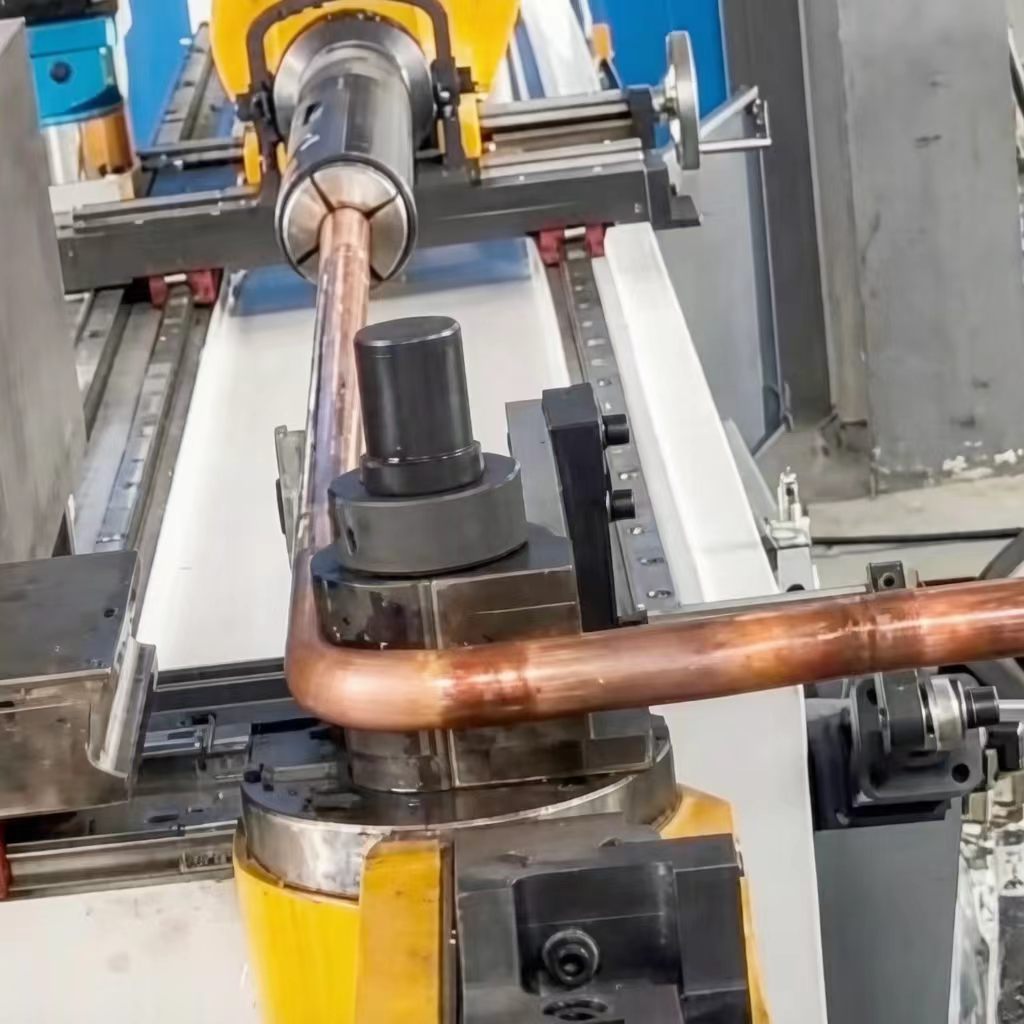
Методы гибки труб
Ротационная гибка
Контролируемая оснастка для точных, повторяемых изгибов и многогнутых конструкций.
Гибка с дорном
Внутренняя поддержка сохраняет сечение для малых радиусов и тонкостенных труб.
Вальцовка
Постепенное формование для плавных больших радиусов в каркасах, ограждениях и поручнях.
Компрессионная гибка
Практичный метод для простых изгибов с большими радиусами.
Инженерный анализ гибки труб
Радиус гиба и овальность
Соотношение радиуса и толщины стенки определяет риск сплющивания; укажите максимальную овальность, если сечение должно оставаться открытым.
Пружинение и плоскость гиба
Программы для многогнутых деталей компенсируют пружинение и плоскость гиба, чтобы деталь соответствовала 3D-модели.
Оснастка с дорном и чистовым инструментом
Малые радиусы и тонкие стенки требуют внутренней поддержки; инструмент подбирается под метод.
Концы труб и сборка
Длина заготовки, обработка концов и узлы сопряжения проверяются для соответствия системе.
Поддерживаемые материалы
Нержавеющая сталь
Коррозионностойкие трубы для технологических линий и оборудования. См. нержавеющая сталь.
Углеродистая сталь
Трубы для конструкций и гидравлики. См. углеродистая сталь.
Алюминиевые трубы
Лёгкие трубопроводы и каркасы. См. алюминий.
Контроль качества
- Проверка входящего сырья
- Контроль оснастки и первой детали
- Проверка углов, радиусов и профилей
- Стабильная повторяемость деталей в течение всего производственного цикла
Типовые области применения
Автомобилестроение и оборудование
Трубопроводы для транспортных и промышленных систем. См. автомобильная обработка.
HVAC и холодильное оборудование
Трубные соединения и магистрали. См. компоненты HVAC.
Каркасы, ручки и поручни
Гнутые профильные трубы для конструкций
Сборные узлы для медицинской и промышленной техники
Прецизионные гнутые трубы в готовых узлах
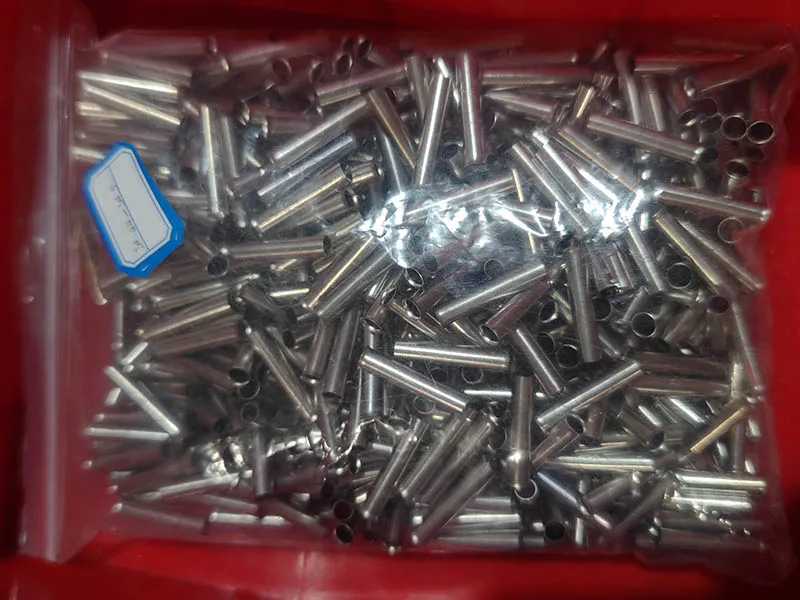
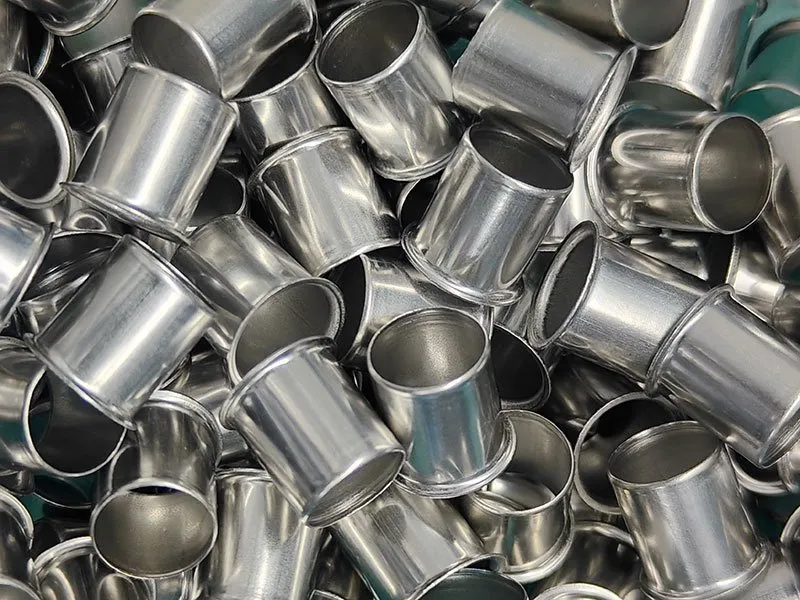
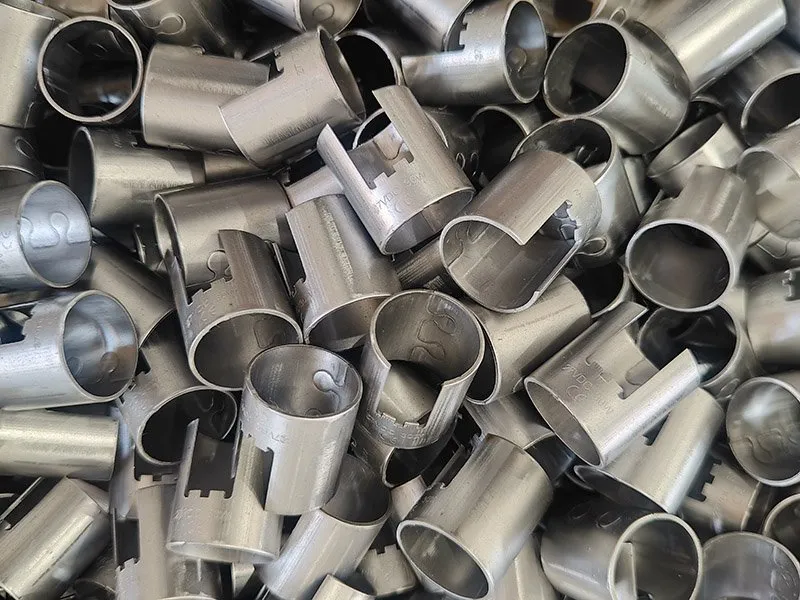
Примеры реализованных проектов
Проекты по формовке труб и трубопроводов из производственной практики

Примечания к запросу предложения
Укажите материал трубы, наружный диаметр, толщину стенки, радиус гиба, углы и целевой объем. Ознакомьтесь с руководством по проектированию гибки труб на ЧПУ и расчетом припуска на гибку, затем запросите предложение.
Соответствие и качество
- Соответствие материалов для автопрома — IMDS, REACH, RoHS и GADSL для автомобильных программ.
- Процесс IMDS в Balford — данные о материалах от запроса до поставки.
- Чек-лист соответствия IMDS — 15 шагов для поставщиков автокомпонентов.
- Качество и сертификация — контроль по стандартам ISO 9001:2015 и IATF 16949.
Часто задаваемые вопросы
Какие методы гибки труб вы используете?
Ротационная протяжка для точных повторяемых гибов с малыми допусками; гибка с дорном при необходимости внутренней поддержки для малых радиусов или тонкостенных труб; вальцовка для плавных больших радиусов; компрессионная гибка для простых гибов с большими радиусами.
Какие материалы труб вы гнете?
Нержавеющая сталь, углеродистая сталь, алюминиевые трубы, медь и латунь, а также некоторые сплавы. Перед расчетом проверяем марку материала, наружный диаметр, толщину стенки и радиус гиба.
Как вы контролируете сплющивание и образование складок?
Подбор оснастки и метода контролирует овальность сечения: дорны и очищающие элементы поддерживают внутреннюю часть гиба, регулируются скорость гибки и смазка. Требования к максимальной овальности или минимальному утонению стенки должны быть указаны на чертеже.
Вы предоставляете готовые трубные узлы?
Да. Гибку труб можно комбинировать с резкой, обработкой торцов, координацией сварки, нанесением покрытий и простой сборкой, чтобы вы получали готовую деталь или узел.
Can you handle multi-bend designs?
Yes. Multi-bend tube programs are validated for springback, plane-of-bend and length compensation so the finished tube matches the 3D model. Send the centerline model or bend data table with your RFQ.
What do you need to quote a tube bend?
Tube material, OD, wall thickness, bend radius, bend angles, plane-of-bend information, target volume and any ovality or surface requirements. The centerline 3D model is the clearest input.
Secure Project Review
Send Balford Your Drawing
NDA before detailed file exchange. Drawing-based DFM review. Prototype-to-production route. Check the RFQ checklist before sending files.
CNC Tube Benders and Automatic Tube Forming Lines
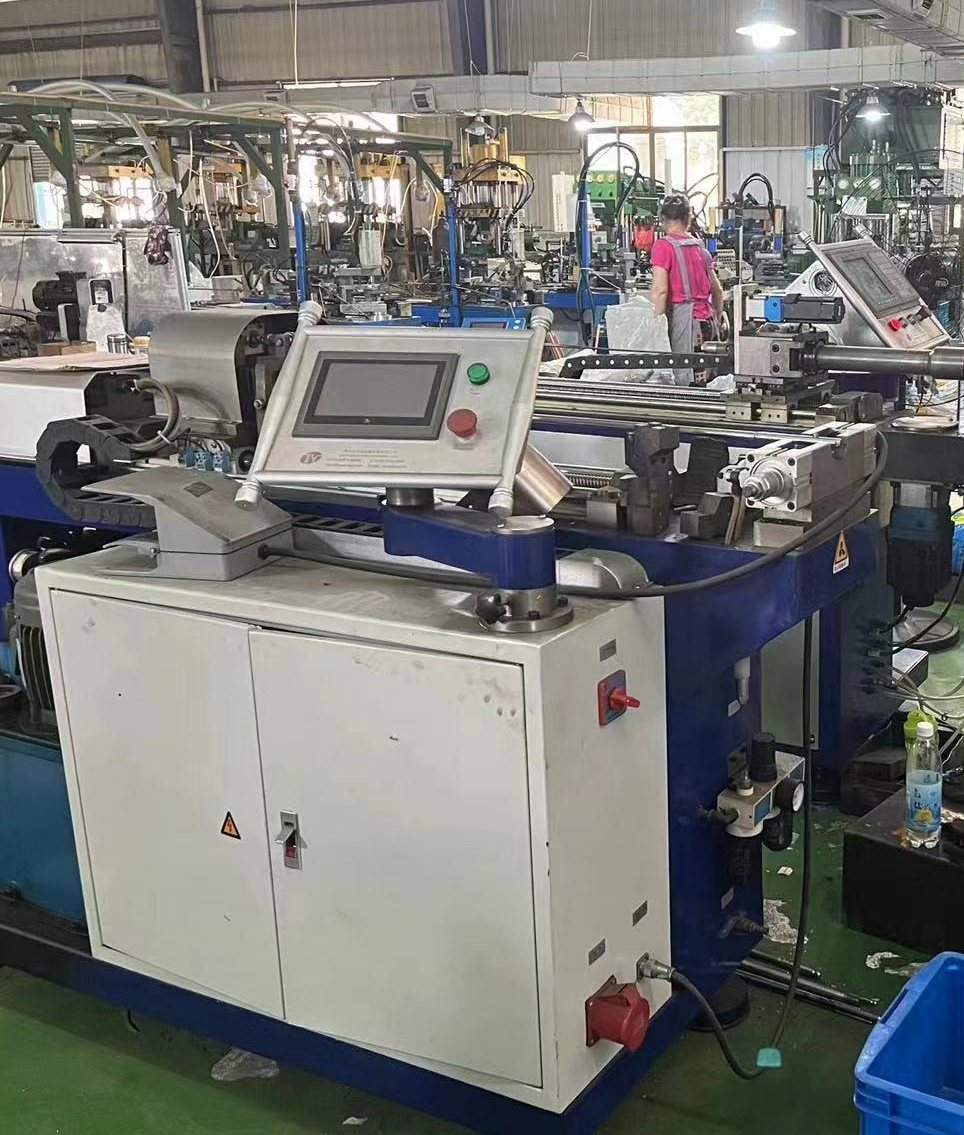
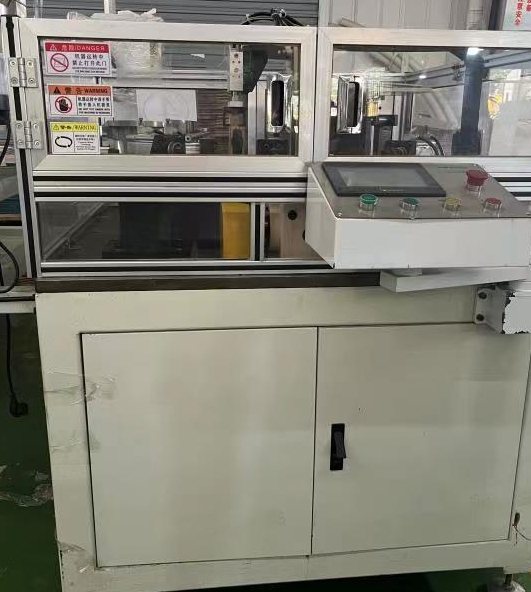
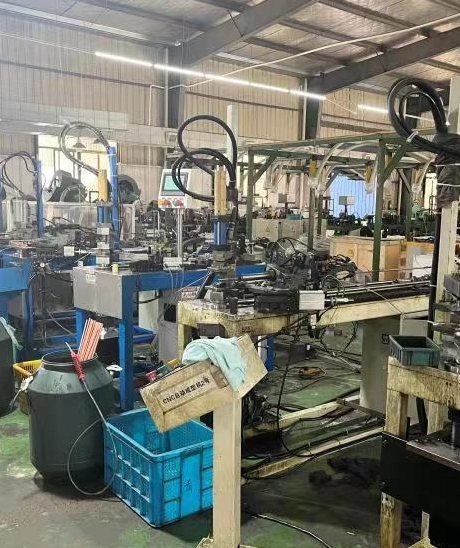
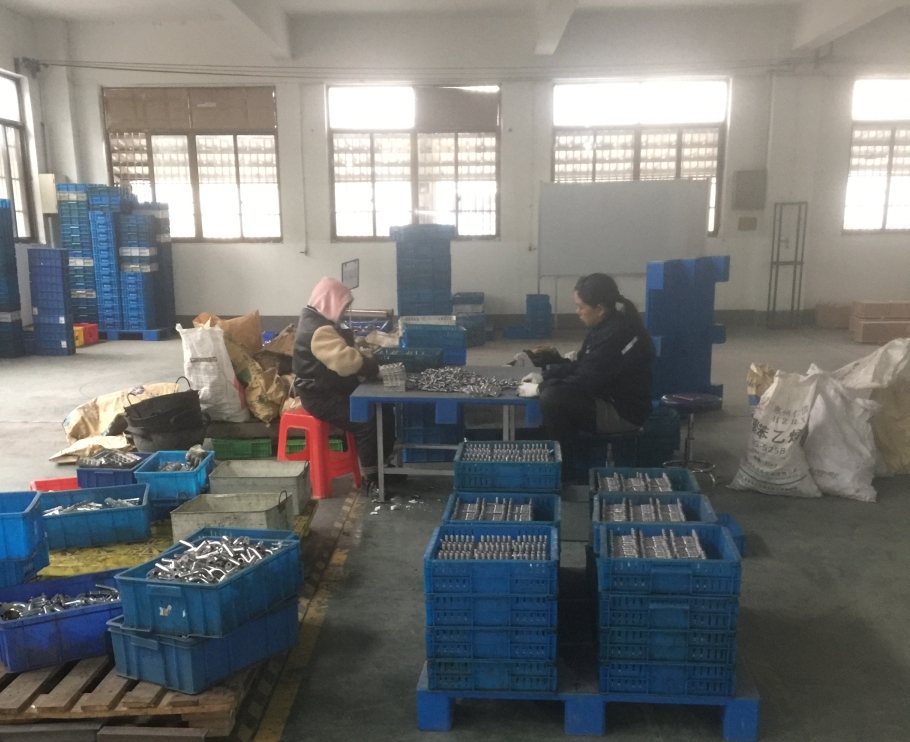
Tube bending here is a dedicated line, not a press brake with a radius tool. Fully automatic CNC tube benders run the bend program for multi-bend parts; an automatic S-bend production line handles continuous bend sequences; hydraulic presses form the tube ends; and automatic ring machines fit ferrules onto tube ends in the same flow. That combination is what makes bent tube parts repeatable at volume instead of depending on how the operator sets the machine that morning.
Fully automatic CNC tube bender
Runs the bend program for multi-bend parts, so angle, plane of bend, radius and leg length repeat from part to part.
Automatic S-bend production line
Continuous S-shaped bends for pipe runs and coil connections, where the bend sequence has to stay constant across a long production run.
Hydraulic press and automatic ring machine
End forming, flattening, bulging and sizing, plus ring and ferrule fitting, on the same automated line.
Refrigeration and Air-Conditioning Pipe Joints
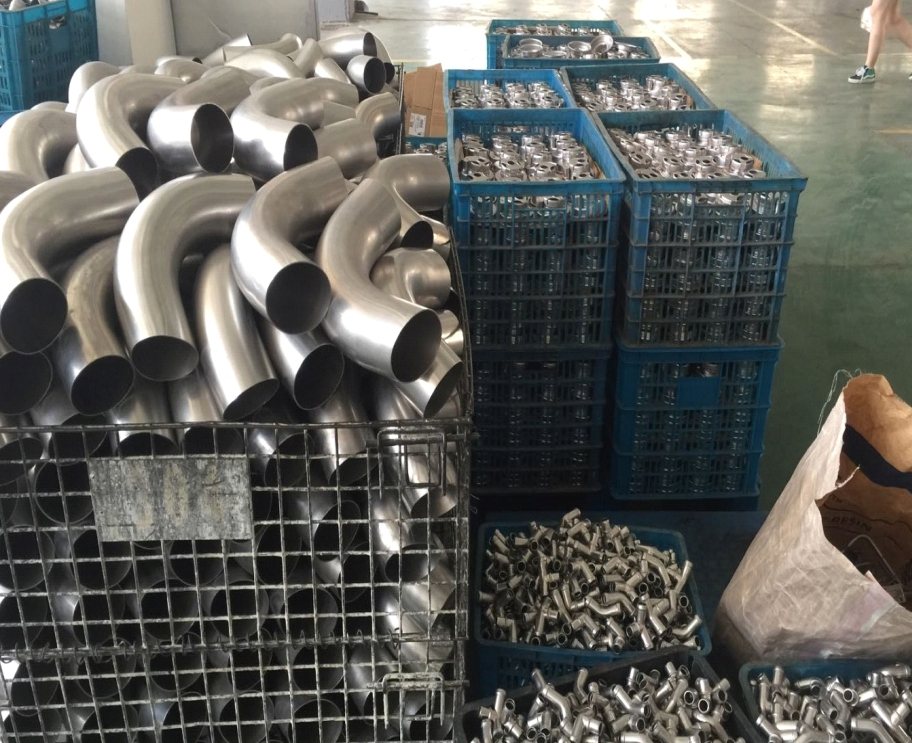
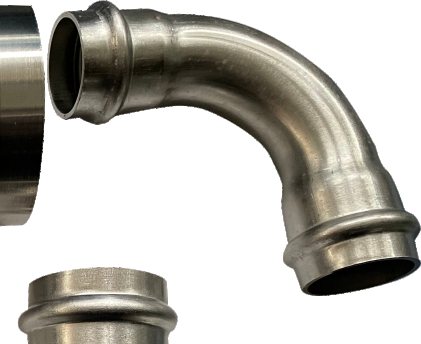
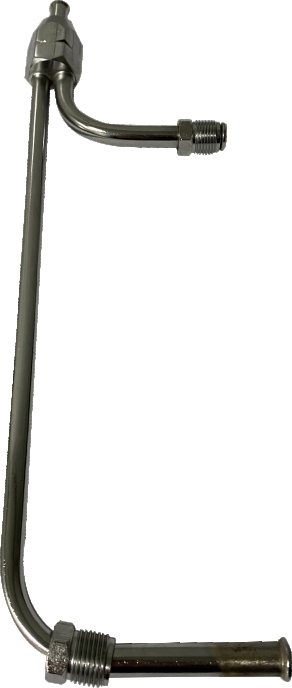
Pipe joints for air-conditioning and refrigeration are made from TP2 copper tube and formed as one piece by continuous bending, cold stamping, CNC spinning and hydraulic plastic extrusion, rather than assembled from several cut parts and welded together. Forming the joint in one piece removes a joint that a refrigerant circuit would otherwise have to seal.
After forming, the parts are degreased, de-oxidised and passivated. That is what gives the joint its pressure resistance and corrosion resistance, keeps the surface clean for brazing or welding, and keeps the part inside the RoHS material requirements that refrigeration and HVAC buyers specify.
- Typical use: air-conditioning and refrigeration systems, HVAC equipment, pharmaceutical and chemical plant, and marine piping.
- Joint integrity is proven by pressure and leak testing rather than by appearance.
- Bent and formed parts continue into tube coiling, brazing, welding and assembly in the same plant.
- Engineering rules for the geometry are on CNC tube bending: radius, wall thickness and springback, and the industry page is HVAC and refrigeration.
After Bending: Cleaning, Passivation and Testing
Degreasing and de-oxidising
Forming lubricants and oxide are removed after bending, so the tube surface is clean for brazing or welding.
Passivation
Copper and stainless parts are passivated for corrosion resistance, which is what keeps a refrigeration joint serviceable in a wet or chemical environment.
Pressure and leak testing
Bent and brazed assemblies are tested for pressure tightness; the test pressure comes from your drawing rather than a default setting.
Related manufacturing capability: CNC tube bending services or tube coiling — all reviewed from the same drawing before quoting.
Which bending method does your part need?
| Method | Best for | Tooling | What it gives you |
|---|---|---|---|
| CNC press-brake bending | Boxes, brackets, panels, enclosures and multi-bend sheet parts | Standard or dedicated press-brake tooling | Controlled angles, fast set-up, repeatable across a batch |
| Rotary draw tube bending | Structural and fluid tubing with a tight, consistent radius | Bend dies and mandrel matched to the tube | Controlled radius and ovality; the standard route for tube |
| Mandrel bending | Thin-wall or tight-radius tube where collapse must be avoided | Mandrel set matched to bore | Keeps the bore open, limits flattening at the bend |
| Roll bending | Large-radius curves, arcs and rings | Rolls, no dedicated die | Long sweeping bends that a press brake cannot form |
| Compression bending | Simple, less demanding bends on thicker tube | Simple tooling | Economical where radius tolerance is not critical |
Where more than one method works, the deciding factors are the drawing radius, the wall thickness, the tube wall's tendency to flatten, and the quantity. Send the drawing with the bend radius and wall thickness marked and Balford will say which route holds it.
Downstream operations after bending
A bent part usually still needs its ends and holes. Bent blanks move into the next operation in the same plant: cutting and blanking, sheet metal fabrication, welding and assembly, CNC machining for interfaces, and finishing. The bend allowance and the blank size are planned with those operations, because the flat pattern, the holes and the bend relief all move together.
Parent capability page: sheet metal fabrication and processing.