Brazing & Metal Joining
Metal Brazing Services
Furnace brazing and torch brazing for copper, brass, stainless steel and aluminium assemblies — tube joints, fittings, coil and manifold assemblies brazed in a continuous mesh-belt furnace, with automatic filler dispensing and leak-tested joints.
- Continuous mesh-belt furnace brazing
- Copper paste, rod, wire and braze rings
- Nickel-based filler for stainless
- Tube, fitting, coil and manifold joints
- Leak and pressure tested
Direct answer: Balford brazes copper, brass, steel, stainless steel and aluminium assemblies in a continuous mesh-belt furnace, and by torch for repairs and large parts. Filler selection covers copper-based paste applied by automatic dispensing, copper rod, wire and braze rings (copper melts at 1083 °C and is brazed at 1100–1150 °C in a reducing atmosphere), phosphor-copper and oxygen-free copper fillers including silver-free wire, and nickel-based paste for stainless and high-temperature joints. Parts are degreased, de-oxidised and passivated afterwards, and tube and coil assemblies are leak tested.
What Brazing Is, and Why It Suits Tube and Fitting Work
Brazing joins two metal parts by heating the assembly together with a filler metal whose melting point is below the melting point of the parts themselves. Once the filler melts, capillary action draws it into the joint gap, so the parts are joined by a thin, continuous fillet rather than by melting the parent metal.
That is what makes brazing the right process for tube and fitting assemblies. The base metal never melts, so the joint keeps the dimensional accuracy of the parts either side of it, the braze fillet is smooth, and heat distortion is small compared with welding. On a refrigerant or coolant line, where a braze ring may sit a few millimetres from a sealing face or a machined thread, that difference decides whether the assembly still gauges after joining.
Brazing also joins combinations that welding cannot: copper to steel, brass to stainless steel, and parts with a large difference in wall thickness, with no strict limit on the thickness ratio between the two sides of the joint.
- Lower working temperature than welding, so the joint keeps its structure and mechanical properties and the part keeps its dimensions.
- Smooth, neat joint that needs little or no dressing before the next operation.
- Same metal or dissimilar metal pairs, with no strict limit on thickness difference.
- Multiple parts and multiple joints can be brazed in one furnace pass, which is where the throughput comes from.
What We Braze
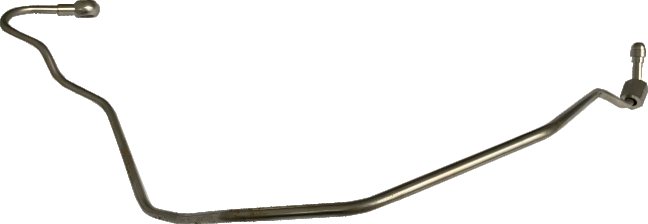
Copper tube and fitting joints
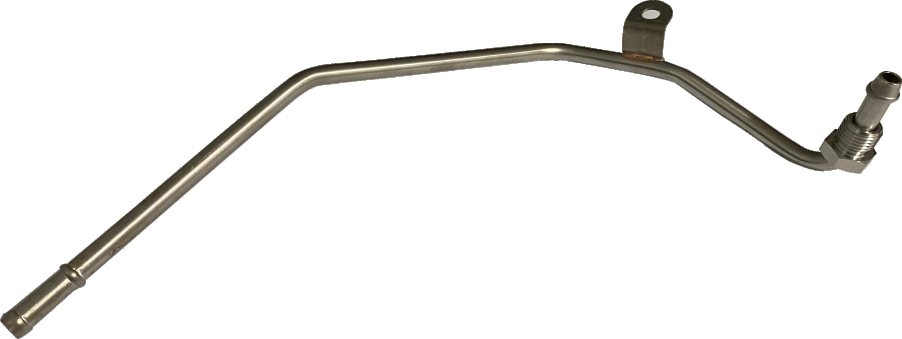
Elbows, tees, reducers, return bends and fitting-to-tube joints for air-conditioning and refrigeration pipework, brazed with copper or phosphor-copper filler.
Coil and heat-exchanger assemblies
Serpentine and helical coils brazed to headers, return bends and connection stubs, with the brazed joints leak tested after cooling.
Tube-to-plate and tube-to-header
Tube bundles brazed into plates, headers and manifolds, so many joints are made in a single furnace pass instead of one at a time.
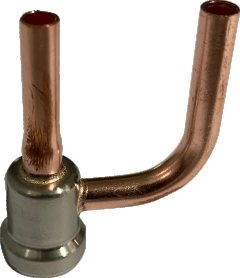
Brass and copper fittings
Brass fittings, valve bodies, sensor bodies and machined components brazed as complete sub-assemblies rather than assembled from loose parts.
Dissimilar materials
Copper-to-stainless, brass-to-stainless and tube-to-machined-fitting joints, where the two sides cannot simply be welded together.
Multi-joint parts
Parts carrying several joints are brazed in one cycle, which holds the geometry between joints instead of pulling it out of position one weld at a time.
Continuous Furnace Brazing and Torch Brazing
| Method | How it runs | Where we use it |
|---|---|---|
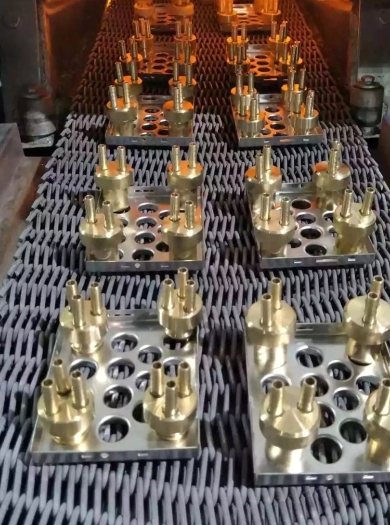
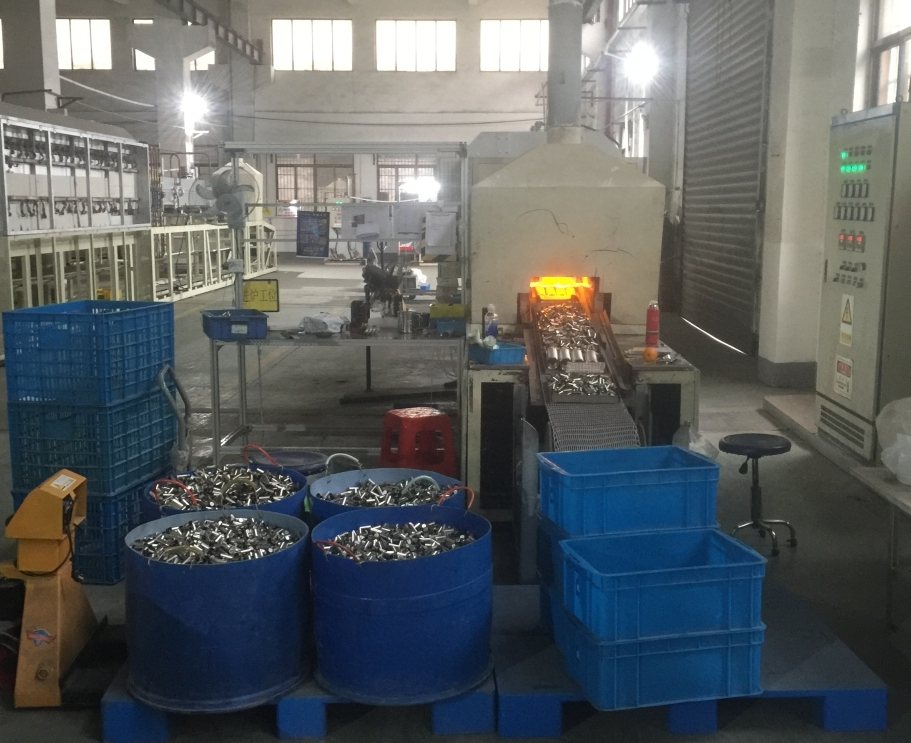
| Continuous mesh-belt furnace brazing | Parts, usually loaded in fixtures, pass through the heated zone of the furnace on a mesh belt in a controlled reducing atmosphere. | Copper brazing of steel, stainless steel and brass; production volumes of small and medium parts; assemblies with several joints made in one pass. |
| Automatic paste dispensing + furnace | A copper-based brazing paste is applied by automatic dispensing equipment, then the loaded parts run through the continuous furnace. | Complex and irregular parts where a preform ring will not sit reliably; continuous, repeatable dosing instead of hand-applied filler. |
| Torch brazing | Filler rod or ring is applied by hand, joint by joint, with the heat controlled by the operator. | Repair and rework, low volumes, large parts, and joints that cannot be loaded into the furnace. |
Copper, Phosphor-Copper and Nickel-Based Filler Metals
The filler is selected from the parent metals, the joint geometry, the service temperature and the corrosion requirement — not from what happens to be in the drawer.
| Filler | Characteristics | Typical use | Brazing temperature |
|---|---|---|---|
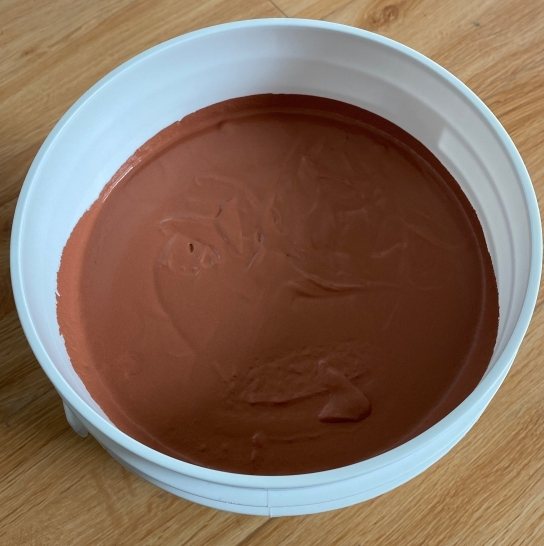
| Copper-based brazing paste | Combined with automatic dispensing equipment, so complex and irregular parts can be coated automatically before entering the continuous furnace. | Continuous, automated brazing where the joint must end up strong, neat and corrosion resistant. | Per filler specification |
| Copper rod, wire and braze rings | Copper melts at 1083 °C, so it can be used directly as a filler in a reducing atmosphere to braze low-carbon steel, low-alloy steel, tungsten, molybdenum, Kovar and nickel alloys. | Steel and stainless assemblies, tube-to-fitting joints and preform-ring joints. | 1100–1150 °C |
| Phosphor-copper, oxygen-free and pure copper filler | Grades selected where the joint needs higher strength than standard copper filler; available as wire, rod and braze rings, including silver-free wire. | Refrigeration and air-conditioning copper joints, and joints specified without silver. | Per filler specification |
| Nickel-based brazing paste | Heat and corrosion resistant at room temperature and above; the most widely used filler alloy family for stainless steel (300 / 400 / 800 series), nickel-based and cobalt-based alloys. | Stainless and high-temperature joints, including exhaust and heat-exchanger assemblies. Runs best in a reducing-atmosphere furnace; with a suitable flux it can also be used for other brazing methods. | Per filler specification |
Filler grade is fixed during drawing review, and the braze cycle is confirmed on first-article parts before the run is released.
Cleaning, Passivation and Leak Testing
Brazed parts are degreased, de-oxidised and passivated after the furnace, which is what leaves the surface clean and corrosion resistant and lets a painted or plated finish take properly later. Copper tube joints are then checked for pressure tightness, because a braze fillet that looks complete can still hide an incomplete penetration on one side of the joint.
- Degreasing and oxide removal after the braze cycle.
- Passivation of copper and stainless parts for corrosion resistance.
- Leak and pressure testing of tube and coil assemblies.
- Visual inspection of the braze fillet and joint position.
- RoHS-compliant materials and process chemistry for the refrigeration and HVAC parts we produce.
Brazing sits inside the rest of Balford's work rather than beside it: the tubes are cut and bent on the same site, the mating fittings are machined or stamped here, and the brazed assembly can continue into assembly and sub-assembly, cleaning and packing without leaving the plant. Where a part also carries a welded joint, brazing and welding are planned together — see metal welding services.
Solution Treatment of Stainless Steel
Solution treatment, also called annealing, heats austenitic stainless steel to 1050–1150 °C and then cools it rapidly. The purpose is to dissolve the carbides back into the austenite and hold that condition down to room temperature, which restores the corrosion resistance that forming, machining or a previous thermal cycle took out of the material.
It is used on the 200 series and 300 series grades — SUS304 and SUS316 among them — and is quoted per part, because the cooling rate and the fixture both change what the part does on the way down.
Related Capabilities
Tube bending
TP2 copper refrigeration pipe joints, CNC multi-bend parts and tube assemblies.
Metal welding
TIG, MIG/MAG and spot welding when the joint is structural rather than sealed.
Tube coiling
Helical and serpentine coils that go on to be brazed into a manifold.
Frequently Asked Questions
What is brazing, in one sentence?
Brazing is a joining process in which a filler metal with a melting point below that of the parts is heated until it melts, and capillary action pulls the liquid filler into the gap between the two solid parts.
How is brazing different from welding?
Welding melts the parent metal; brazing does not. That is why a brazed joint keeps the dimensional accuracy of the parts, shows little distortion and joins dissimilar metals and very different wall thicknesses, which welding cannot do reliably.
What can Balford braze?
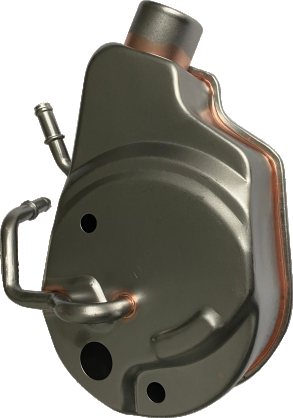
Copper, brass, steel, stainless steel and aluminium assemblies: tube and fitting joints, refrigeration and air-conditioning pipe joints, coils and heat-exchange assemblies, tube-to-plate and tube-to-header joints, and mixed-metal parts such as stainless bodies with copper tube ends brazed in.
Furnace brazing or torch brazing?
Furnace brazing for production parts, several joints at once and consistent fillets; torch brazing for repairs and large or low-volume parts. Both run in the same plant, so the choice is made on the part rather than on the equipment list.
Which filler metals do you use?
Copper-based brazing paste applied by automatic dispensing, copper rod / wire / braze rings (copper melts at 1083 °C, brazed at 1100–1150 °C in a reducing atmosphere), phosphor-copper, oxygen-free and pure copper fillers including silver-free wire, and nickel-based paste for stainless and high-temperature joints.
Are the brazed joints leak tested?
Tube and coil assemblies are pressure and leak tested after brazing, and the braze fillet is inspected visually. Tell us the test pressure and the medium on the drawing and it is included in the quote rather than added later.
Secure Project Review
Send Balford Your Brazed Assembly Drawing
NDA before detailed file exchange. Share the assembly drawing, the parent metals, the filler requirement, the test pressure and the annual volume, and the braze route is proposed with the quotation. Check the RFQ checklist before sending files.
Related manufacturing capability: metal welding services, tube bending or assembly and subassembly — all reviewed from the same drawing before quoting.