Oxygen sensor housings · O2-B
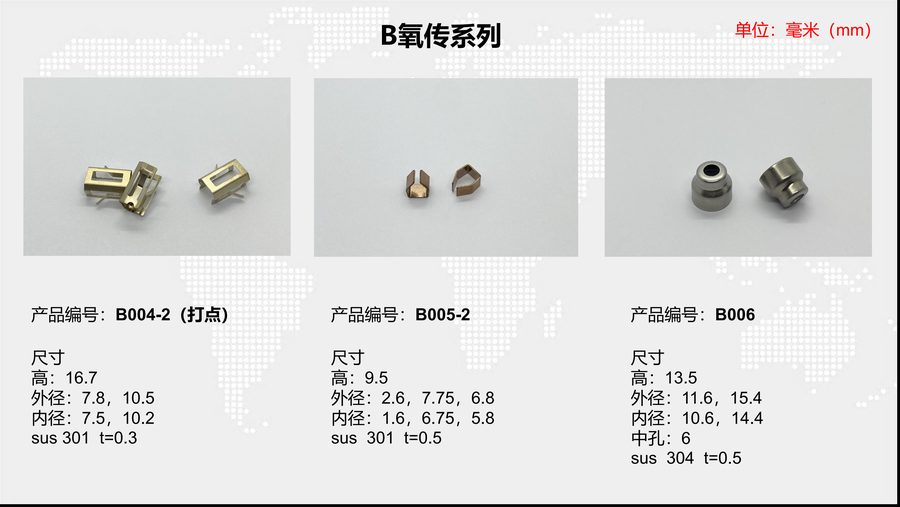
B005-2
- Height
- 9.5
- OD
- 2.6,7.75,6.8
- ID
- 1.6,6.75,5.8
- Flange
- —
- Wall
- 0.5
- Material
- SUS 301
Engineering catalogue tool
Search Balford's published deep-drawn sensor housing catalogue before you draw a new shell. Filter real part codes by height, outer diameter, bore and material, then carry the code into a drawing review and RFQ.
Catalogue filter
398 catalogue rows · 388 unique part codes. Filters run in your browser and do not create indexable URLs.
Oxygen sensor housings · O2-B
Oxygen sensor housings · O2-B
Oxygen sensor housings · O2-B
Oxygen sensor housings · O2-B
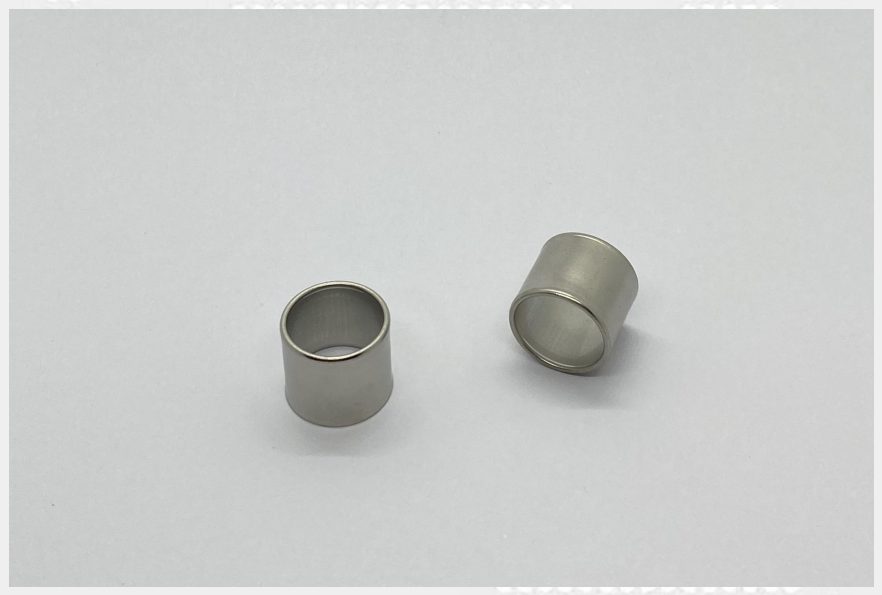
Oxygen sensor housings · O2-B
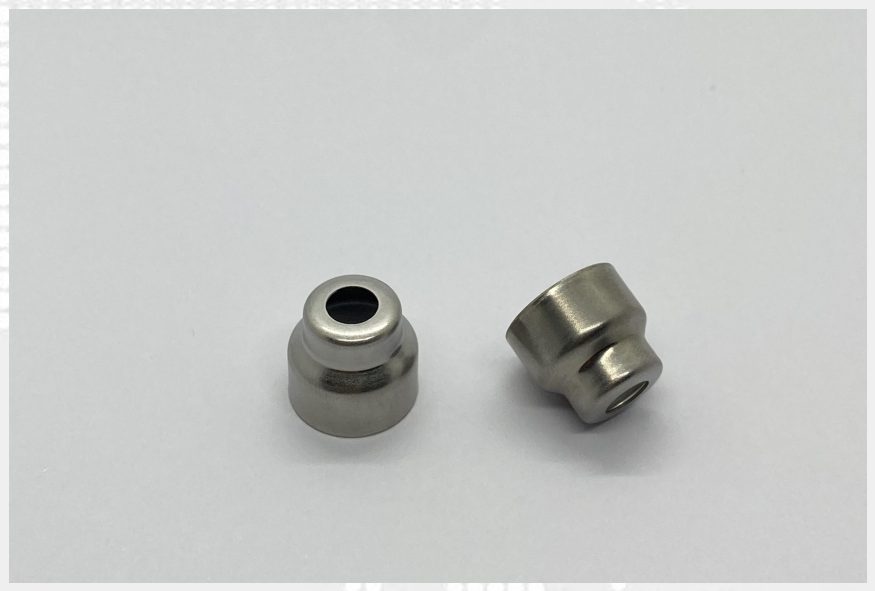
Oxygen sensor housings · O2-B
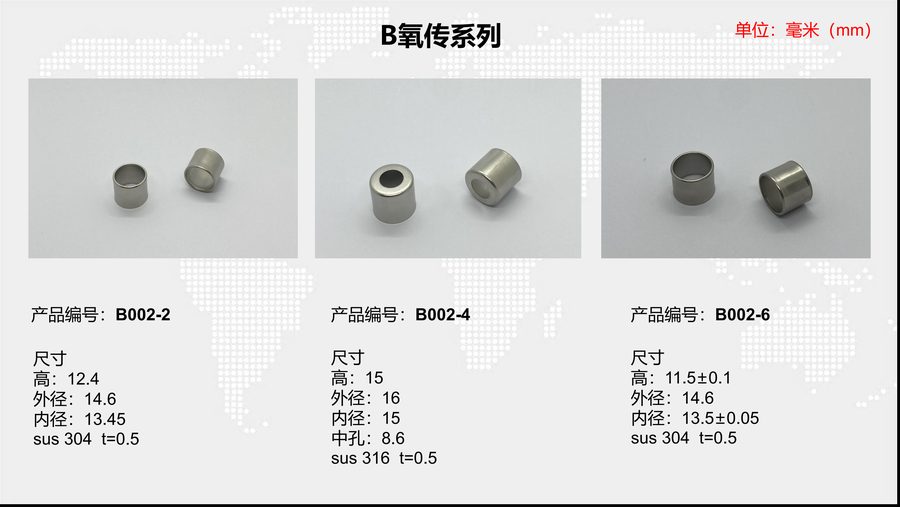
Oxygen sensor housings · O2-B
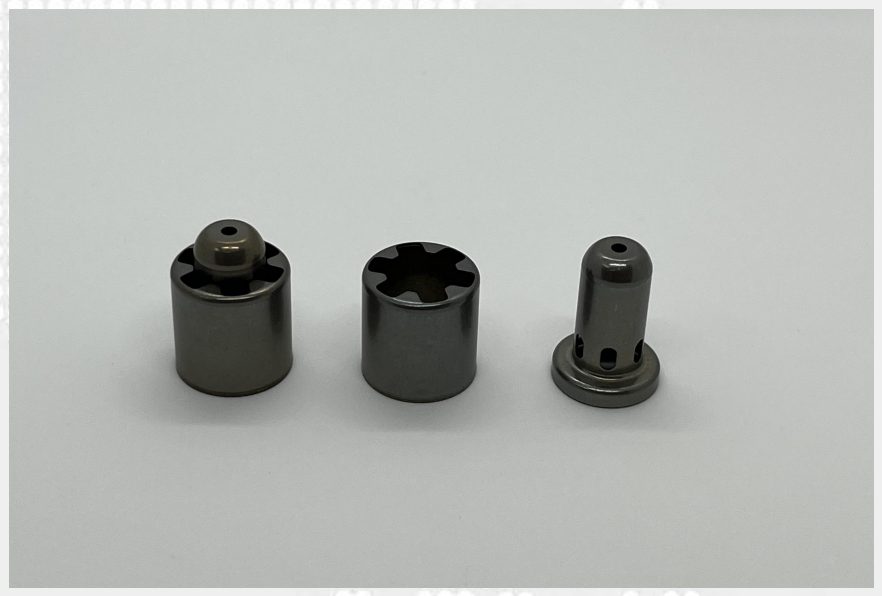
Oxygen sensor housings · O2-B
Oxygen sensor housings · O2-B
Oxygen sensor housings · O2-B
Oxygen sensor housings · O2-B
Oxygen sensor housings · O2-B
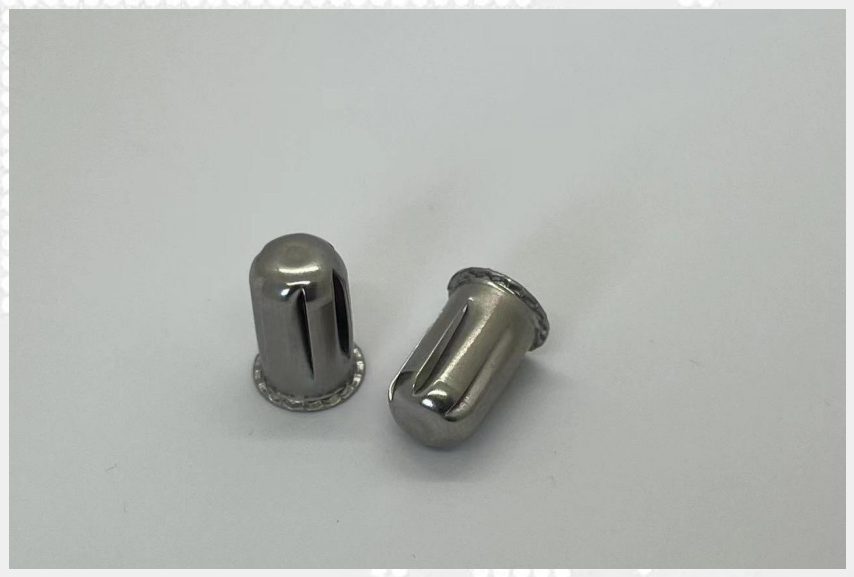
Oxygen sensor housings · O2-B
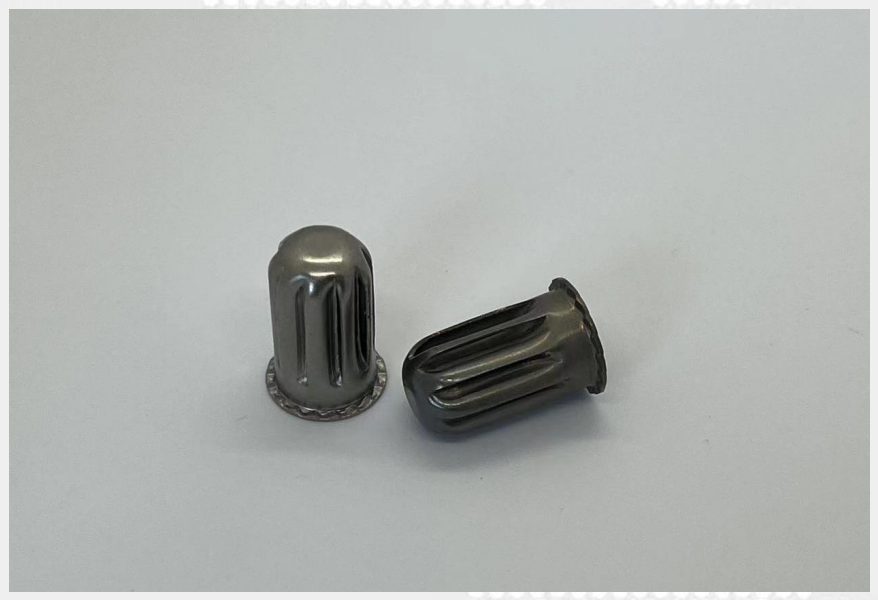
Oxygen sensor housings · O2-B
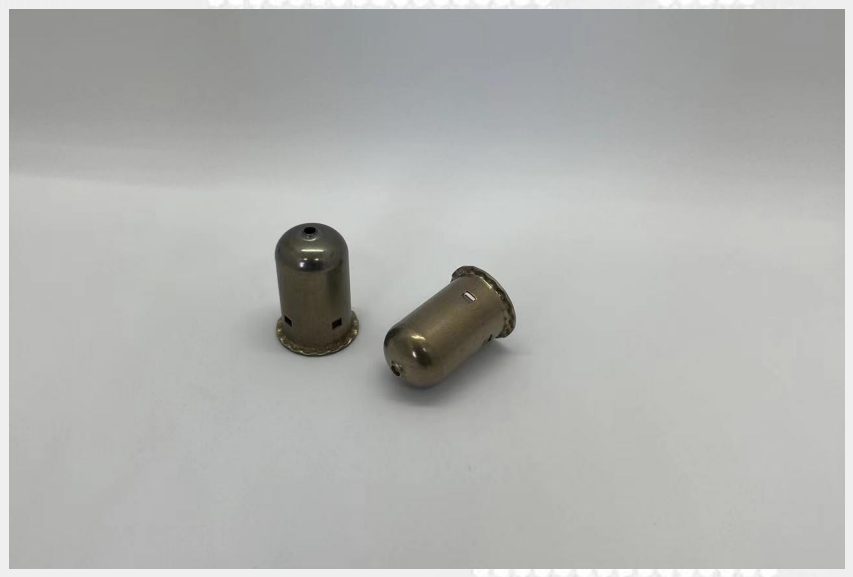
Oxygen sensor housings · O2-B
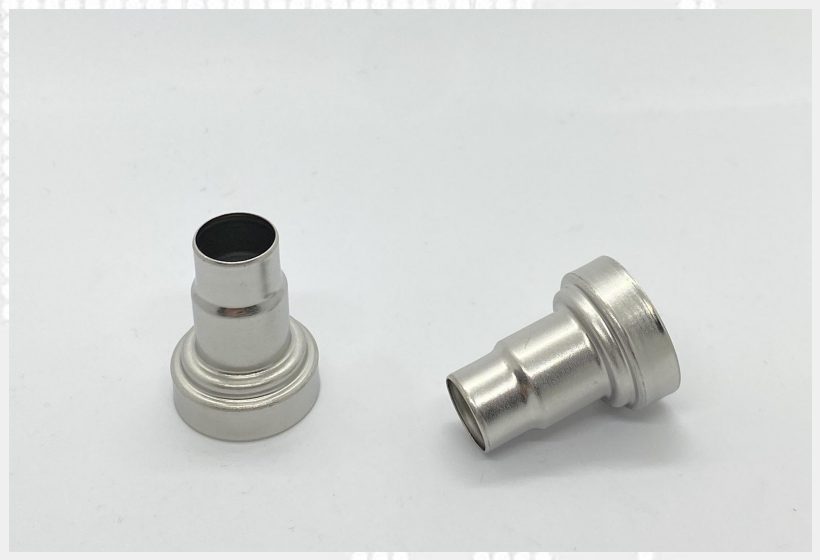
Oxygen sensor housings · O2-B
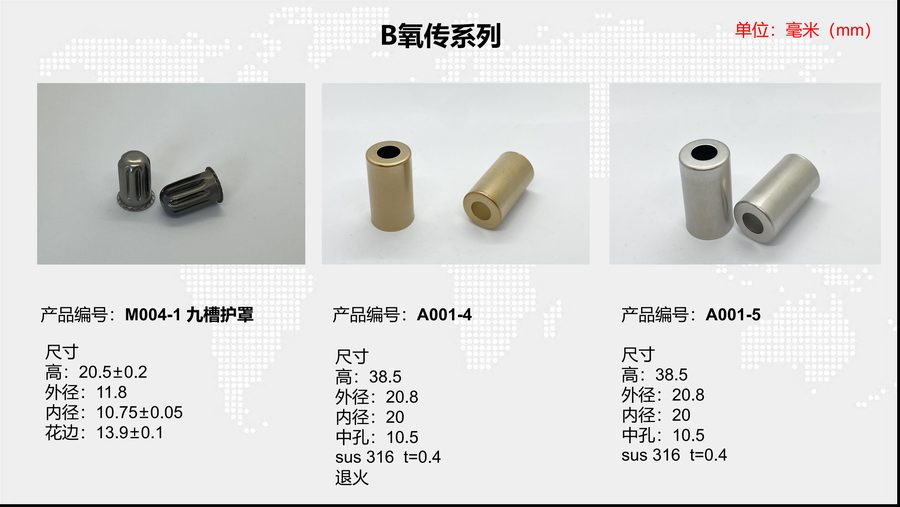
Oxygen sensor housings · O2-B
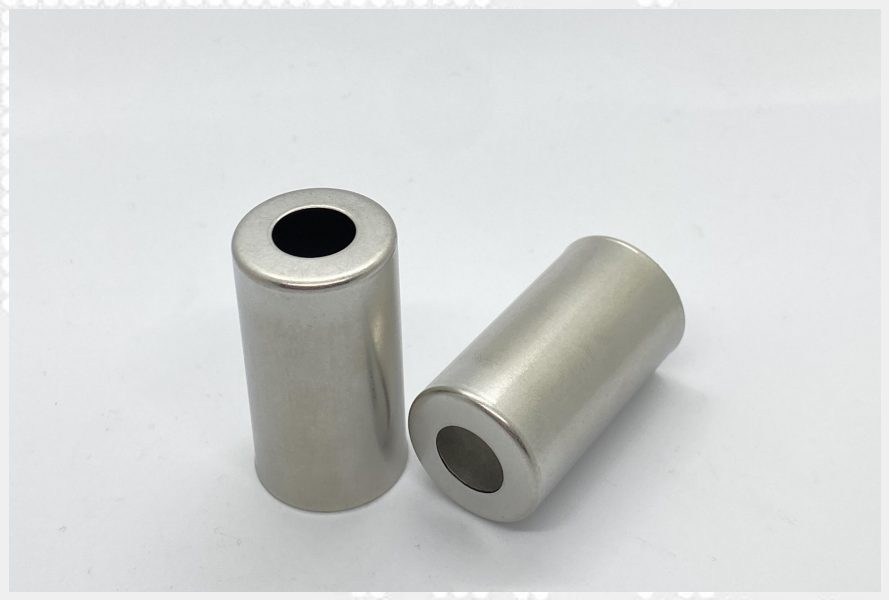
Oxygen sensor housings · O2-B
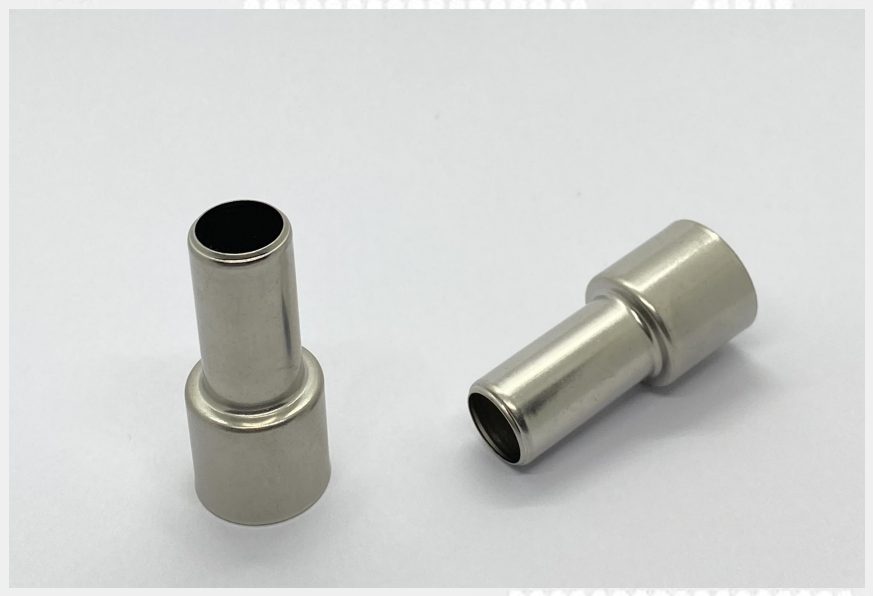
Oxygen sensor housings · O2-B
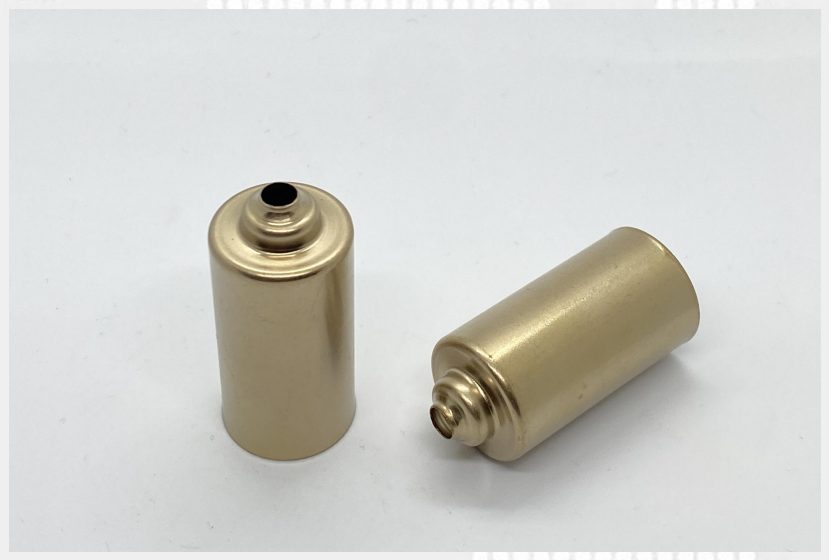
Oxygen sensor housings · O2-B
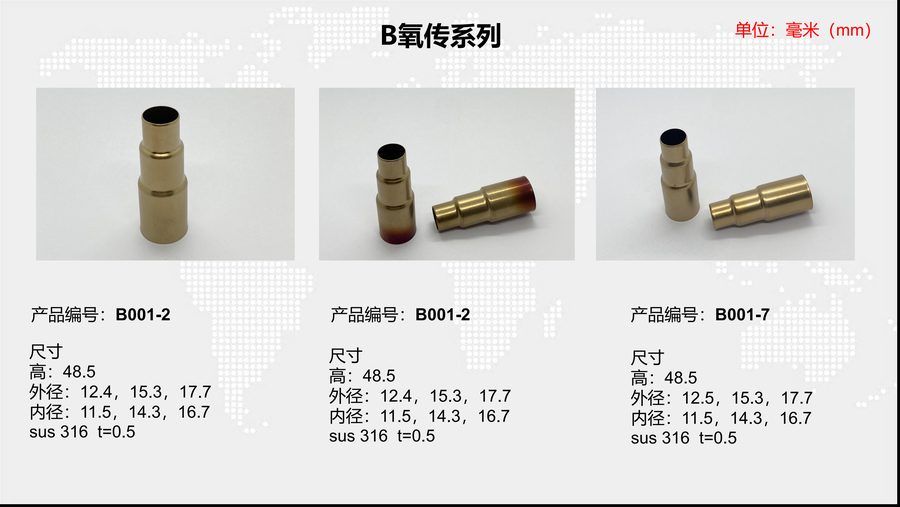
Oxygen sensor housings · O2-B
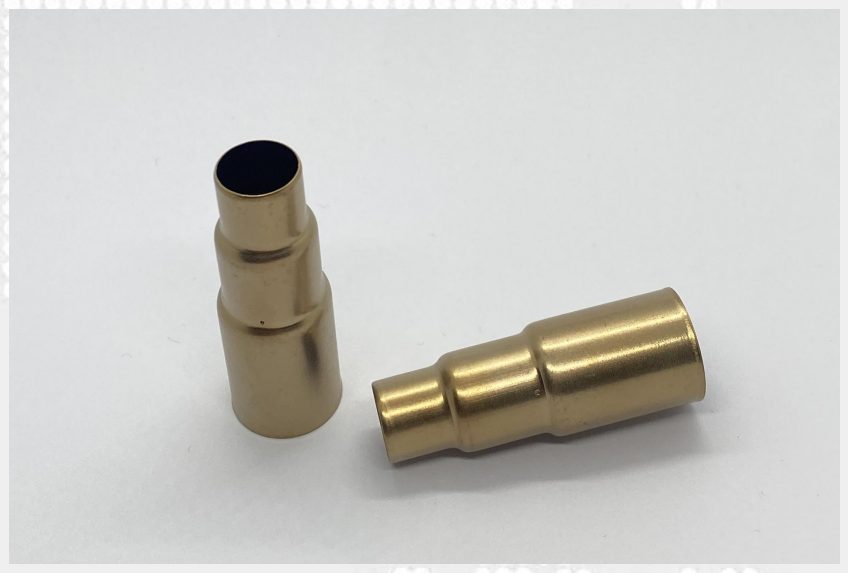
Oxygen sensor housings · O2-B
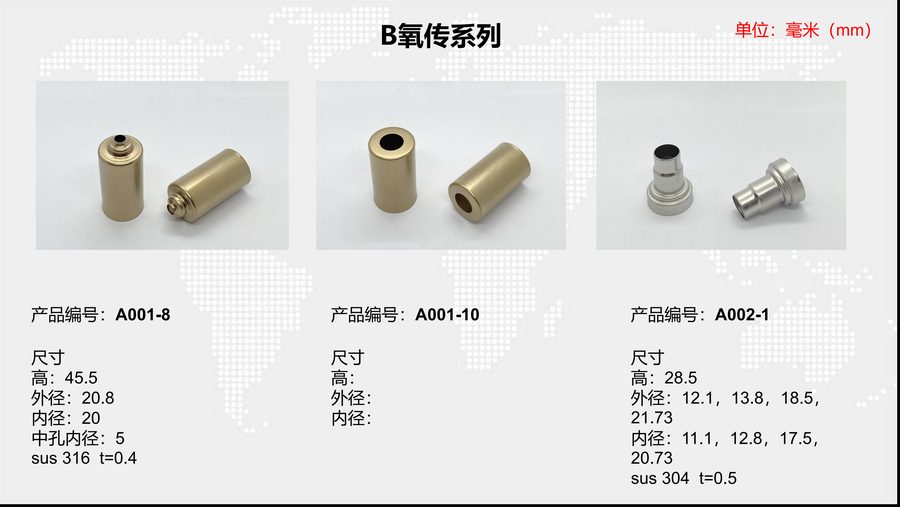
Oxygen sensor housings · O2-B
Start with the mounting envelope, then search the published catalogue by sensor family, height, outer diameter and bore. The finder checks each nominal value printed in the source catalogue and returns part codes whose stated dimensions fall inside your limits. Material and wall thickness are shown when the catalogue states them; a blank means the source page did not publish that value, so it has not been inferred. A returned code is suitable for comparison and an RFQ reference, not proof of current stock or production. Before quoting, Balford checks the drawing, material grade, tolerances, annual volume, surface treatment and inspection method. This makes the tool useful for shortlisting an existing housing envelope or identifying the nearest family before a custom deep-drawn design is reviewed. Use the family pages to compare the surrounding configurations before selecting a reference code; the narrowest result set is not automatically the best fit.
Height is the printed overall housing height. Outer diameter is the widest published outside size, and inner diameter is the published bore. If a catalogue cell contains several nominal diameters, the row matches when any one of those nominal values falls inside the range. The completeness filter is deliberately strict: it only keeps rows that include material, height, outer diameter, inner diameter and wall thickness.
The catalogue is not a bearing catalogue or a distributor stock list. It records shapes and dimensions Balford has published for deep-drawn sensor housing work. That distinction matters when a result looks close but is not an exact drop-in replacement.
A match does not confirm the material certificate, tolerance, heat treatment, plating, flatness, concentricity, leak-tightness or current tooling route. Those requirements remain drawing-led. The catalogue also includes 398 rows and 388 unique part codes, so repeated identical rows are collapsed in the search results. The source workbook remains the authoritative record for completeness checks.
Review a new design when the mounting interface, bore, sealing surface, wall or sensor element cannot fit a published envelope. A drawing is also needed when the housing must meet a specific magnetic condition, pressure requirement or automotive PPAP submission. Balford reviews the forming route before tooling: deep drawing, ironing, progressive stamping, machining and any outsourced heat treatment or surface finishing are confirmed as part of the quotation rather than assumed from the catalogue.
No. A catalogue row records a configuration that Balford can review against the printed dimensions. Availability, tooling route, material certificate and current production status are confirmed from your drawing, quantity and quality requirements during the RFQ.
The finder reproduces the fields printed in the 2026-09-05 sensor housing catalogue. When the source page left a material, flange, bore or wall value blank, the finder leaves it blank rather than inferring it. Use the part code and drawing together for a quote.
Yes. The catalogue is a starting point, not the limit of the process. Send the drawing with material, tolerances, annual demand and inspection requirements. Balford reviews the forming route and issues DFM feedback before tooling or production.
No. Every filter result stays on this canonical page. Creating a separate indexable URL for each material, size and family combination would produce hundreds of near-duplicate pages with no independent search value and would make the catalogue harder to crawl.
Send that code with the drawing, material and annual quantity. Balford will confirm what can be reused, what must be changed and which process route fits the part.