Deep Drawn Metal Sensor Housings for Automotive & Industrial Sensors
Balford deep draws and stamps metal sensor housings for oxygen (O₂), NOx, ABS/wheel-speed, fuel injector, exhaust gas temperature and Denso-style fitment sensors — 398 catalogue configurations with dimensions in millimetres, produced on a 12,000 m² factory with 500+ machines.
The dimensions behind these housings are published as a citable dataset (398 configurations, 10 series, material and wall thickness): sensor housing catalogue data.
The stainless shells behind these sensors are formed by deep draw stamping, and the grade choice is set out on the metal stamping materials page.

Sensor housing manufacturing process: how a drawn housing is made
The sensor housing manufacturing process starts with strip or a blank of the specified grade and ends with a housing that is measured against the drawing. For the drawn housings Balford makes, the sequence runs blank, first draw, one or more redraws, ironing where the wall has to be thinner, then trim and pierce, magnetic annealing where permeability matters, machining of sealing faces and threads, and finally cleaning, passivation or plating. Our published sensor housing catalogue runs from a 0.25 mm to 1.00 mm wall, a 0.7 mm to 80 mm outside diameter and a 10 mm to 66 mm height, drawn on presses from 25 t to 350 t with a maximum draw diameter of 250 mm. Grade decides the number of stages, because stainless work-hardens and takes fewer stages per anneal than low-carbon steel.
What We Manufacture — 10 Catalogue Series
Every card links to a filterable series page with dimensions in millimetres; each product can be quoted directly by catalogue code.
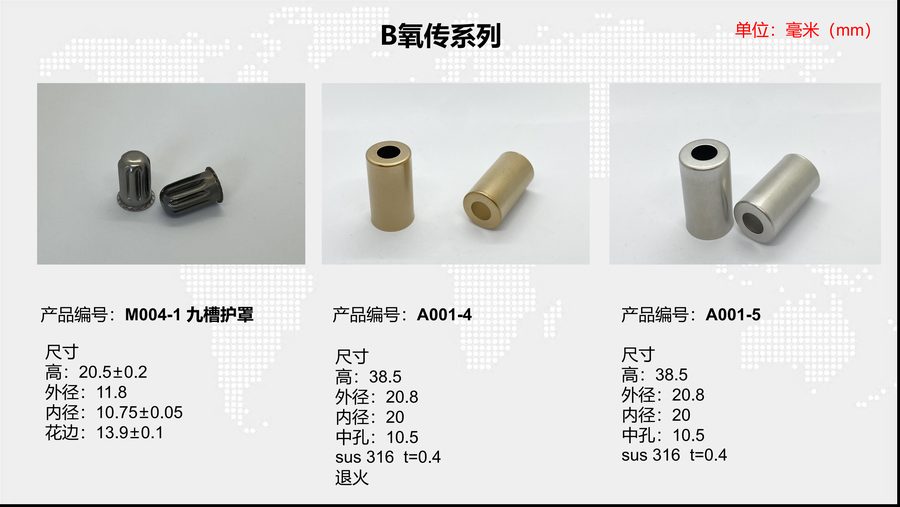 Oxygen Sensor Housings (B)46 configurations
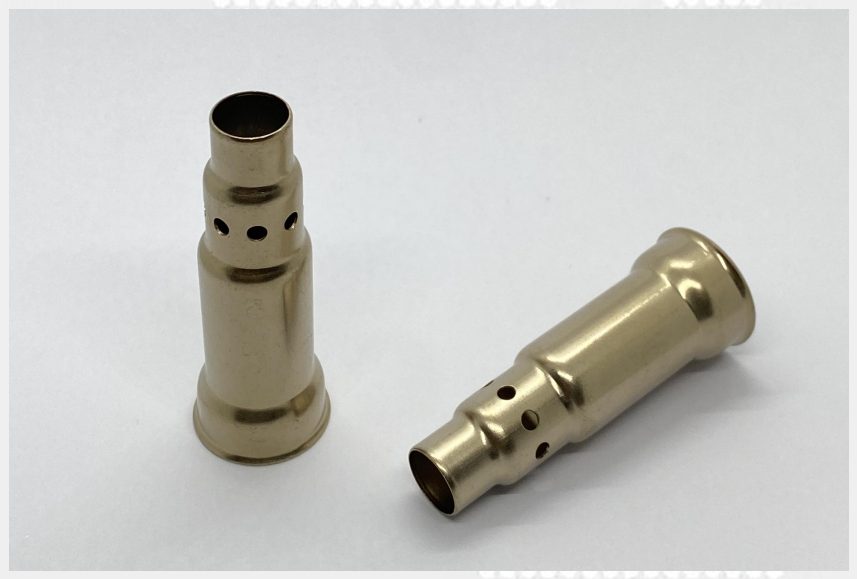 Oxygen Sensor Housings (D)20 configurations
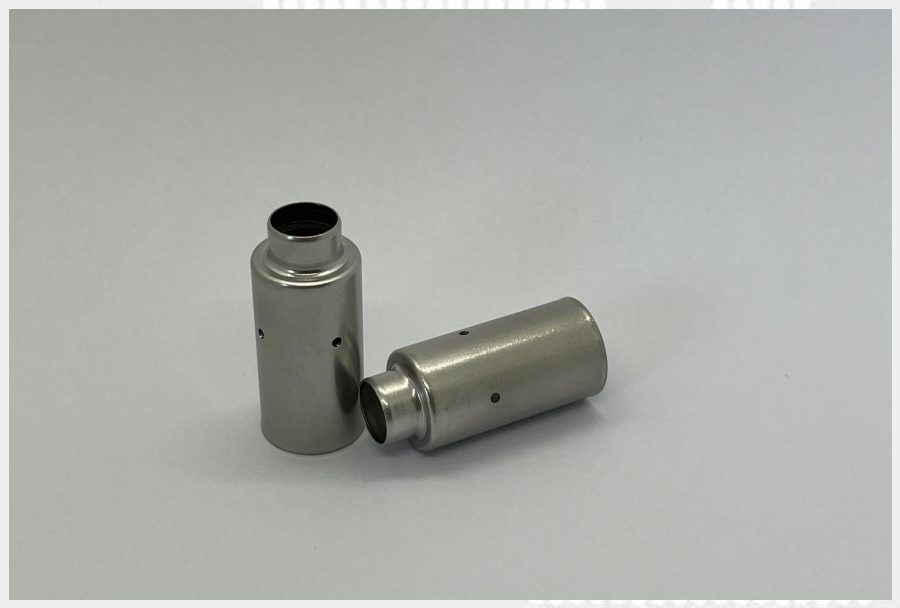 Oxygen Sensor Housings (N)39 configurations
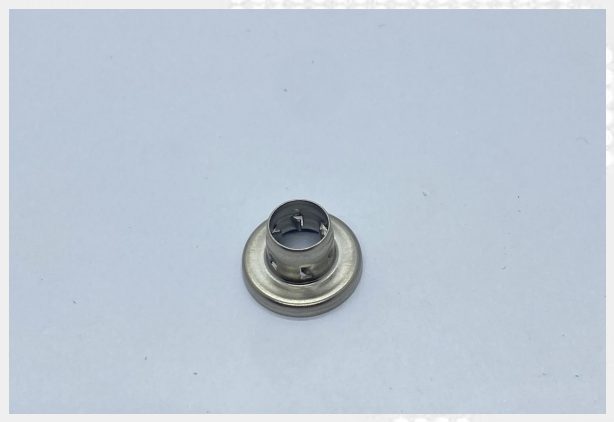 NOx Sensor Housings21 configurations
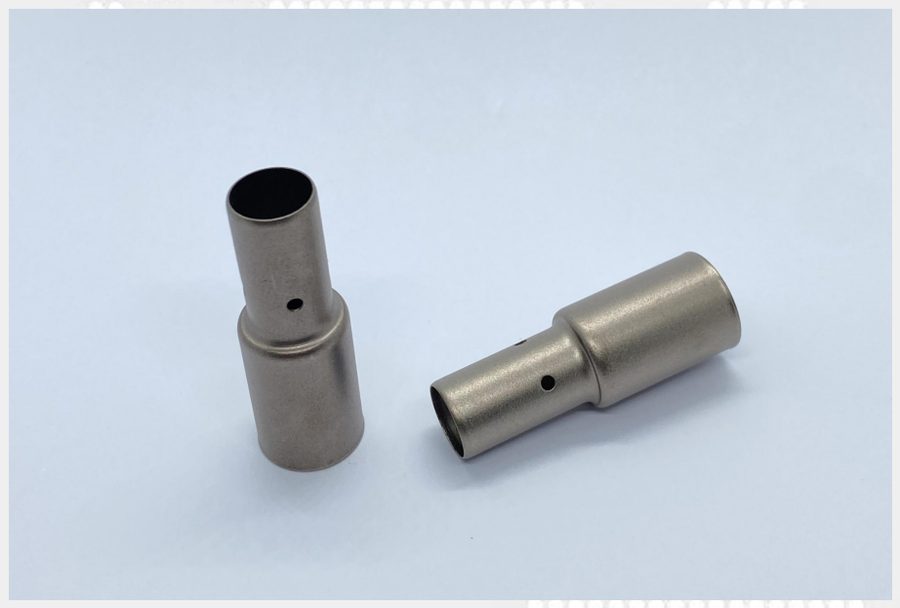 Injector & Exhaust Temp Housings22 configurations
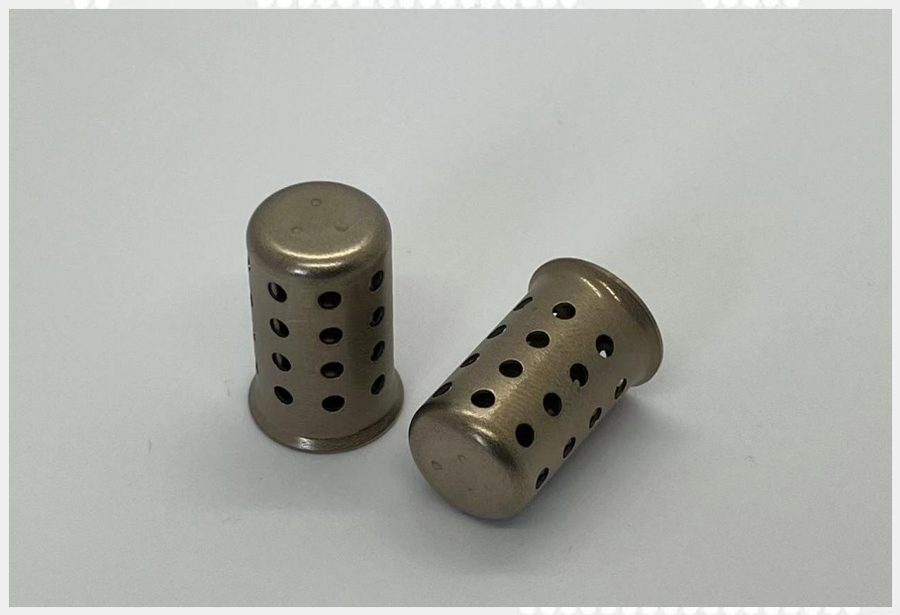 Denso-Style Fitment Housings41 configurations
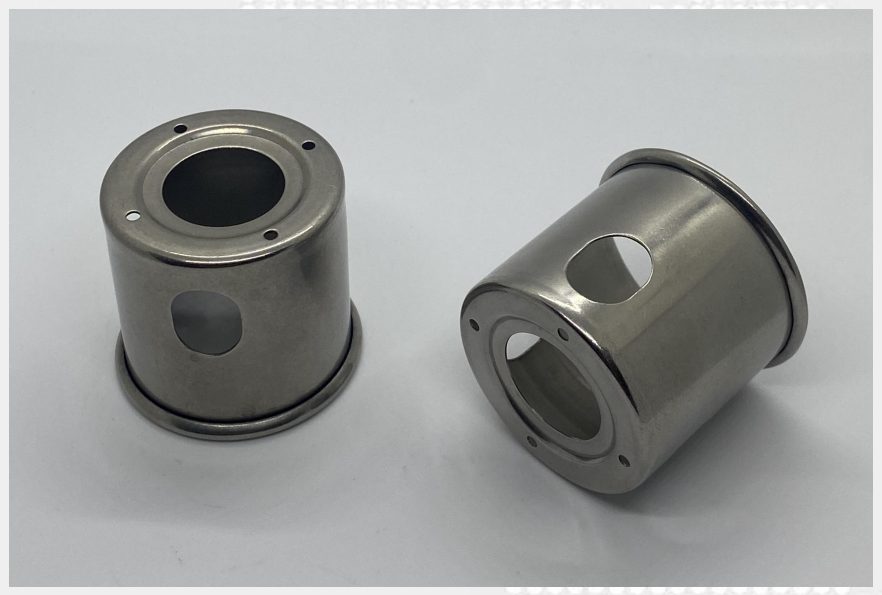 Denso-Style Heat Shields42 configurations
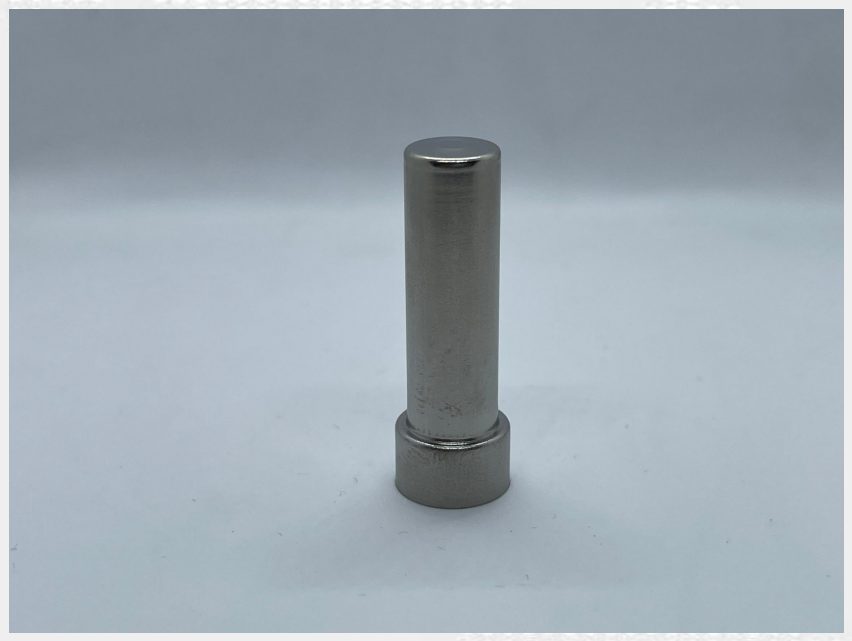 ABS / Wheel-Speed Housings121 configurations
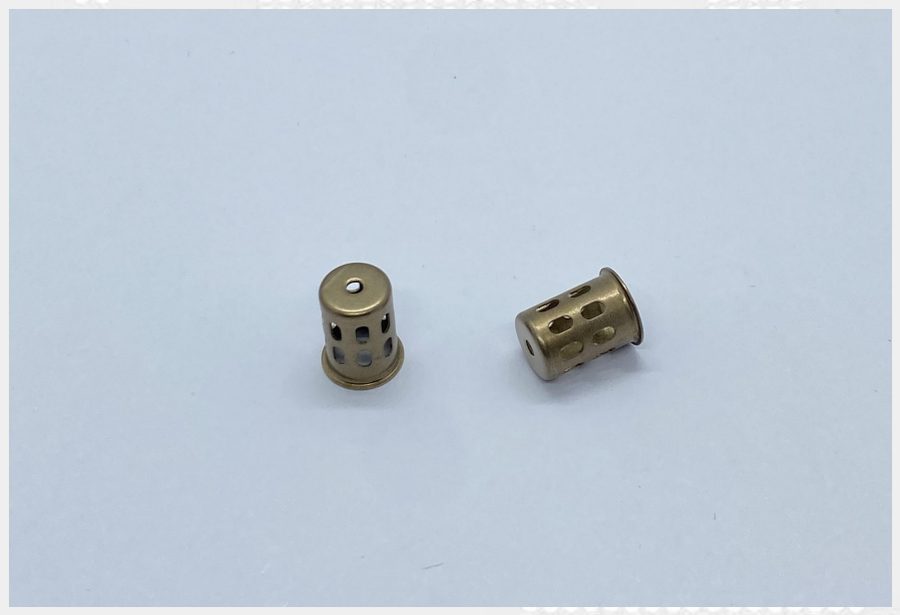 Motorcycle Sensor Housings21 configurations
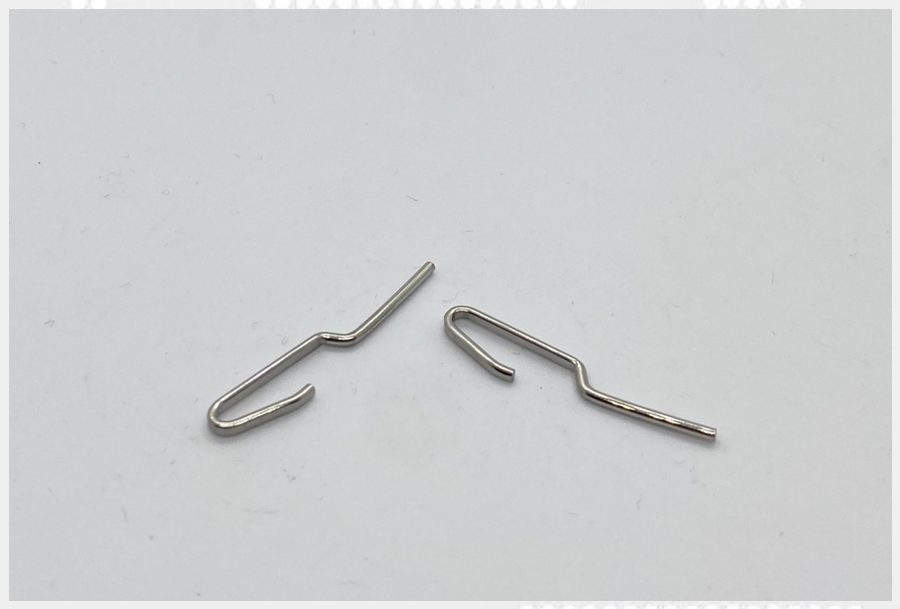 Other Stamped Components25 configurations
Why Deep Drawing Suits Sensor Housings
Sensor housings protect sensing elements while holding dimensional accuracy for press-fit, weld or threaded assembly. Deep drawing produces seamless cups, shields and tubes with controlled wall thickness — the catalogue includes walls from 0.3 mm to 1.0 mm — while progressive and precision stamping cover low-profile and high-volume forms.
Balford combines deep drawing, precision stamping and CNC machining under one roof, so burr control, surface finish, press-fit diameters and weld-prep dimensions are managed in the same quality loop. Magnetic annealing and plating can be added for sensor and solenoid assemblies that need defined magnetic or corrosion behaviour.
Every first article is released with FAI, and automotive programs can be documented to PPAP-aligned and IMDS requirements.
Typical Materials
| Material | Typical use | Catalogue thickness |
|---|---|---|
| Stainless 304 | General oxygen sensor shields and housings | t 0.4–0.6 mm |
| Stainless 310 / 316 | High-temperature NOx, EGT and exhaust parts | t 0.4–1.0 mm |
| Stainless 430 | Denso-style heat shields and flange parts | t 0.5–1.0 mm |
| Aluminium | Pressure sensors and lightweight housings | per drawing |
| Carbon steel | ABS and structural housings | per drawing |
Aluminium is quoted most often in 6061 and 5052 for pressure-sensor bodies; an example is the aluminium automotive pressure sensor housing we produce.
Capabilities, Quality & Compliance
Wall-thickness control, burr and surface control, press-fit and weld-prep dimensions, FAI on every first article, PPAP-aligned documentation, IMDS data support, magnetic annealing and zinc-nickel / zinc / nickel plating.
Selected Case Studies
Real programs from Balford's production history — material, process and application data come from each case record.
ABS Wheel-Speed Sensor HousingStainless steel, deep drawn, press-fit controlled.
 Automotive Pressure Sensor HousingAluminium housing, formed then machined.
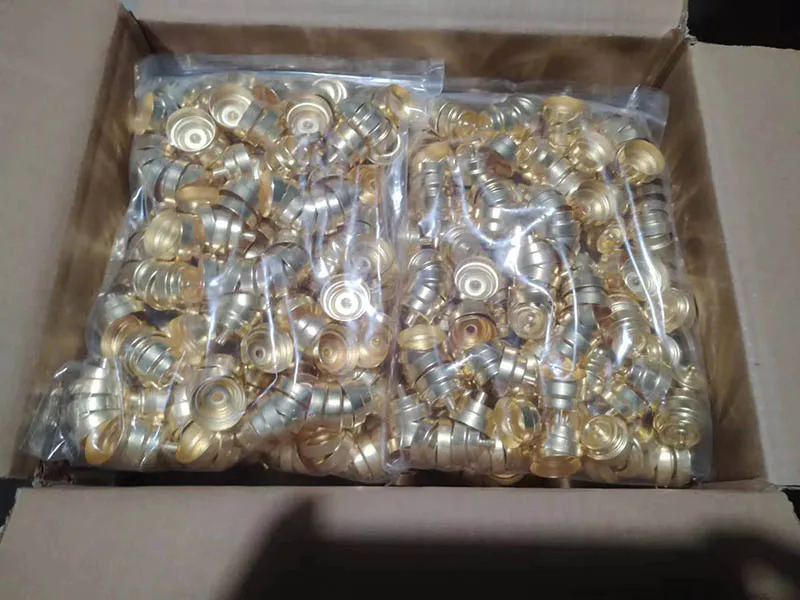 Coolant Temperature Sensor HousingCustom stamped housing for engine temperature sensing.
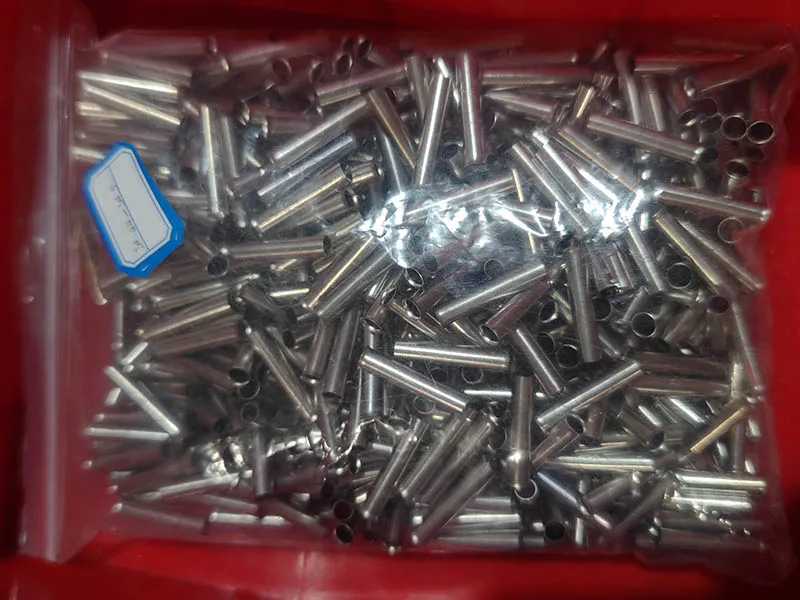 Exhaust Temperature Sensor PipeStainless connecting pipe for EGT sensor harnesses.
European Sensor Manufacturers We Supply
Balford housings and covers are in series production for European and American sensor and solenoid manufacturers. These customer and partner relationships are already published, with the source page linked here:
- FACET S.r.l. — Italy, automotive oxygen (lambda) and coolant-temperature sensors
- Sensor Technik GmbH — Germany
- Four Seasons — USA, aftermarket thermal components
- Standard Electric Manufacturing Company — USA
- Solenoid System Inc. — USA
Customer names are listed only to the extent each customer allows. We do not publish volumes, prices, part numbers or programme details, and programmes under NDA are not shown. The full published list sits in the metal stamping guide, and the process behind these parts is described under deep draw metal stamping.
Sensor Housing FAQ
What is a metal sensor housing?
A sensor housing is the drawn or stamped metal shell that protects the sensing element and holds the press-fit, weld or threaded interface to the assembly. Balford produces deep drawn and stamped sensor housings with controlled wall thickness, burr, surface and concentricity.
Which materials do you use for oxygen, NOx and exhaust temperature sensor housings?
The catalogue lists stainless grades 304, 310, 316 and 430 with printed wall thicknesses from 0.3 mm to 1.0 mm, plus aluminium and carbon steel for pressure and structural housings. The final grade is confirmed against temperature, corrosion and assembly requirements.
Can you deep draw thin-wall sensor housings?
Yes. Thin-wall deep drawing with controlled wall consistency is one of Balford's core processes, and multiple catalogue series are drawn from 0.3–0.5 mm blanks. Confirm the drawing and volume and our engineers will quote wall reduction and tolerance together.
What is the difference between stamped, deep drawn and machined sensor housings?
Deep drawing forms seamless cups and shields; stamping is best for high-volume flat or low-profile forms; CNC machining adds tight secondary features. Balford combines all three in one factory and recommends the route during DFM review.
Do you make ABS and wheel-speed sensor housings?
Yes — the ABS / wheel-speed series lists 121 configurations, and dedicated case studies document stainless steel wheel-speed housings supplied to automotive programs.
Can you supply Denso-style oxygen sensor shields and heat shields?
Yes, as compatible fitments. The catalogue includes Denso-style outer shields (7-, 9- and 13-hole), inner sleeves and heat shields. Balford does not claim to manufacture original Denso parts and confirms the final configuration against your drawing or sample.
What documentation do you provide for automotive sensor housings?
FAI reports on first articles, PPAP-aligned documentation, material certificates and IMDS data support are available on request. Quality management follows ISO 9001:2015 with IATF 16949-aligned practices.
Do you anneal housings for magnetic or forming reasons?
Yes — mesh-belt vacuum annealing furnaces are part of the plant. Annealing is used where forming work-hardening must be removed or where magnetic properties matter for solenoid and sensor assemblies.
What surface treatments do you offer?
Zinc-nickel, zinc, nickel and other plating options are quoted with the part; corrosion, salt-spray and dimensional requirements are reviewed before tooling. Aluminium parts can be coordinated for anodizing where required.
Can I order by catalogue code or send my own drawing?
Both. Start an RFQ at rfq.balford.net and add the catalogue code, or upload your 2D PDF plus STEP/IGES model with material, tolerance and volume. Engineering DFM feedback is usually returned within one business day.
Process page: how these housings are actually formed - the draw sequence, the wall and the grades - is set out under deep drawn sensor housings.
Send Your Drawing for a DFM Review
Upload PDF, STEP, IGES or DXF at rfq.balford.net — or quote a catalogue code. Engineering feedback is usually returned within one business day.
Next steps for this part family
- DFM review — send the drawing and get the process route and risk list before quoting.
- In-house tooling design & build — the dies behind these parts are built in our own tool room.
- Deep drawing capability — presses up to 350 t and draw diameters up to Ø250 mm.
- PPAP capability — Level 3 documentation for automotive programs.
- Stainless steel for sensor housings — why almost every automotive sensor housing is stainless, and which grade suits which sensor.
- Aluminium stamping & deep drawing — grades, formability and what changes versus steel.
Automotive sensor housings: material and process
Almost every automotive sensor housing in production - almost all of them - is made from stainless steel rather than coated carbon steel. The reason is the duty cycle: a housing has to sit in coolant, road salt, fuel, oil or exhaust condensate and still hold a thin drawn wall to tolerance for the life of the vehicle. Plating a carbon steel housing solves the corrosion problem only until the coating is thin at a cut edge or a thread, and it adds a coating thickness tolerance on top of the wall tolerance.
Balford draws sensor housings in 304, 316L, 310S and 430 stainless. The grade is decided by the sensor, not by convenience: 304 and 316L for pressure, ABS and exhaust-side temperature sensors; brass for coolant and water temperature sensor housings, where faster thermal response matters more than corrosion margin; 310S where exhaust gas temperatures reach 800-900 °C; 430 where the housing forms part of a magnetic circuit, because the austenitic grades are effectively non-magnetic.
What we control on a sensor housing
- Wall thickness. Thin-wall drawing with wall thinning treated as a drawing characteristic, typically 0.3-1.0 mm on sensor housings.
- Draw sequence. Multi-stage drawing with inter-stage annealing where the draw ratio demands it - planned before the die is cut, not fixed at tryout.
- Concentricity and runout. Bore-to-outside-diameter relationship verified on a concentricity gauge, because that relationship decides whether the sensor seats correctly.
- Sealing faces. Machined and ground where the housing seals against the boss, with Ra checked on a surface roughness tester.
- Surface. Passivation after forming to remove free iron; no plating step, no coating thickness on the drawing.
- Corrosion proof. Salt spray verification in our own lab on the finished parts.
Full material detail, grade-by-grade selection and the drawing process for stainless are on the stainless steel deep drawing and sensor housing material page. For design limits and what to specify on the drawing, see the automotive sensor housing design guide.
Sensor covers, caps and heat shields
Alongside the housings, Balford forms the metal parts that sit over or around a sensor: outer shields, protective covers, closing caps and heat shields, including Denso-style fitments. These are drawn and stamped components supplied into sensor and exhaust programmes - the same materials, the same tool room and the same first article inspection and PPAP documentation as a housing.
- Outer shields and protective covers. Drawn or stamped stainless covers that shield the sensing element from impact, splash and radiant heat, including 7-, 9- and 13-hole Denso-style outer shields.
- Heat shields. 42 catalogue configurations formed in 304 or 430 stainless for oxygen and exhaust gas temperature sensors.
- Inner sleeves and caps. Thin-wall sleeves and closing caps that complete the sensor assembly and locate the element.
- Brackets and retainers. Stamped stainless brackets that position and retain the probe in the exhaust or the body structure.
Walls run from about 0.3 mm to 1.0 mm, and the covers are produced on the same presses as the housings - see the Denso-style heat shield catalogue series or deep drawing capability.
Frequently asked questions
What is an automotive sensor housing?
It is the metal enclosure that holds, locates and protects a sensor element and connects it to the vehicle. On an oxygen, NOx or exhaust gas temperature sensor it is the drawn shell that screws into the exhaust boss; on an ABS or wheel speed sensor it is the drawn housing that sits at the wheel hub. Its job is mechanical: position the sensing element accurately, seal against the medium, and survive the environment.
Who manufactures automotive sensor housings?
The parts are normally deep drawn or stamped by a metal forming supplier rather than by the sensor maker itself. Balford manufactures automotive sensor housings by deep drawing and stamping at a 12,000 m² plant in Zhejiang, China, with in-house tooling, machining and inspection, and quotes from a drawing or from one of the catalogue series on this page.
How are sensor housings made?
The usual route is blanking, multi-stage deep drawing with inter-stage annealing, trimming and piercing, then any machining the sealing face or thread needs, passivation, and inspection. Threads and secondary features can run inside the tool as in-die tapping, so the part is not re-fixtured and re-datumed.
What tolerances can you hold on a sensor housing?
General tolerances follow the drawing; where they are not specified we work to ISO 2768-m and flag the characteristics that need tighter control during the DFM review. Wall thickness and concentricity are the two characteristics that usually decide whether a sensor housing assembles, and both are measured in our own inspection lab.
Do you make sensor housings in aluminium or brass?
Yes, where the application allows it - aluminium for lightweight pressure sensor bodies, brass for coolant and water temperature housings, where brass conducts heat about 10× faster than stainless so the thermo-well responds sooner. Stainless remains the default for automotive sensor housings because it needs no coating.
Company evidence: who Balford is — legal entity, location, capacity · factory and equipment (12,000 m², 500+ machines, presses 25-350 t) · quality and inspection (ISO 9001:2015, IATF 16949-aligned controls) · materials and grades for sensor housings.
Engineering data: sensor housing engineering data — grade mix, wall thickness and diameters from the published catalogue · 304 vs 316L · 304 vs 310S · wall thickness guide · 310S configurations.
Requesting a quote: buyer guides — the ten items to send · what the drawing must state · PPAP and FAI documentation · lead time and order quantity.
Sensor housings run on the same press line — capacities and machine details are on the equipment list, and multi-station work is described under transfer press stamping.
See what tolerances a drawn housing can hold.
Capacity at a glance: press capacity up to 350 t · maximum deep draw diameter Ø250 mm · full machinery and inspection list.
Stainless sensor housings are frequently developed on single-operation tooling first — see prototyping and short-run stamping.