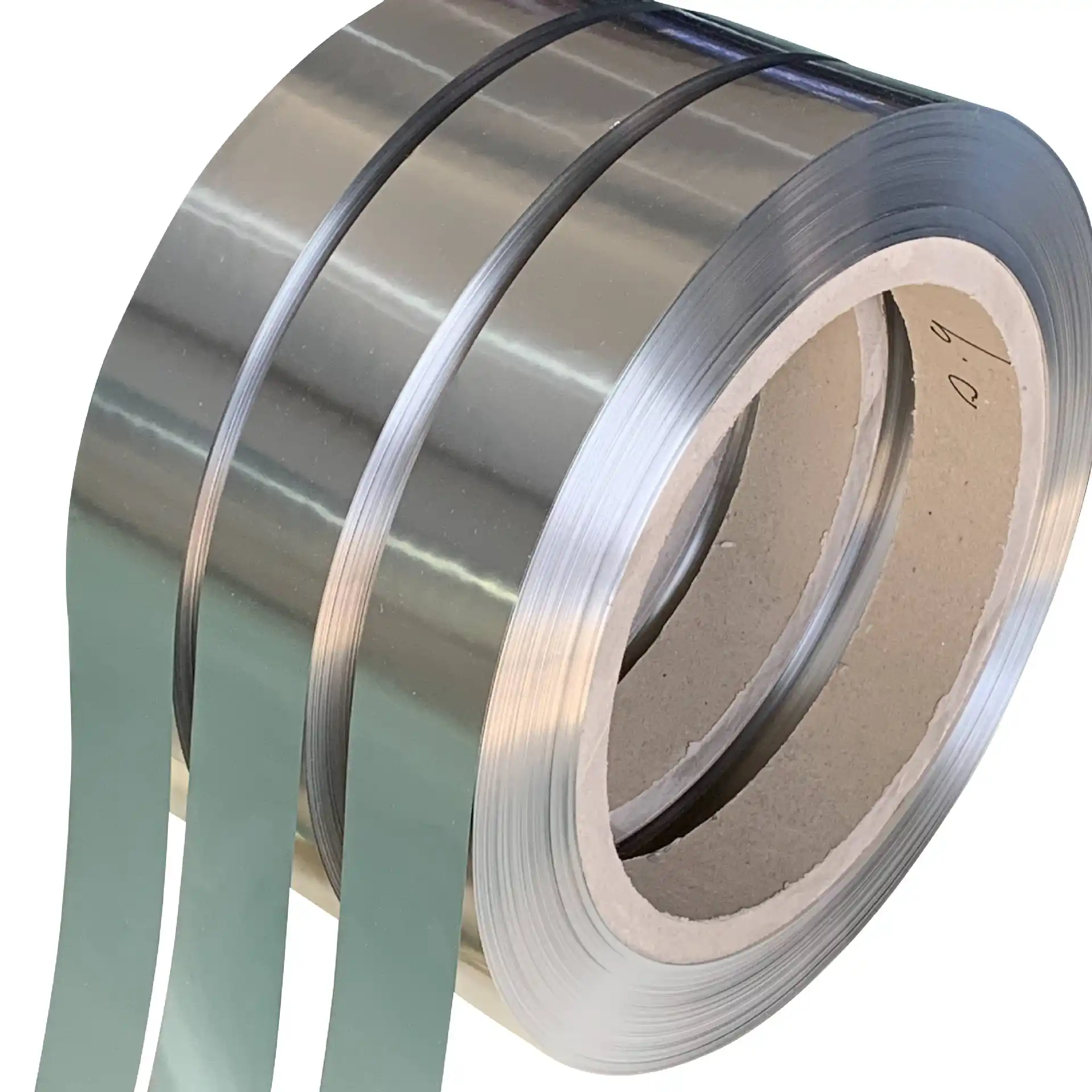
Stainless Steel
We deep draw both austenitic and ferritic stainless families, balancing corrosion resistance with drawability — a common choice for sensor housings, valve bodies and kitchen/hardware parts.
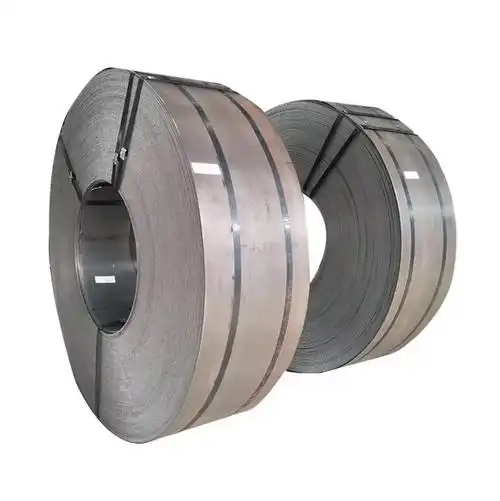
Carbon Steel
Carbon steel is the highest-volume family in deep drawing. We work across rolling methods, coatings and carbon levels to fit cost and performance requirements.
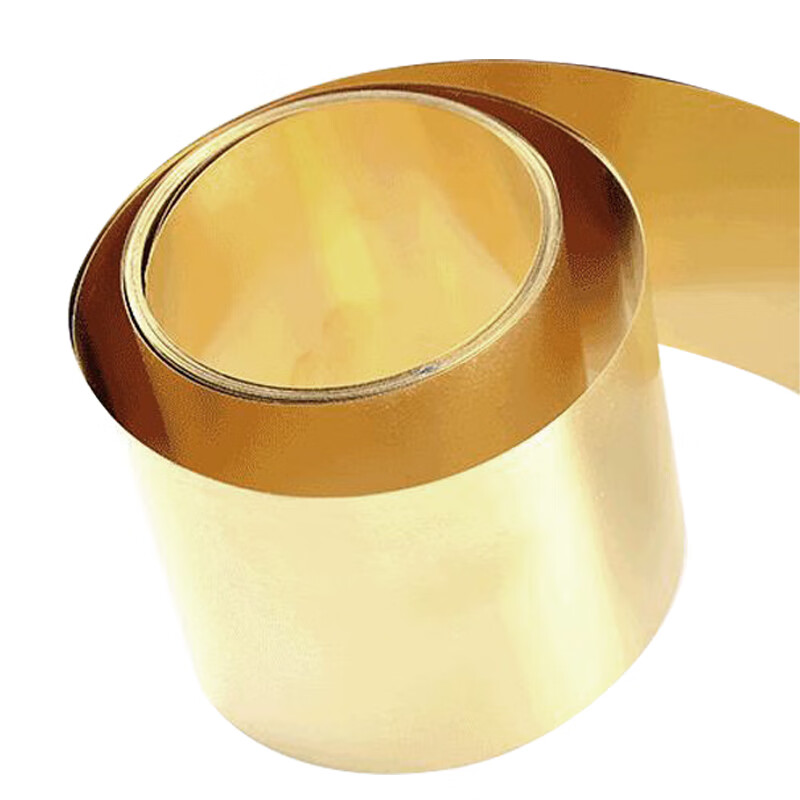
Brass
Brass combines good conductivity, solderability and deep-draw formability — used where conductive or sealing precision parts are required.
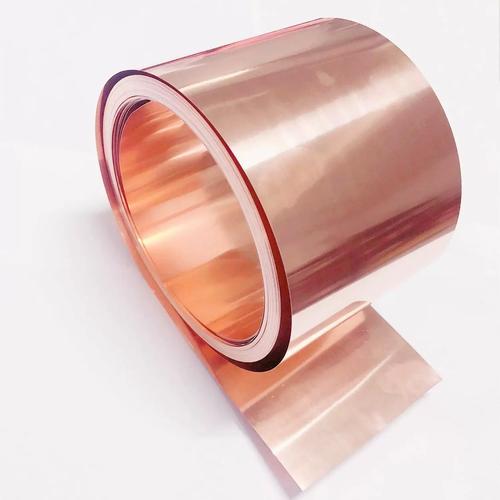
Copper
Copper offers excellent electrical and thermal conductivity with good deep-draw formability — a common choice for shielding and heat-dissipation structures.
Aluminum
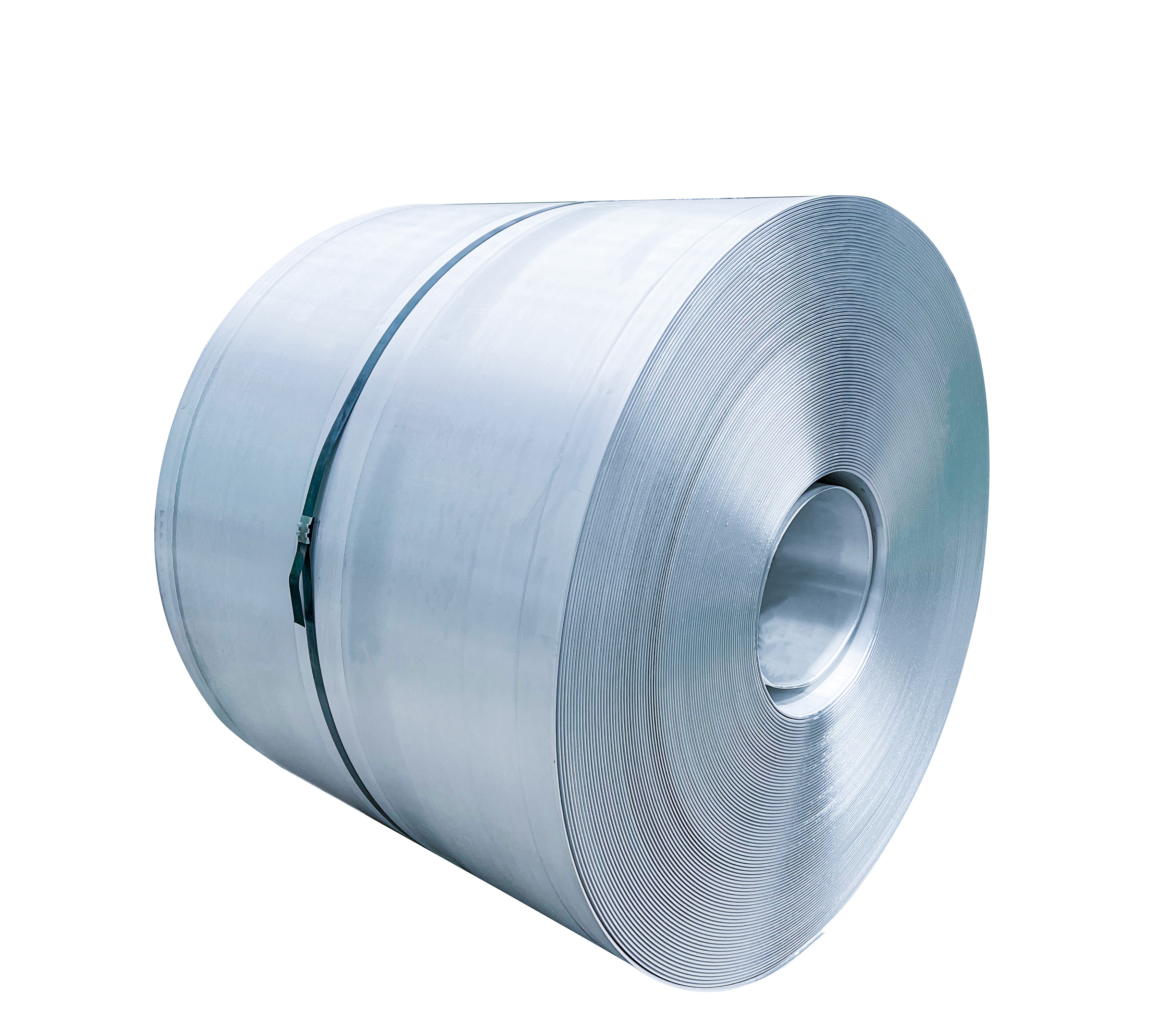
We cover pure aluminum through mid-strength alloys, balancing lightweight and formability for weight-sensitive structures and enclosures.
Special Alloys
Special-alloy work is quoted project by project, not from a standing stock capability — grade, formability, tooling and inspection are reviewed before any commitment.
Monel 400 — deep drawing & machining →
View Deep Drawing Capability →Sensor housings: automotive sensor housings · stainless steel for sensor housings · sensor housing design guide
Choose a material by requirement
Start from the property that decides the part, not from a grade name. Each row points at the material page that explains the forming behaviour, the grades and the substitution path.
| If you need… | Material | Grade | Why | Page |
|---|---|---|---|---|
| General corrosion resistance | Stainless steel | 304 / 1.4301 | The default grade; no chloride duty | Open → |
| Chlorides, road salt, coolant | Stainless steel | 316L / 1.4404 | Molybdenum resists pitting where 304 fails | Open → |
| The part must carry magnetic flux | Stainless steel | 430 / 1.4016 | Ferritic and magnetic, unlike 304 | Open → |
| Above roughly 700 °C | Stainless steel | 310S / 1.4845 | High nickel and chromium for oxidation resistance | Open → |
| Deepest draw at the lowest cost | Carbon steel | DC04 → DC05 | The EN 10130 drawing ladder | Open → |
| Weight matters | Aluminium | 5052 | About one third the density of steel | Open → |
| Thermal response and machined threads | Brass | H62 / H65 | Roughly ten times the thermal conductivity of stainless | Open → |
| Maximum electrical conductivity | Copper | C1100 / T2 | 99.9% copper or better | Open → |
| Seawater, HF acid, caustic | Monel 400 | N04400 | Nickel–copper alloy for reducing media | Open → |
| High temperature plus corrosion | Special alloys | Inconel 625 | Where 310S is not enough | Open → |
| Lightweight plus corrosion | Special alloys | Titanium Grade 2 | Half the weight of steel with a passive oxide film | Open → |
Grade and property guides
The engineering detail behind each family: grade ladders, chemistry, mechanical properties, magnetism, corrosion behaviour and heat treatment.
- Deep-drawing steel grades (DC01–DC06)
- Aluminium grades for deep drawing
- Stainless steel in the deep-drawing guide
- Stress–strain comparison (DC01 / DC04 / 304)
- Hardness of stainless steel
- Density of aluminium
- Brass vs bronze
- 304 vs 316L for sensor housings
- Brass vs stainless for coolant sensor housings
- Does stainless steel rust?
- Is stainless steel magnetic?
- What is annealing?
- Sheet metal gauge chart
- ISO 2768 general tolerances
Browse the full material catalogue — all 52 grades with process fit →
Soft magnetic housings need a different grade from a structural one — see the DC04 and pure iron guide.