What They Supply
What They Supply
- Barrel zinc-nickel alloy plating (Zn-Ni)
- Alkaline barrel zinc plating
- Rack zinc plating
- Aluminum anodizing
- Electrophoresis (e-coat)
- Gold / silver / nickel / tin plating
- Electroless nickel
- Stainless steel cleaning / passivation
Key Processes
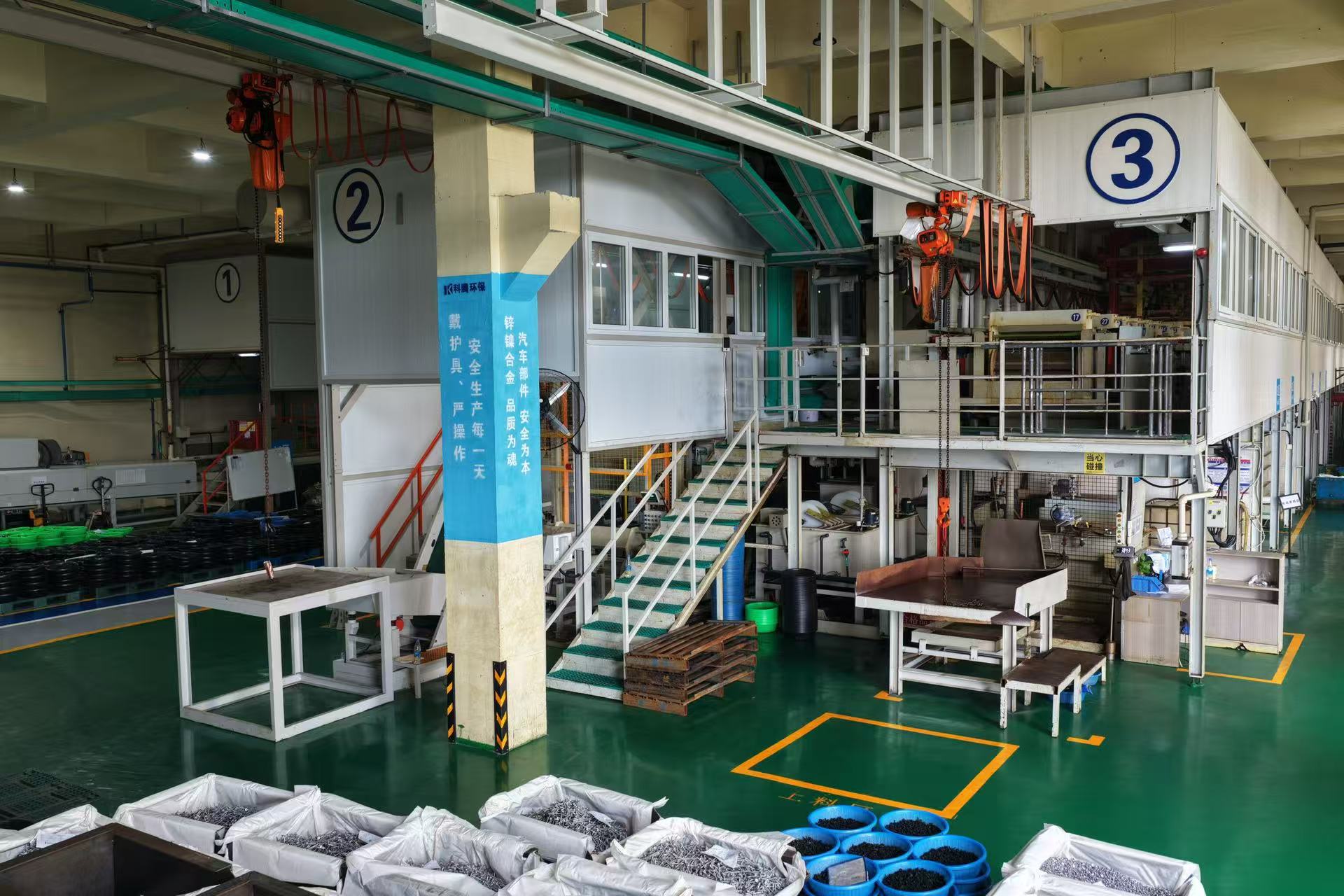
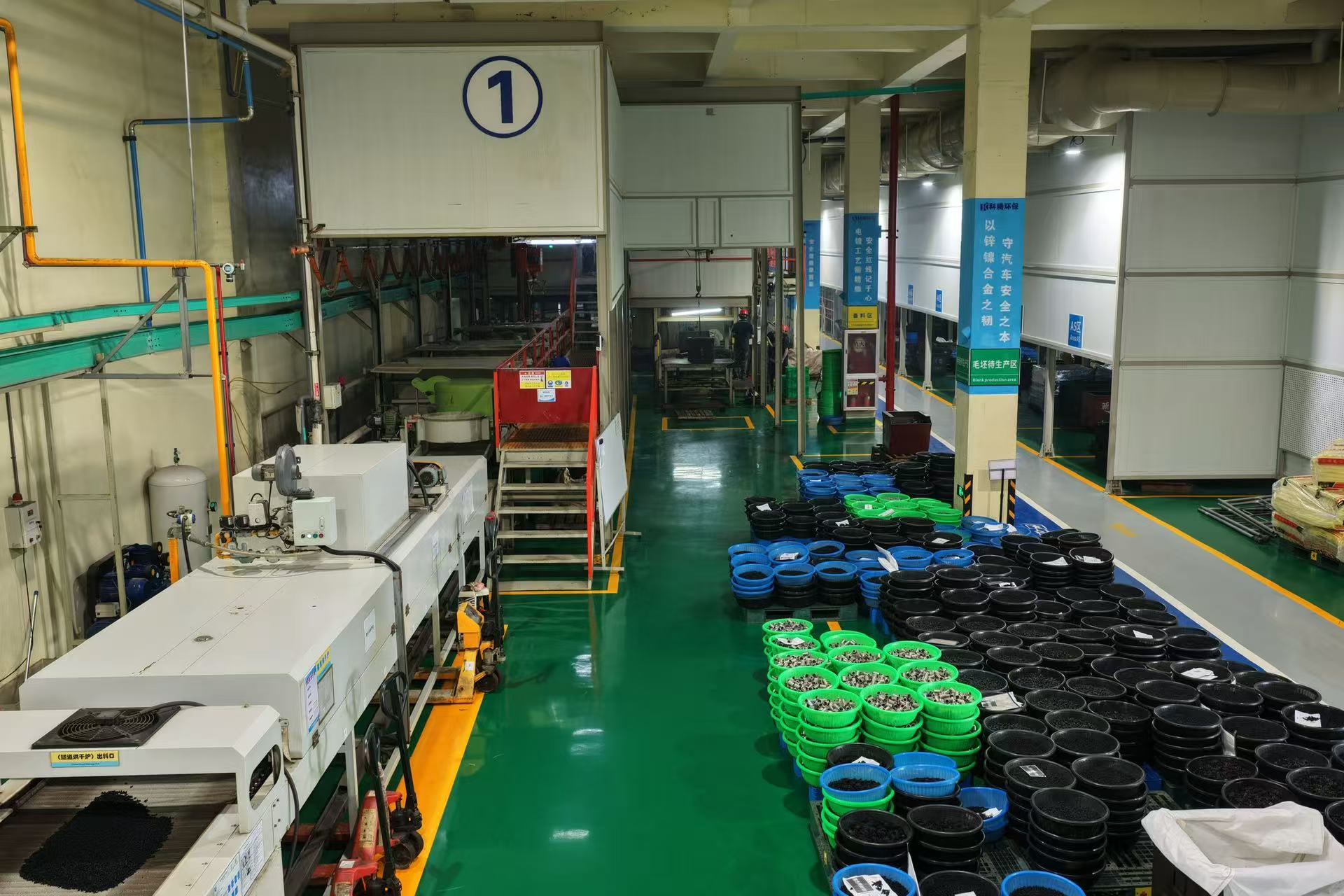
- Barrel plating production line
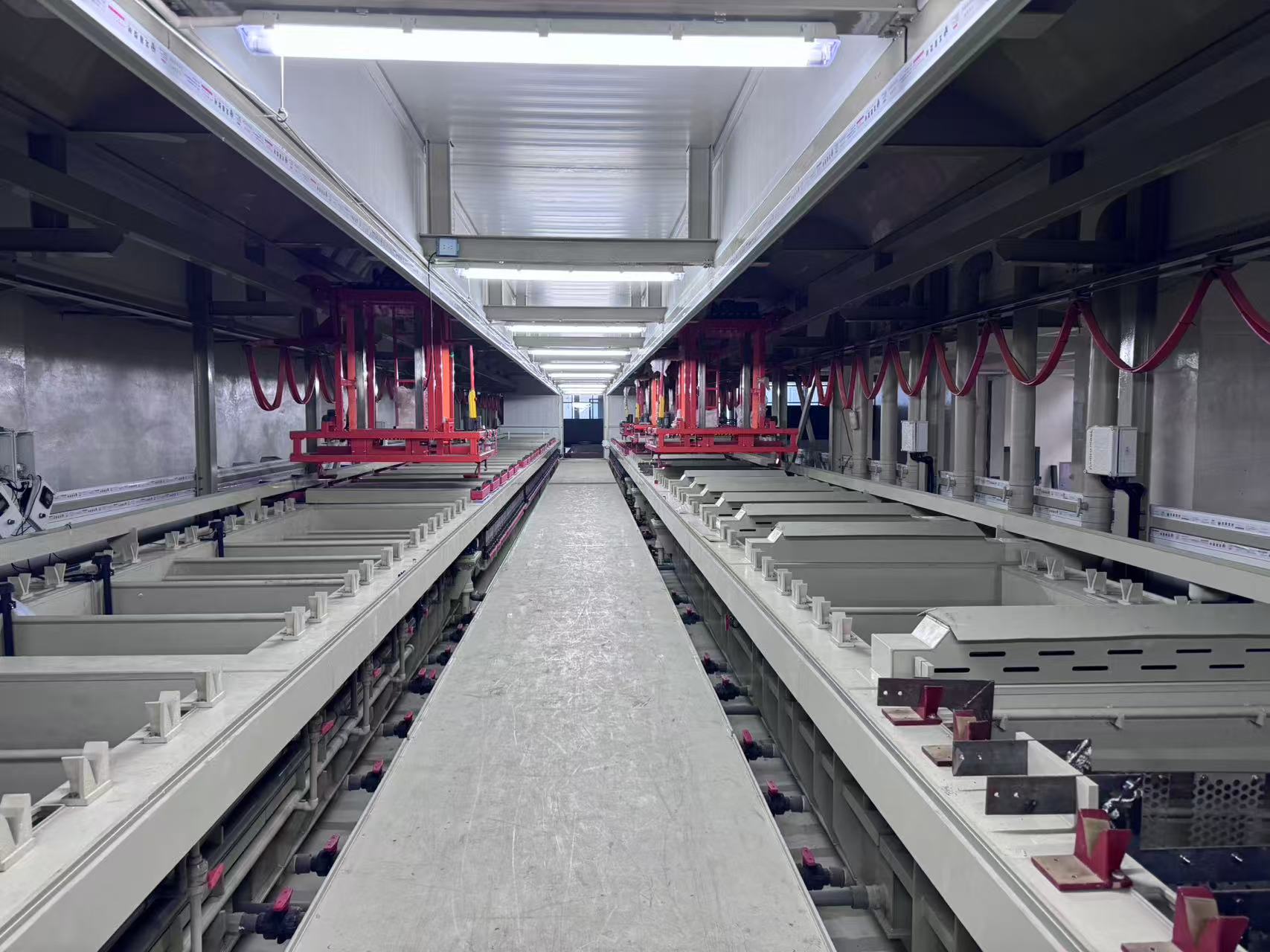
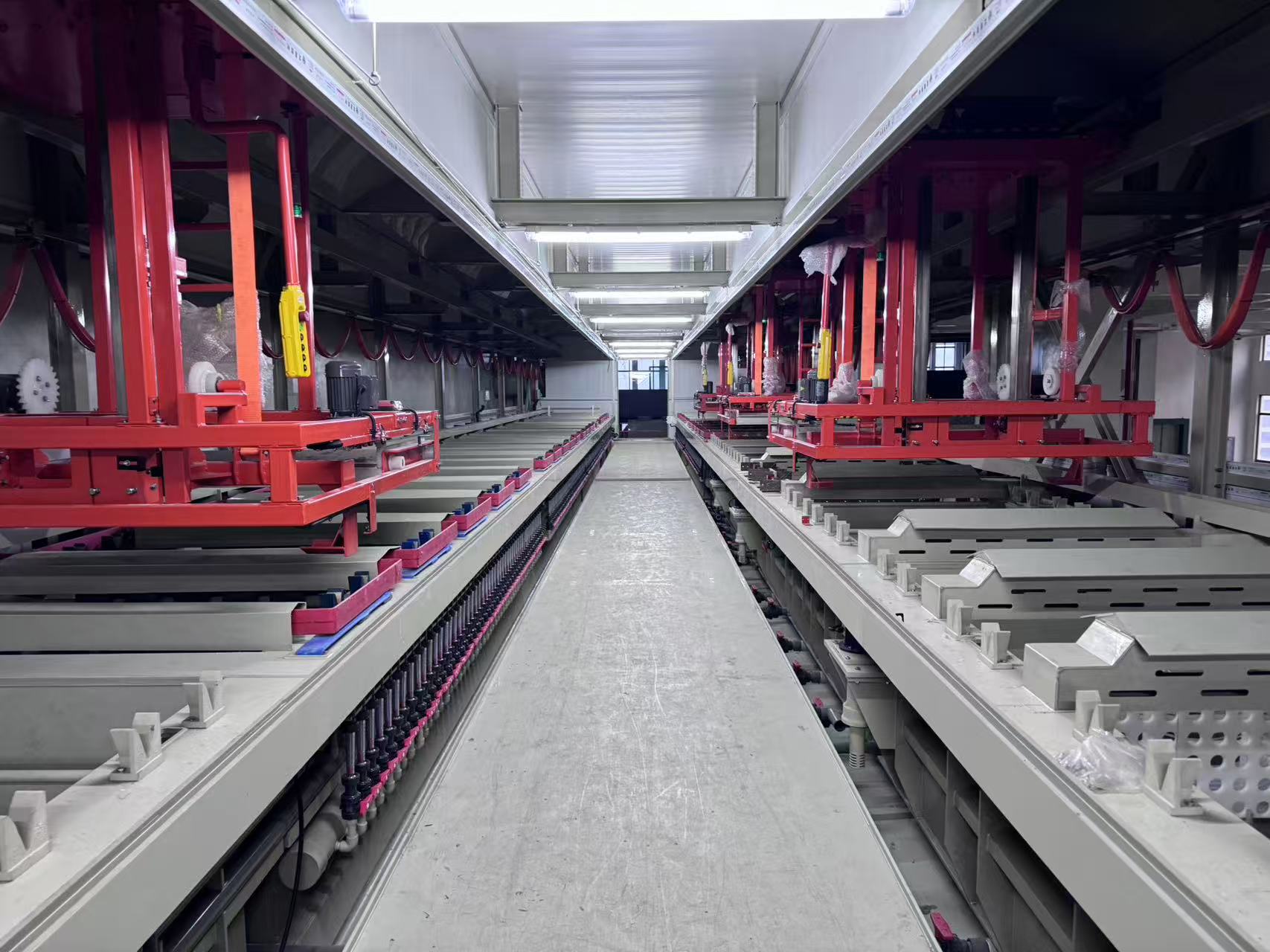
- Rack plating line
- Pre-treatment and degreasing
- Passivation (blue, black, rainbow, transparent)
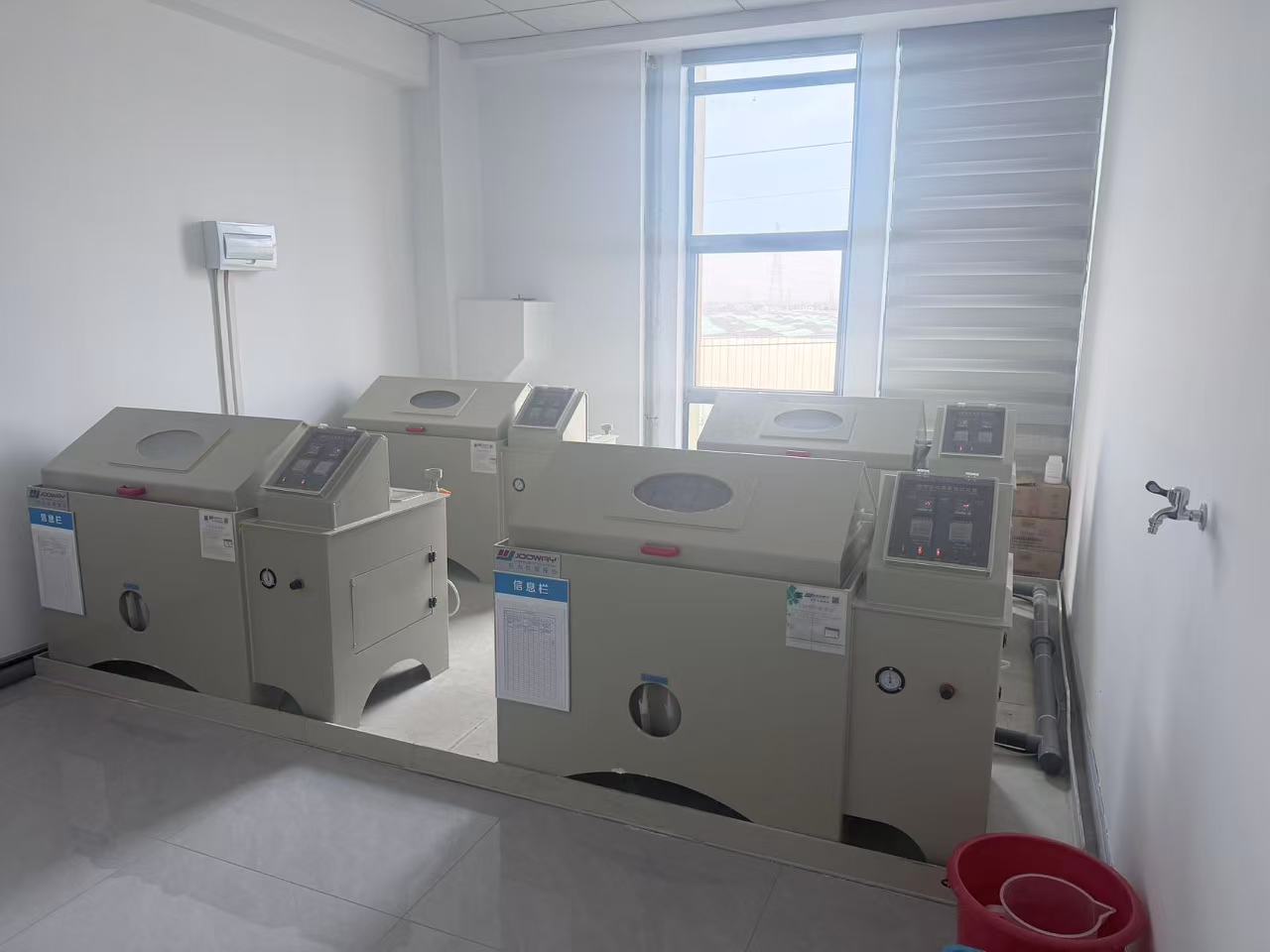
- Salt spray testing per agreed specification
Materials / Services
- Carbon steel components
- Stainless steel parts
- Aluminum parts
- Fasteners and hardware
- Stamped parts and brackets
Typical Use
- Solenoid valve housings and covers
- Sensor housing components
- Brackets and structural parts
- Fasteners, screws and nuts
- Bushings, sleeves and supporting pieces
Why We Work With This Partner
Fact-based notes on the cooperation — no inflated claims.
Cooperation Notes
- Established 2015 with about 3,600 m² plating plant and ~50 employees
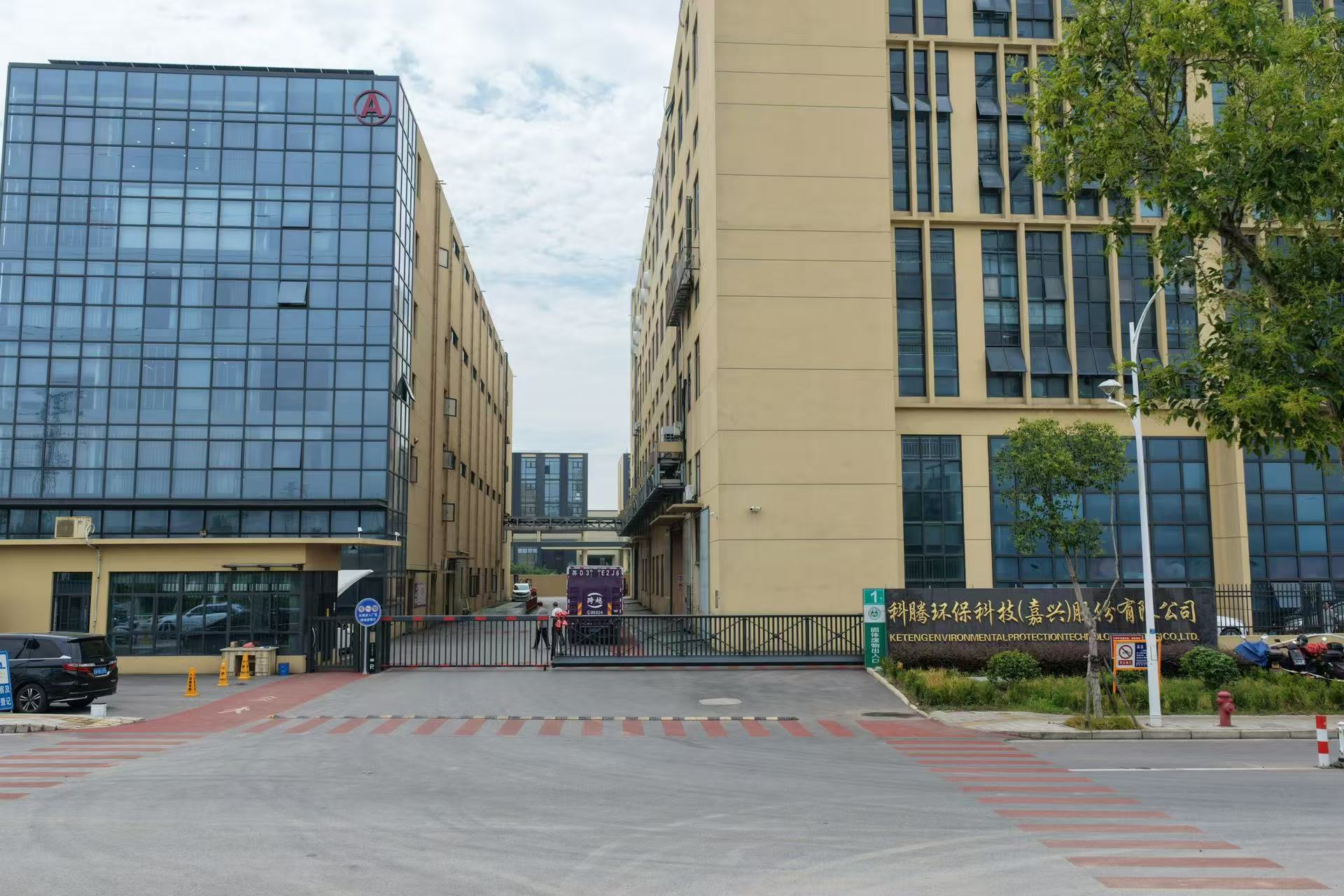
- Located in the Keteng Environmental plating park, Haiyan, Jiaxing (Xitangqiao Street, Zhongle Road 88, C1-3)
- Certified ISO 9001 and IATF 16949 quality management systems
- Serves automotive and electronics customers across Shanghai, Hangzhou, Jiangsu, Ningbo and Jiaxing
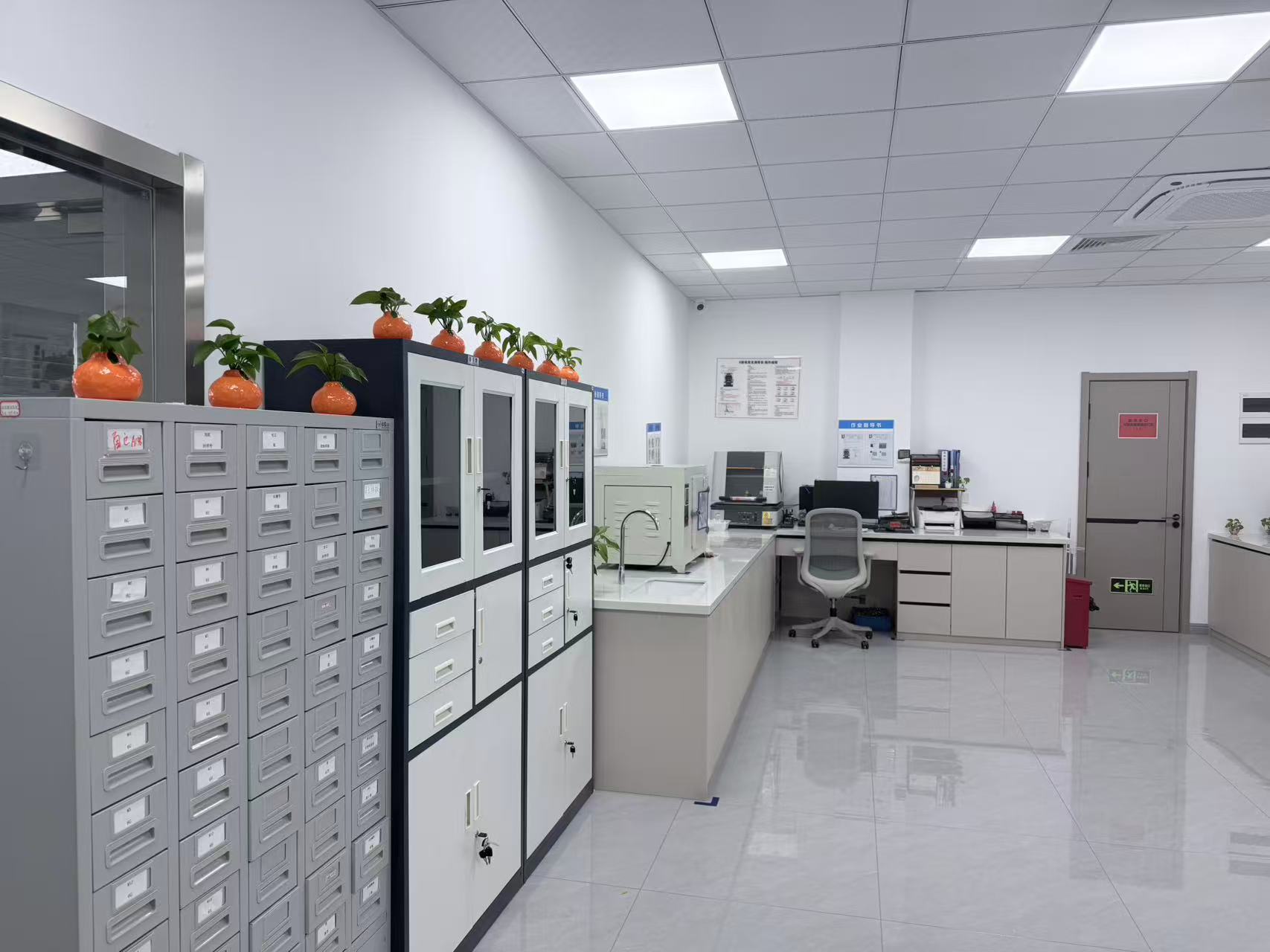
- Full laboratory with salt spray test chamber and process control
Capabilities & Quality
Equipment
- Barrel plating production line
- Rack plating line
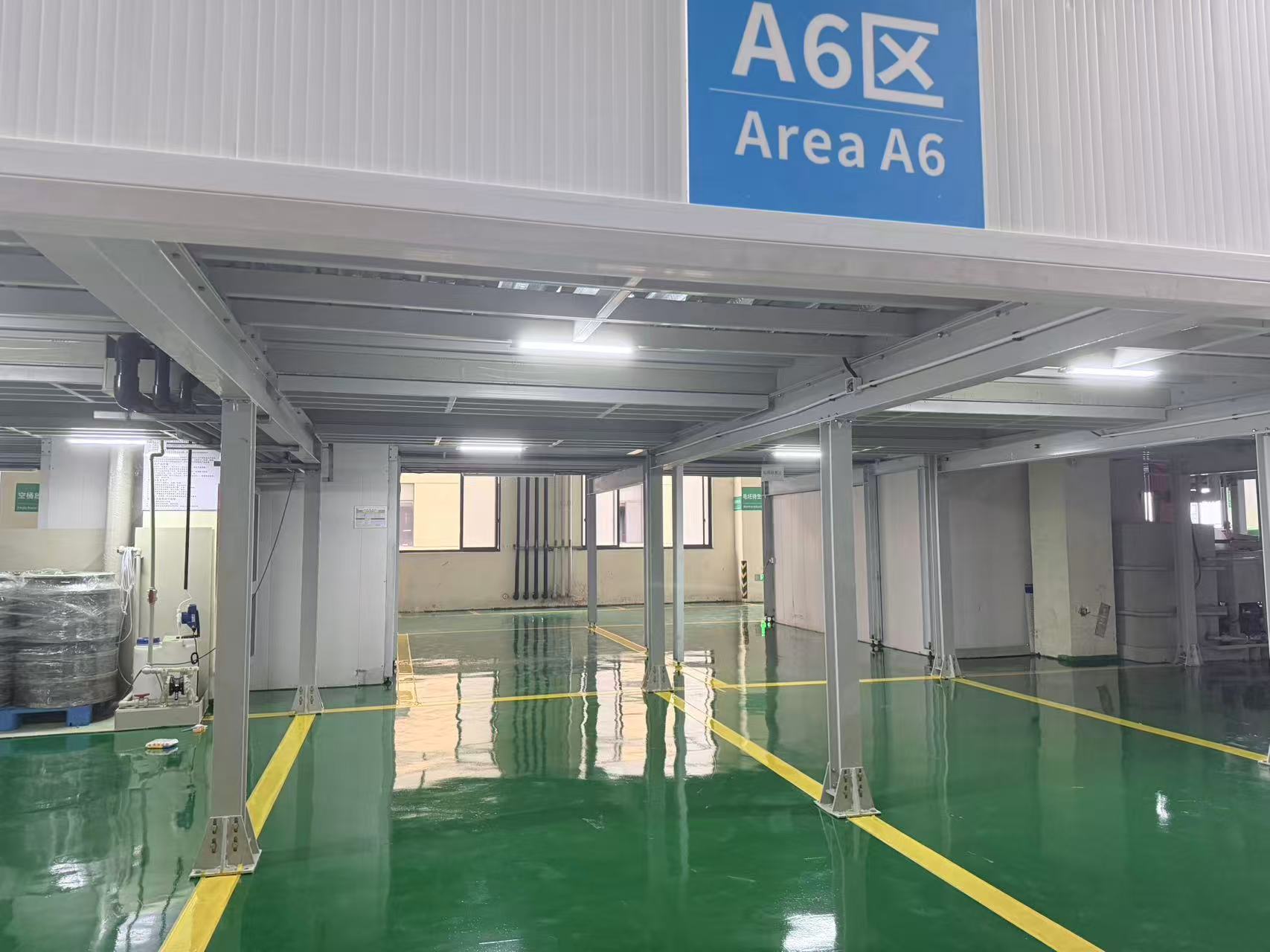
- Aluminum anodizing line
- Electrophoresis line
- Laboratory with salt spray test chamber
Standards
- ISO 9001
- IATF 16949
Quality Control
- Incoming material checks
- Batch plating records
- Salt spray testing per agreed specification
- Coating thickness verification
Facility & Plated Products
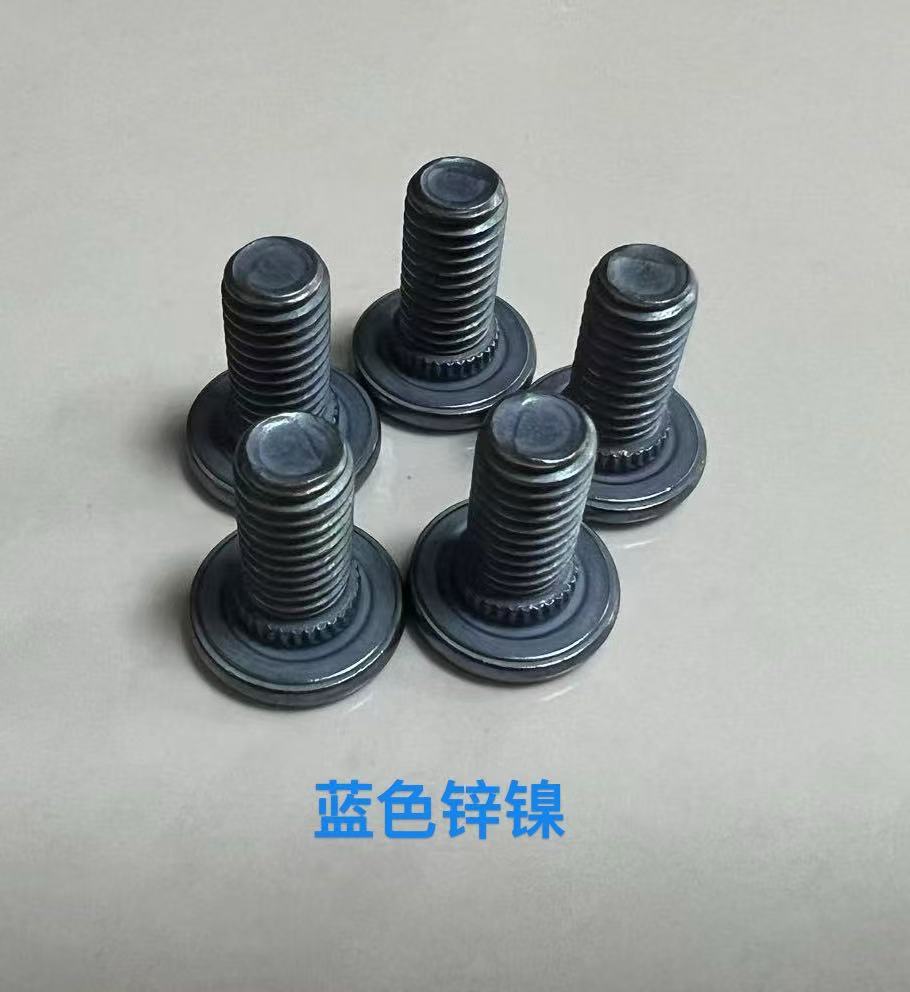
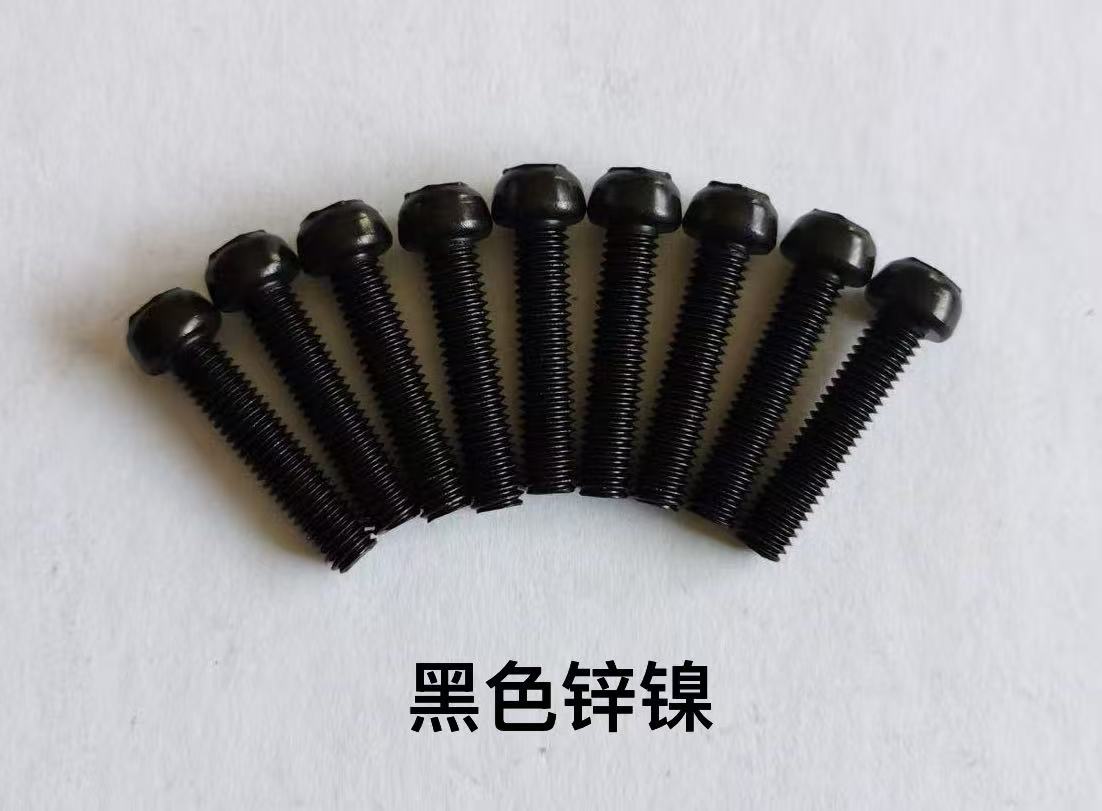
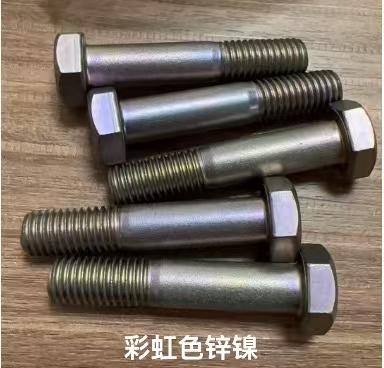
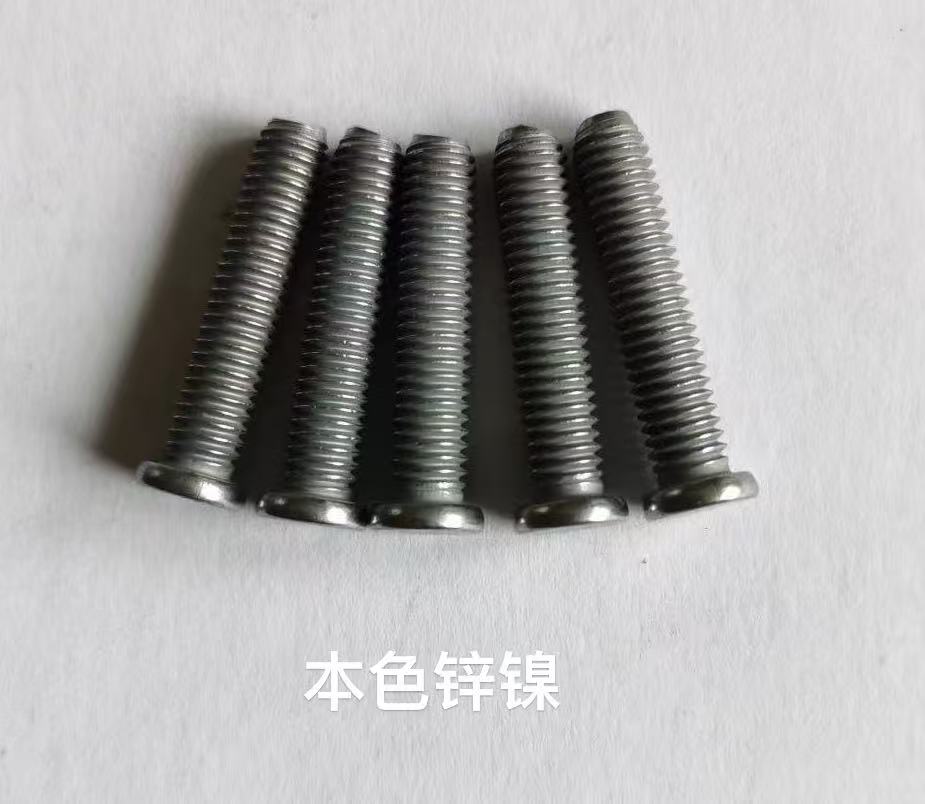
Photos from the plating plant and representative zinc-nickel plated parts.
Zinc-Nickel Plating FAQ
Direct answers on process, corrosion performance and coordination with Balford.
Zinc-nickel alloy plating (Zn-Ni, typically 10–16% nickel) deposits a zinc-nickel coating that offers significantly better corrosion resistance than conventional zinc plating, with stable friction behavior and good paint adhesion. It is commonly specified for automotive and fastener applications where salt-spray performance and coating consistency matter.
Corrosion performance is verified per the agreed test method and specification (e.g. neutral salt spray hours) on the actual part geometry. Results depend on coating thickness, nickel content, passivation type and substrate condition — the final requirement is confirmed against your drawing and control plan.
Barrel plating suits small and medium-sized components such as fasteners, screws, nuts, bushings, sleeves, brackets and stamped parts that can be tumbled safely. Larger or geometry-sensitive parts are evaluated for rack plating instead.
Yes. Passivation options include black, blue, rainbow (yellow) and transparent finishes, selected per appearance and corrosion requirements. The passivation type is confirmed against the drawing and functional specification.
The plant is certified to ISO 9001 and IATF 16949 quality management systems, and can support customer-specific documentation (PPAP elements, IMDS, RoHS-related records) when part of the project requirements.
Balford reviews the plating requirement together with the part drawing before tooling — coating thickness, masking needs, hydrogen embrittlement risk and dimensional effects are considered in the process and inspection plan. Plating is then coordinated with the approved production schedule.
Related Suppliers
Other partners in the same category.
Zhuji Huaxin Electroplating
Ciwu Town, Zhuji, Zhejiang, ChinaZhuji Huaxin Electroplating Co., Ltd. — metal surface treatment and pickling plant in Ciwu Town, Zhuji, on the same industrial patch as Balford. Zinc plating specified to high salt-spray requirements on an automatic barrel line.
View Supplier → PAINTING POWDER COATINGPainting / Powder Coating Partner
Jiangsu, ChinaLiquid painting and electrostatic powder coating for appearance, protection and functional finishes.
View Supplier →Related Balford Capabilities
Explore related capabilities, materials and support resources.
Discuss Your Requirement
Bring your project to Balford — our engineering team reviews drawings, tolerances and process requirements before quoting.