Metal Housing for Excavator Proportional Valve
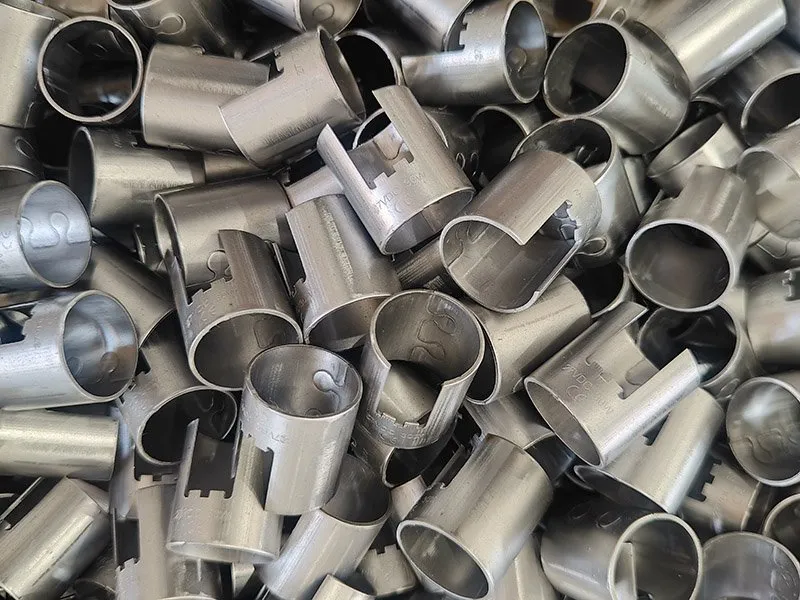
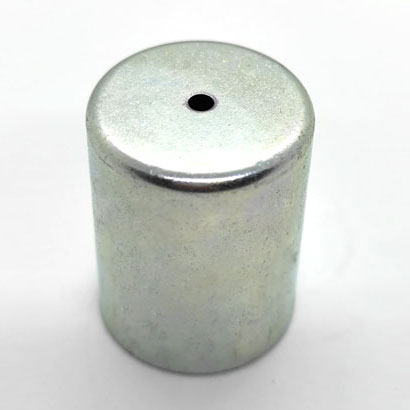
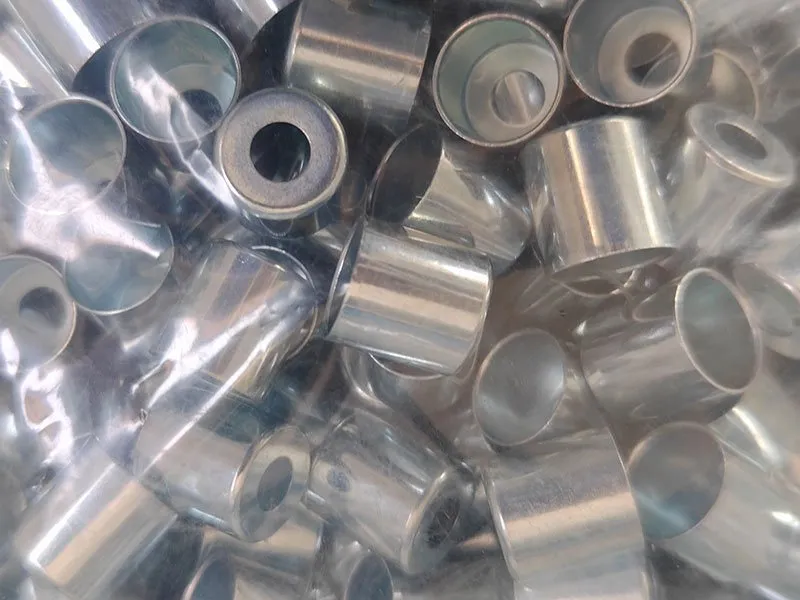
What is this part? Metal Housing for Excavator Proportional Valve is a Solenoid Housing by Balford. Production process: Progressive Die Stamping → CNC Turning → Deburring → Surface Treatment. Finish: Zinc-nickel plating, applied after Vacuum annealing (coercivity to spec). Key requirements: Free of deep draw lines, scratches or surface embossing; coercivity held to spec; corrosion resistance.
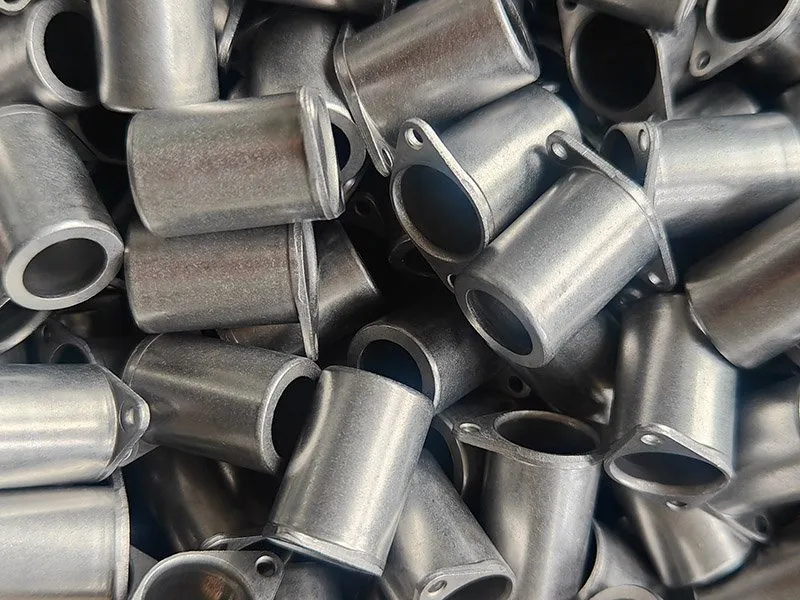
Progressive Die Stamping
| Product Name | Metal Housing for Excavator Proportional Valve |
|---|---|
| Category | Solenoid Housing |
| Process Flow | Progressive Die Stamping→CNC Turning→Deburring→Surface Treatment |
| Surface Treatment | Zinc-nickel plating |
| Heat Treatment | Vacuum annealing (coercivity to spec) |
| Key requirements | Free of deep draw lines, scratches or surface embossing; coercivity held to spec; corrosion resistance |
Case Review
The housing must be free of deep draw lines, scratches, or surface embossing. We vacuum anneal to bring coercivity down to spec, then apply zinc-nickel plating for corrosion resistance. The original housing was designed and built by Thomas Group . Balford uses progressive die stamping to support China Hengli Hydraulics and all aftermarket replicas. We're thoroughly familiar with the forced-thinning deep draw sequence in a continuous progressive die.
What this case is
The housing must be free of deep draw lines, scratches, or surface embossing. We vacuum anneal to bring coercivity down to spec, then apply zinc-nickel plating for corrosion resistance. The original housing was designed and built by Thomas Group . Balford uses progressive die stamping to support China Hengli Hydraulics and all aftermarket replicas. We're thoroughly familiar with the forced-thinning deep draw sequence in a continuous progressive die.
At a glance
| Field | Published value |
|---|---|
| Application | Solenoid housing |
| Industry | Solenoid valves |
| Surface treatment | Zinc-nickel plating |
| Heat treatment | Vacuum annealing (coercivity to spec) |
| Manufacturing route | Progressive die stamping → Cnc turning → Deburring → Surface treatment |
| Key requirements | Free of deep draw lines, scratches or surface embossing; coercivity held to spec; corrosion resistance |
Manufacturing route
The published sequence for this part:
- Progressive die stamping
- Cnc turning
- Deburring
- Surface treatment
What decides the engineering
The route starts with progressive die stamping, which suits a part formed in the strip: coil feeding, piercing, forming and cut-off inside one tool. Strip layout and die stations are the engineering content of the job, and the annual volume decides whether a progressive tool is the right answer.
Two things are settled before tooling: which dimensions actually matter to the assembly - a sealing face, a bearing seat, a coaxial diameter - and what tolerance the process can hold at those features. Everything else follows the general tolerance, which keeps tooling effort where it buys function.
Surface treatment sits at the end of the route. Cleaning and deburring are done in house; plating, phosphating, passivation, electropolishing and coating are placed with qualified external processors and recorded on the inspection plan, and batch heat treatment is handled the same way when the drawing calls for it.
Documentation and first article
A part like this is released with a first article inspection report against the confirmed drawing and a PPAP-aligned package at the level the customer's quality department asks for. Material certificates are kept per heat and IMDS entries are filed on request. The quality system is ISO 9001:2015 with process controls aligned to IATF 16949 requirements.