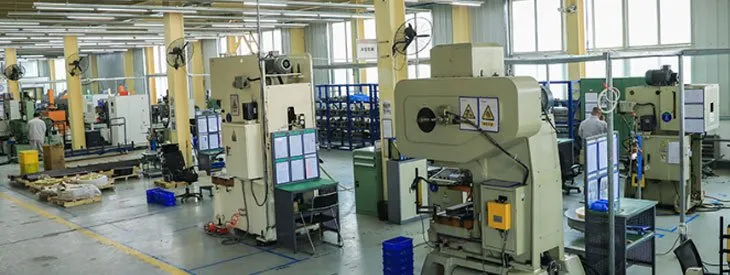
Precision stamping is a core process in modern manufacturing, and its role is hard to overstate. You'll find precision stamped parts everywhere—from consumer electronics to complex automotive assemblies—and they're critical to how those products perform.
So what are the key technical considerations when producing these parts?
The first thing to nail down is a sound process plan.
A process plan is the roadmap for production. It has to be economically viable, efficient, and repeatable. That means defining the stamping sequence, selecting the right press and tooling, specifying clamping and inspection methods, setting machining allowances, and estimating tool life and cycle times. Every step needs to be calculated and documented to hold the part to spec.
Next, you need to dig into the machining process itself.
Start by reviewing the engineering drawings—make sure they're complete and accurate, and verify that the tolerances, consistency, and technical requirements are achievable with current production capability. Then look at material selection, since that directly drives both cost and formability. You also need to evaluate the part's design for manufacturability—can the geometry be produced economically and without excessive tooling complexity?
In practice, you'll run into issues like splitting during stamping or common bending defects. These usually get resolved case by case, but the fix typically comes down to material choice, die design, or press setup. For example, to prevent fracture in a stamping operation, you might switch to a more ductile material or adjust the die radius and clearances.
Surface finishing is another critical step for precision stamped parts.
Take nickel plating, for instance. It improves corrosion resistance and gives the part a cleaner appearance, but you have to control bath chemistry, temperature, and plating thickness carefully to get consistent results.
It's also worth noting that precision stamping isn't just a single operation. It involves upfront design, secondary operations, surface treatment, and packaging. That's why it pays to work with a supplier who can handle the full scope. A one-stop shop not only delivers quality parts but also provides engineering support and troubleshooting through the entire production run.
The key technologies in precision stamping cover process planning, detailed analysis of the manufacturing method, resolving real-world production issues, and solid post-processing and quality control. Get these right, and you'll consistently produce precision stamped parts that meet performance and quality requirements.