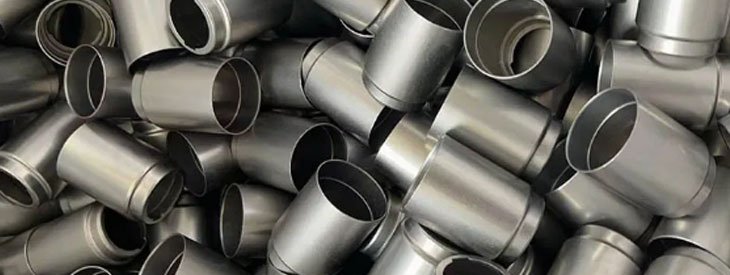
In today's automotive market, air suspension systems are gaining traction for their ride comfort and adjustability. The solenoid valve housing is a critical component in that system—its quality directly drives the performance and reliability of the whole air suspension setup.
Why the solenoid valve housing matters
The solenoid valve housing isn't just a protective shell; it's the structural core that manages airflow within the air suspension system. It has to keep the solenoid valve operating reliably across a range of conditions—temperature swings, humidity, and varying pressure. A well-made housing gives the valve a stable environment, which translates to precise control and consistent system behavior.
Key quality indicators
Material strength
A quality solenoid valve housing needs high-strength material that can handle the vibration and shock loads from normal vehicle operation. For example, high-strength aluminum alloys or stainless steels with good corrosion resistance and mechanical properties ensure the housing won't deform or crack over its service life.
Seal integrity
Leak-tightness is arguably the most critical quality attribute for a solenoid valve housing. It has to prevent air leakage to maintain stable system pressure. Achieving that requires precision machining and quality sealing elements—like rubber O-rings or applied sealants—to hold the seal under all operating conditions.
Precision and dimensional stability
The housing's dimensional accuracy and stability directly affect how the solenoid valve fits and functions. High-precision machining holds the tolerances and surface finish needed for proper valve installation and operation. Equally important, the housing must resist dimensional drift under thermal and pressure cycling, so the valve keeps its accuracy and reliability over time.
How manufacturing processes affect quality
Casting
Casting is a common route for producing these housings. With sound process design and strict controls, you can get a housing with the required strength and sealing capability. Die casting, for instance, delivers good dimensional accuracy and surface quality, which helps overall performance.
Machining
Machining is where you lock in the final tolerances and surface finish. Using modern CNC equipment and quality tooling ensures the housing meets spec on critical dimensions and roughness. A well-planned machining sequence also improves throughput and keeps costs in check.
Surface treatment
Surface finishing improves corrosion and wear resistance, which extends the housing's service life. Typical options include anodizing, plating, and powder coating. Selecting the right finish and material combination enhances both durability and functional performance.
Quality testing and control
To guarantee housing quality, you need a solid testing and inspection regime. Common checks include visual inspection, dimensional measurement, leak testing, and material verification. A robust quality management system, with controls at every production step, is what actually ensures consistent, reliable parts.
Future development trends
As the automotive industry evolves, air suspension solenoid valve housings are seeing steady gains in quality. Expect lighter, higher-strength, more corrosion-resistant shells with better sealing and tighter tolerances. With smart tech integration, these housings will increasingly carry sensors and control modules for more precise actuation and real-time monitoring.
ules to achieve more accurate control and monitoring.
Bottom line: the solenoid valve housing is a critical factor in air suspension system performance and reliability. By pushing material strength, sealing integrity, dimensional stability, and manufacturing process improvements—plus tighter QC and smart tech adoption—we can keep raising housing quality and support the broader automotive sector.